







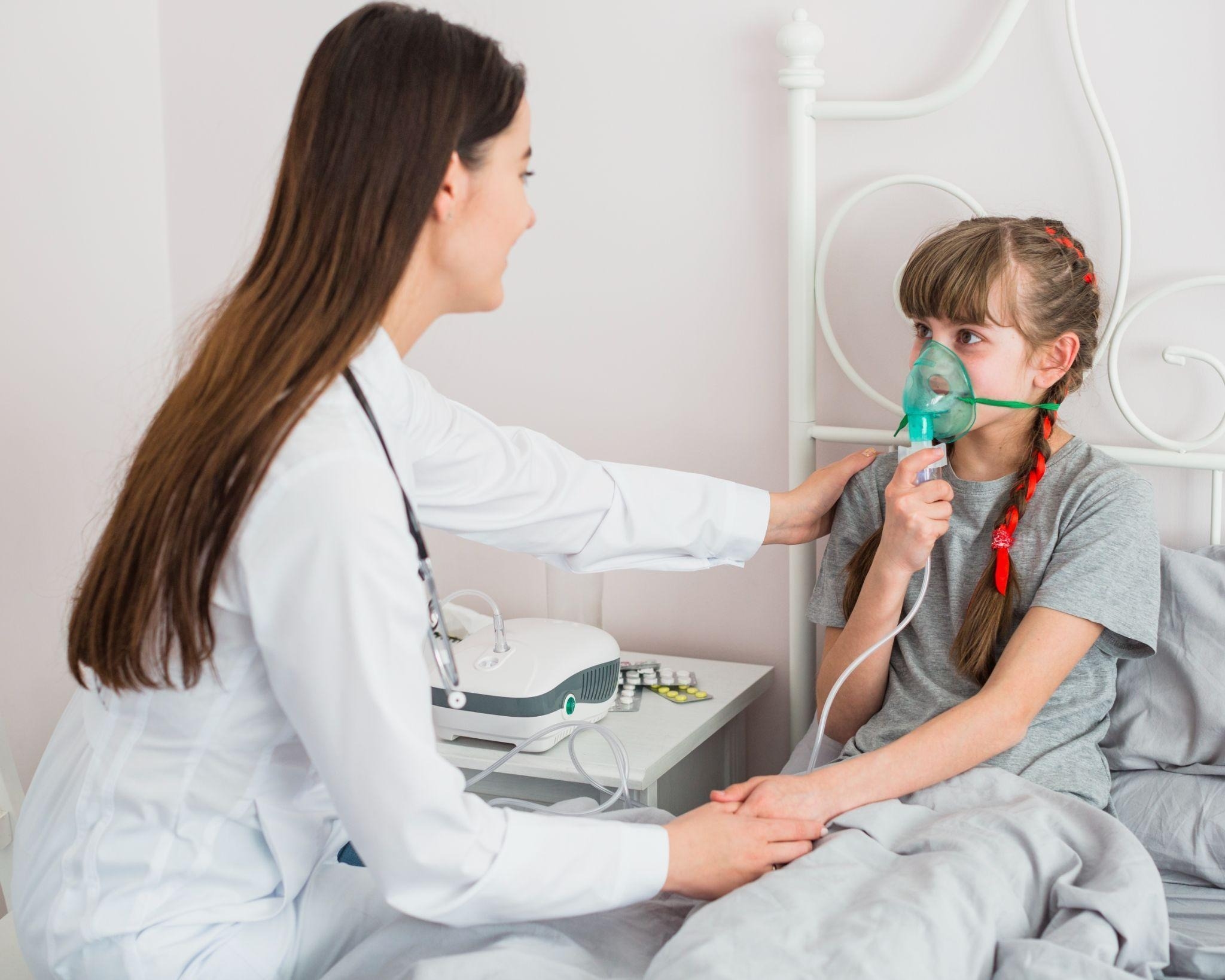


When a child has persistent respiratory symptoms that go beyond what a general paediatrician can manage, a paediatric pulmonologist is the specialist most equipped to help. These doctors focus exclusively on lung and breathing conditions in infants, children, and adolescents, bringing a depth of expertise that makes a real difference when symptoms are complex, recurrent, or unresponsive to standard treatment.
What Does a Paediatric Pulmonologist Do?
A paediatric pulmonologist specialises in diagnosing and managing diseases that affect the airways and lungs in children. Because children’s respiratory systems are still developing, they respond differently to illness and treatment compared to adults. A specialist trained specifically in paediatric respiratory medicine understands these differences and applies that knowledge to both diagnosis and care.
Their work covers a wide range of conditions, from common problems like difficult-to-control asthma to rare and complex disorders such as cystic fibrosis, interstitial lung disease, and chronic lung disease in premature infants.
Conditions Treated by a Pediatric Pulmonologist
- Asthma: One of the most common reasons for referral. When asthma is poorly controlled, triggered frequently, or requires high doses of medication, a paediatric pulmonologist can review the diagnosis, adjust the management plan, and investigate whether there are additional contributing factors.
- Recurrent Wheezing Or Chest Infections: Children who have repeated episodes of bronchitis, pneumonia, or wheezing need assessment to determine whether an underlying structural or immune issue is involved.
- Chronic Cough: A cough lasting more than four weeks in a child warrants investigation. A paediatric pulmonologist can identify whether the cause is respiratory, related to reflux, post-nasal drip, or something less common.
- Cystic Fibrosis: A genetic condition affecting the lungs and digestive system, requiring lifelong specialist management from a multidisciplinary team.
- Obstructive Sleep Apnoea: Children who snore heavily, have interrupted sleep, or show daytime tiredness may have airway obstruction that needs evaluation.
- Bronchopulmonary Dysplasia: Premature infants who require prolonged respiratory support can develop chronic lung disease that needs long-term specialist follow-up.
- Interstitial Lung Disease In Children: A group of rare conditions that affect the lung tissue itself rather than the airways, requiring specialist diagnosis and management.
When Should You See a Pediatric Pulmonologist?
Parents are often unsure when a referral to a paediatric pulmonologist is warranted. The following situations are good indicators:
- Asthma that is not well-controlled despite appropriate medication
- Three or more chest infections or episodes of wheezing within a year
- A persistent cough that has lasted more than four weeks
- Breathlessness during ordinary activities or exercise
- A child who wakes frequently at night due to breathing difficulties
- A new diagnosis of a chronic respiratory condition, such as cystic fibrosis
- Unexplained poor weight gain or growth in a child with recurring chest symptoms
What to Expect at the First Appointment
A first visit to a paediatric pulmonologist typically starts with a thorough review of the child’s symptom history, previous diagnoses, and any treatments tried so far. Parents are encouraged to bring records of past investigations, medications, and a description of how symptoms present at home.
Depending on age and symptoms, the specialist may recommend lung function tests such as spirometry, which measures how well the child can breathe in and out. Younger children who cannot cooperate with spirometry may have other assessments, such as chest X-rays, CT scans, or allergy testing arranged instead. Centres like Rainbow Children’s Hospitals have dedicated paediatric respiratory units where all these investigations and specialist consultations happen under one roof, making the process far easier for families.
Conclusion
A paediatric pulmonologist is a critical resource for children with breathing problems that go beyond routine illness. Early specialist involvement often prevents complications, reduces time spent on ineffective treatments, and gives families a clear diagnosis and management plan. If your child has ongoing respiratory symptoms that are not improving, speaking to your paediatrician about a referral to a pediatric pulmonologist is the right next step.
Disclaimer
This content is for general informational purposes only and does not substitute professional medical advice. Always consult a qualified paediatrician or pediatric pulmonologist for concerns about your child’s respiratory health.