







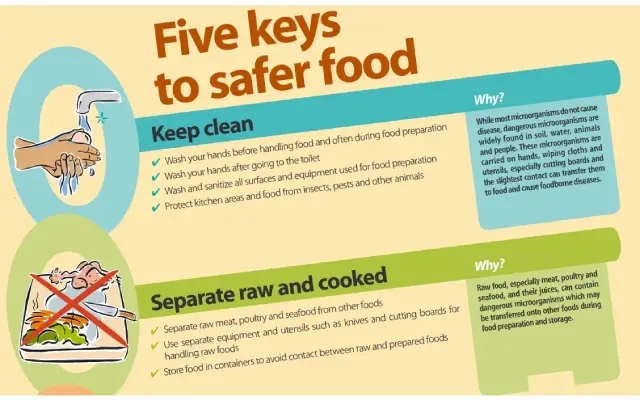


Foodborne outbreaks have remained a critical health issue globally, with both bacterial and viral infections placing significant strain on healthcare systems. According to the recent Morbidity and Mortality Weekly Report by the US Centers for Disease Control and Prevention (CDC), many foodborne illnesses are caused by food contamination from animals or environmental sources before reaching the final preparation stage. However, viral outbreaks often stem from infected food workers.
The March 2025 CDC report highlights that measures taken during the COVID-19 pandemic, such as increased glove usage, enhanced cleaning, and dining area closures, may have led to a reduction in norovirus cases, which are typically spread by ill food workers. The CDC emphasizes that to minimize contamination by sick employees, restaurant managers should implement clear policies on worker illness management and develop contingency plans for staffing during exclusions.
The report stresses that previous studies have shown that adherence to worker exclusion policies and proper hand hygiene are the most effective ways to reduce illness in both workers and consumers. However, challenges such as staffing shortages and the fear of job loss can make it difficult for employees to take time off when sick. To address this, the CDC suggests restaurant managers focus on creating policies that address these concerns and ensure the well-being of both staff and customers.
Key hygiene practices include:
- Handwashing: Thoroughly wash hands before handling food.
- Kitchen Hygiene: Regularly clean surfaces, utensils, and storage areas to prevent cross-contamination.
- Safe Cooking: Ensure that meats, seafood, and eggs are cooked to safe internal temperatures using a food thermometer.
- Proper Storage: Refrigerate perishable items at or below 4°C (40°F) and avoid leaving food at room temperature for long periods.
- Separation of Raw and Ready-to-Eat Foods: Keep raw meats away from ready-to-eat items and use separate cutting boards for vegetables and proteins.
- Reputable Suppliers: Purchase food from trusted suppliers and inspect items for freshness before use.
By following these preventative measures, individuals and food businesses can significantly reduce the risks of foodborne outbreaks and protect public health.
Read also: