







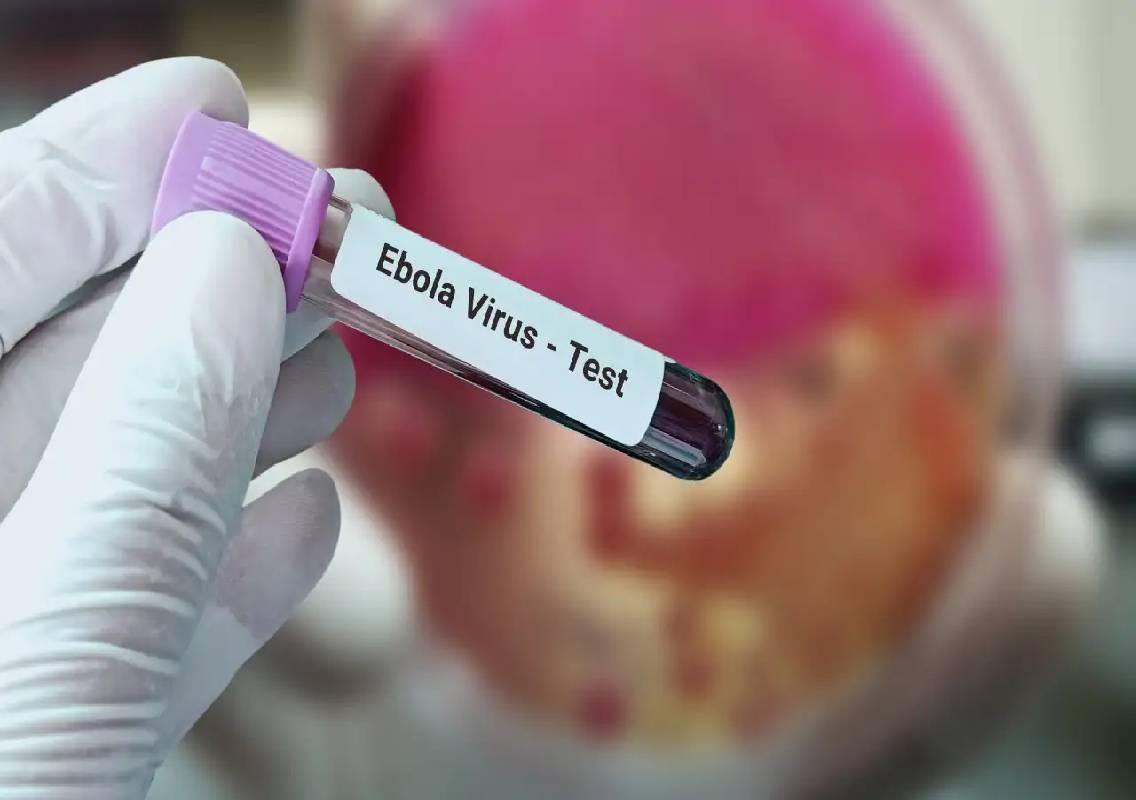


Jaipur: Health authorities in Rajasthan have placed a woman from Uganda under strict isolation after she arrived in Jaipur displaying symptoms consistent with Ebola virus disease. The case has triggered precautionary measures and heightened surveillance, although officials have stressed that no Ebola infection has been confirmed so far.
The woman reportedly arrived in Jaipur from Sharjah on Friday aboard an Air Arabia flight and was identified during routine health screening at the airport. Following the detection of symptoms associated with Ebola, she was immediately shifted to a dedicated isolation facility at hospital for further evaluation.
Patient under observation as tests continue
According to hospital authorities, the woman is currently being monitored under established infectious disease protocols. Doctors have clarified that the patient has not been diagnosed with Ebola and that laboratory confirmation is still awaited.
Health officials said samples have been collected and sent for specialised testing. Until the results are available, authorities are treating the case as a suspected infection and following all necessary containment procedures.
Medical teams are also assessing the patient’s recent travel history and possible exposure to infected individuals.
Global concern over Ebola outbreak in Africa
The suspected case comes amid ongoing international concern over an Ebola outbreak involving the Bundibugyo strain in parts of Central and East Africa.
The outbreak has affected regions of Uganda and the Democratic Republic of the Congo, prompting increased monitoring by the World Health Organization.
Unlike some other Ebola strains, there is currently no approved vaccine specifically designed for the Bundibugyo variant. As a result, health agencies have intensified surveillance, contact tracing and border screening measures across affected regions.
India strengthens screening measures
India has not reported any confirmed Ebola cases linked to the current outbreak.
In recent weeks, the Ministry of Health and Family Welfare issued advisories for travellers arriving from Ebola-affected countries. The advisory urges passengers experiencing symptoms such as fever, vomiting, weakness, unexplained bleeding or recent exposure to infected individuals to immediately seek medical attention and report to airport health authorities.
Enhanced screening procedures have also been implemented at major international airports to detect potential cases early and prevent transmission.
The government has further advised citizens to avoid non-essential travel to regions currently experiencing Ebola outbreaks.
Understanding Ebola virus disease
Ebola is a severe viral haemorrhagic fever caused by infection with the Ebola virus. The disease spreads through direct contact with the blood, bodily fluids, tissues or contaminated materials associated with infected individuals.
Health experts emphasise that Ebola is not an airborne disease.
Common early symptoms include:
- High fever
- Severe headache
- Muscle pain
- Fatigue
- Sore throat
As the disease progresses, patients may develop:
- Vomiting
- Diarrhoea
- Skin rash
- Internal bleeding
- External bleeding
Early diagnosis, supportive treatment and strict isolation measures significantly improve survival rates and reduce the risk of transmission.
Authorities urge calm
Health officials have urged the public not to panic, noting that the Jaipur patient remains only a suspected case until laboratory confirmation is available.
Officials highlighted that a similar Ebola alert earlier this year involving a traveller from Uganda in Bengaluru ultimately resulted in a negative test result, demonstrating the effectiveness of India’s precautionary screening system.
Authorities said surveillance, testing and preparedness measures remain in place to ensure any potential infectious disease threat is managed swiftly and safely.
Conclusion
While the suspected Ebola case in Jaipur has prompted heightened vigilance, no confirmed infection has been reported. Health authorities continue to monitor the patient closely as test results are awaited. Experts stress that precautionary isolation and screening are standard public health measures and that there is currently no reason for public alarm.