









Social media platforms have become a major source of health information, with millions of people turning to influencers and online creators for advice on diet, fitness and wellness. However, medical experts warn that not all viral health trends are backed by science, and some may even do more harm than good.
Highlighting the growing concern, gastroenterologist Saurabh Sethi recently identified six popular gut health trends circulating on social media that people should approach with caution.
According to Dr Sethi, who has trained at AIIMS, Harvard and Stanford, many of these trends promise improved digestion and better gut health but lack strong scientific evidence or may carry unintended health risks.
Fibre maxxing can backfire
Fibre is an essential nutrient that supports digestion, promotes healthy bowel movements, nourishes beneficial gut bacteria and helps regulate blood sugar levels.
However, the viral trend known as “fibre maxxing” encourages people to dramatically increase fibre consumption, often through supplements and fibre-rich smoothies.
Dr Sethi cautioned that consuming large amounts of psyllium husk, inulin and chia seeds in a short period can overwhelm the digestive system.
He explained that the gut microbiome requires time to adapt to increased fibre intake and that sudden changes may lead to bloating, gas and digestive discomfort. Experts generally recommend gradually increasing fibre consumption while ensuring adequate water intake.
Excessive use of beef tallow raises concerns
Another trend gaining popularity online involves replacing seed oils with animal-based fats such as beef tallow for most cooking purposes.
While proponents claim beef tallow is healthier, Dr Sethi pointed out that it contains approximately 50 per cent saturated fat.
According to him, excessive consumption may negatively affect the gut microbiome by encouraging the growth of less beneficial bacteria and potentially weakening the gut barrier.
Moderation remains important, and experts advise maintaining a balanced approach to dietary fats.
Raw milk trend carries health risks
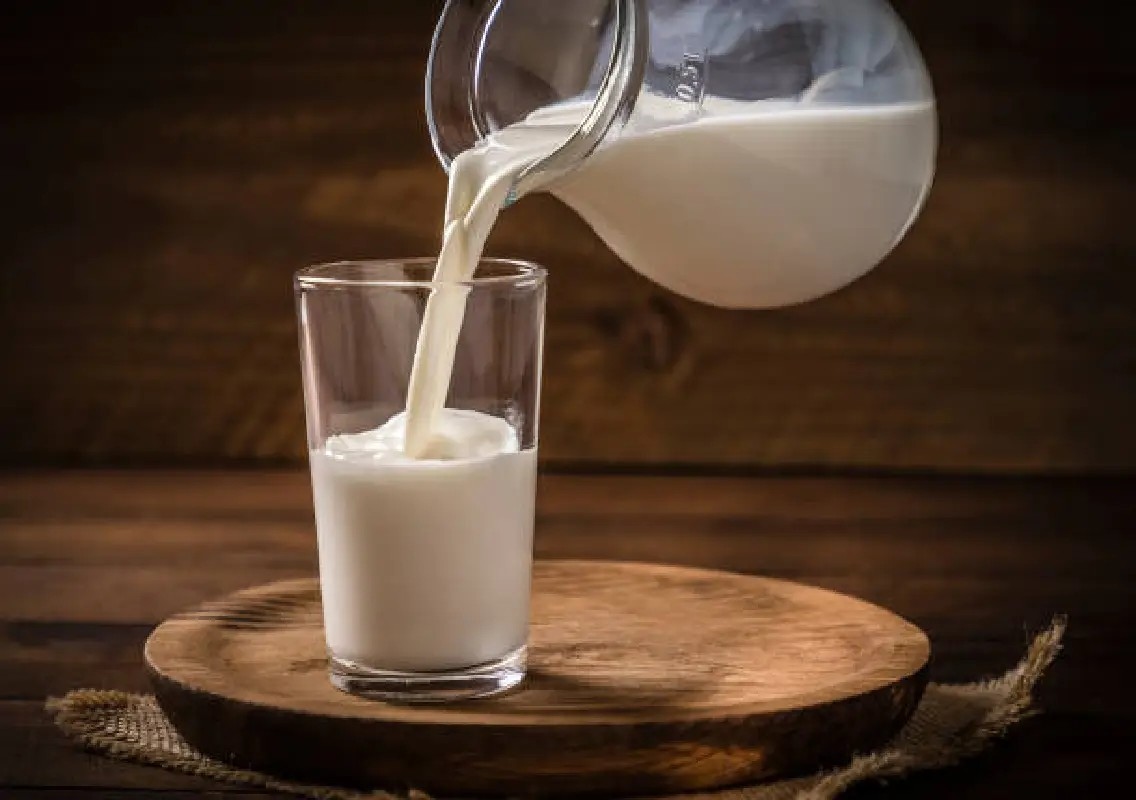
The consumption of raw, unpasteurised milk has become increasingly popular on social media platforms, particularly among wellness influencers.
Pasteurisation involves heating milk to eliminate harmful bacteria while preserving its nutritional value.
Dr Sethi warned that drinking raw milk can expose individuals to dangerous pathogens such as Salmonella infection, E. coli infections and Listeria contamination.
He stressed that any potential probiotic benefits are outweighed by the risks of serious foodborne illness, especially for children, pregnant women and individuals with weakened immune systems.
Chlorophyll water lacks scientific backing
Chlorophyll water has emerged as another viral wellness trend, with claims that it can detoxify the gut and improve overall health.
However, Dr Sethi noted that scientific evidence supporting these claims remains extremely limited.
Rather than relying on chlorophyll supplements or flavoured water products, he recommended consuming green vegetables, which naturally provide chlorophyll alongside a wide range of vitamins, minerals and fibre.
BeanTok challenge may cause digestive issues
The so-called “BeanTok Challenge” encourages participants to eat two cups of beans daily for 30 consecutive days.
Beans are rich in fibre, plant protein and essential nutrients, making them a healthy dietary choice for many people.
However, Dr Sethi explained that suddenly consuming large quantities of beans can cause bloating and digestive discomfort, particularly for individuals who are not accustomed to high-fibre diets.
He advised gradually increasing bean intake to allow the digestive system and gut bacteria to adjust.
Parasite cleanses often unnecessary
Parasite cleanse programmes, which claim to detoxify the gut and eliminate hidden parasites, have also gained traction online.
These regimens often involve herbal supplements and restrictive diets marketed as solutions for digestive symptoms.
Dr Sethi noted that most digestive complaints in developed countries are not caused by parasites. He warned that many parasite cleanse products can irritate the digestive tract and may even contribute to nutrient deficiencies.
Medical experts recommend seeking professional evaluation rather than self-diagnosing digestive issues based on social media content.
Experts urge caution with online health advice
The growing popularity of wellness trends highlights the influence social media has on healthcare decisions. While some online advice may offer useful insights, experts emphasise the importance of evaluating health claims critically and consulting qualified medical professionals before making significant dietary or lifestyle changes.
Dr Sethi’s advice serves as a reminder that viral popularity does not necessarily equal scientific validity, particularly when it comes to gut health and nutrition.