







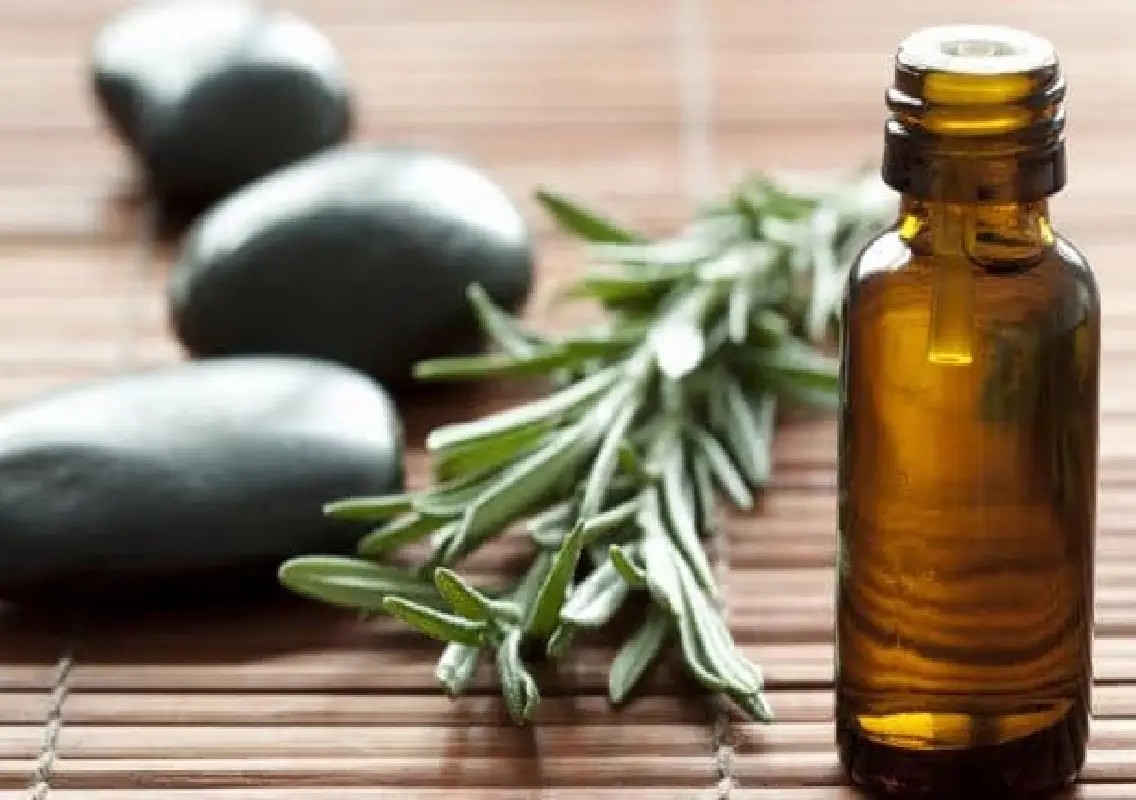


India: Rosemary, a fragrant herb long used in traditional medicine and cooking, is gaining renewed attention for its potential benefits for cognitive function, scalp health and hair growth. While social media has fuelled interest in rosemary water, rosemary oil and herbal preparations, some of the claims surrounding the plant need to be separated from evidence-backed findings.
Known botanically as Rosmarinus officinalis, rosemary is now classified as Salvia rosmarinus. It contains several biologically active compounds, including 1,8-cineole, rosmarinic acid and carnosic acid. Research has investigated these compounds for antioxidant, anti-inflammatory and neuroprotective properties.
The herb has also attracted interest in dermatology following clinical research examining rosemary oil for pattern hair loss. However, rosemary should not automatically be considered a replacement for established medical treatments.
Why rosemary is attracting attention
Rosemary has traditionally been associated with memory and mental alertness. Its aromatic compounds have been studied for their potential effects on cognition, while antioxidant compounds in the herb have been investigated for their ability to protect cells from oxidative stress.
One of the compounds receiving particular attention is 1,8-cineole, which is present in rosemary essential oil. Research has explored whether inhaling rosemary aroma can influence aspects of memory and cognitive performance.
A study involving rosemary aroma exposure reported an association between higher blood concentrations of 1,8-cineole and improved performance in certain cognitive tests. Participants exposed to rosemary aroma also performed better on some measures of memory and mental processing.
However, such findings do not establish that rosemary can prevent dementia or significantly improve memory in people with cognitive disorders. More research is required before strong therapeutic claims can be made.
Rosemary and the brain
Rosemary contains compounds such as carnosic acid and rosmarinic acid that have demonstrated antioxidant and neuroprotective activity in laboratory and preclinical research.
Some studies have also examined rosemary compounds for their effects on acetylcholinesterase, an enzyme involved in the breakdown of acetylcholine. Acetylcholine plays an important role in learning, attention and memory.
Theoretically, slowing the breakdown of acetylcholine could support cognitive processes. However, laboratory findings should not be interpreted as proof that consuming rosemary or using rosemary oil will produce the same effect in humans.
For healthy adults, using rosemary as a culinary herb is generally a different proposition from taking concentrated extracts or essential oils. The latter contain much higher concentrations of active compounds and should be handled carefully.
Can rosemary help hair growth?
Perhaps the most popular modern use of rosemary is for hair care. Rosemary oil has become particularly prominent on social media, where it is often promoted as a natural alternative to minoxidil.
There is some clinical evidence behind this interest.
A randomised study involving people with androgenetic alopecia, commonly known as pattern hair loss, compared rosemary oil with 2% minoxidil over six months. Both groups showed an improvement in hair count during the study period.
Participants using rosemary oil also reported less scalp itching than those using minoxidil.
The study is encouraging, but it has limitations. It does not establish that rosemary oil is equivalent to commonly used hair-loss medicines in every patient or for every type of hair loss.
Hair loss can also result from nutritional deficiencies, thyroid disorders, hormonal changes, autoimmune conditions, infections and other medical problems. Treating the underlying cause is therefore more important than simply applying an oil to the scalp.
How rosemary may support scalp health
Rosemary contains antioxidant and anti-inflammatory compounds, which may contribute to its potential effects on the scalp.
Some researchers have proposed that improved local circulation and effects on inflammatory pathways could contribute to healthier hair follicles. There has also been interest in whether rosemary compounds can influence processes associated with androgen-related hair loss.
However, claims that rosemary oil directly blocks DHT in the same way as established medical treatments should be treated cautiously. The evidence is not strong enough to describe rosemary as a proven DHT-blocking treatment.
People considering rosemary for hair loss should therefore have realistic expectations. Any potential improvement is likely to require consistent use over several months rather than a few days or weeks.
How to use rosemary safely
Natural products are not automatically risk-free. This is particularly important with essential oils, which are highly concentrated.
For scalp application, rosemary essential oil should never be applied directly in undiluted form. It can irritate the skin and may cause contact dermatitis in susceptible individuals.
A diluted preparation can be made by mixing a small quantity of rosemary essential oil with a suitable carrier oil such as coconut, jojoba or sweet almond oil. The mixture should first be tested on a small area of skin to check for irritation.
If redness, burning, itching, swelling or a rash develops, the product should be washed off and discontinued.
Rosemary used as a culinary herb is considerably less concentrated than essential oil and should not be treated as equivalent to an essential-oil preparation.
What about rosemary tea?
Rosemary leaves can be used to prepare an herbal infusion, but evidence for specific cognitive or hair-growth benefits from drinking rosemary tea is limited.
A moderate culinary or tea use is different from consuming concentrated extracts. There is no need to take large quantities in the belief that a higher dose will produce greater benefits.
People taking medicines or managing a medical condition should speak to a healthcare professional before regularly consuming concentrated herbal preparations.
Who should be particularly cautious?
Pregnant women should avoid medicinal or high-dose use of rosemary unless specifically advised by a qualified healthcare professional. Concentrated essential oils should not be treated like ordinary food ingredients.
People with epilepsy or other neurological conditions should also seek medical advice before using concentrated rosemary preparations.
Anyone with a history of allergies or sensitive skin should exercise caution with topical rosemary oil. Essential oils can trigger irritation or allergic contact reactions even when the plant itself has previously been tolerated as food.
A patch test can reduce the risk of applying a potentially irritating product over a large area, although it cannot completely rule out an allergic reaction.
Rosemary is not a cure-all
The growing popularity of rosemary reflects a broader interest in plant-based approaches to wellness. There is genuine scientific interest in the herb’s antioxidant, anti-inflammatory and potentially neuroprotective compounds, and clinical research has produced promising findings in areas such as pattern hair loss.
At the same time, evidence remains limited for many of the broader claims made online.
Rosemary should therefore be viewed as a potential complementary option rather than a guaranteed treatment for memory problems, hair loss or other medical conditions. Essential oils in particular should be diluted and used carefully.
For persistent memory difficulties, significant hair loss, scalp inflammation or other symptoms, medical evaluation remains important. Used sensibly and with appropriate precautions, rosemary can be part of a broader approach to wellbeing without relying on exaggerated claims.