









What began as a routine corporate health check for a young professional in his early 30s turned into a life-altering diagnosis, underscoring the growing importance of early detection and genetic awareness in modern cancer care.
A harmless test, an unexpected finding
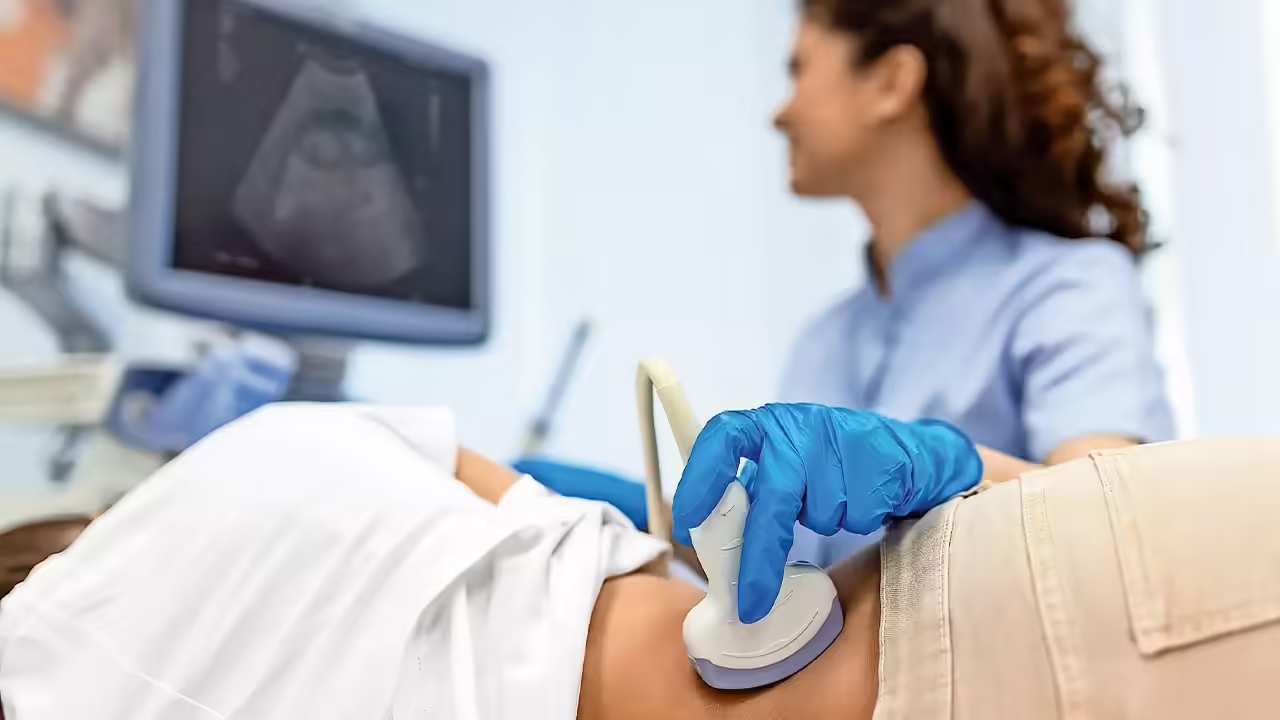
The patient, fit and completely asymptomatic, opted for an abdominal ultrasound as part of his annual workplace health plan. During the scan, the radiologist noticed an irregular mass in the upper pole of the right kidney. A contrast CT scan confirmed the diagnosis: renal cell carcinoma (RCC), the most common form of kidney cancer.
The news came as a shock. Kidney cancer is usually seen in men above 50 and often remains “silent” until discovered incidentally. In this case, the tumour was classified as T1a — less than 4 cm — placing it firmly in the early detection category, where cure rates are exceptionally high.
Early surgery, excellent outcome
Given the patient’s young age, the priority was to remove the cancer while preserving as much healthy kidney tissue as possible. Doctors recommended a robotic partial nephrectomy, a minimally invasive, precision surgery that removes only the tumour with a narrow margin of normal tissue.
The procedure was completed in under three hours. By the evening, the patient was able to sit up, began walking the next day, and was discharged on the third day. Pathology later confirmed clear cell RCC confined to the kidney, with no spread and clean margins — eliminating the need for chemotherapy or radiotherapy.
Family history reveals genetic risk
Post-surgery counselling revealed that the patient’s grandmother had also suffered from a kidney tumour in her 40s. This prompted genetic testing, which showed a mutation in the VHL (von Hippel–Lindau) gene — a hereditary condition that significantly increases lifetime risk of kidney and other tumours.
Each child of an affected individual carries a 50 per cent chance of inheriting the gene variant. While not everyone develops cancer at the same age or severity, structured surveillance allows early detection and timely treatment.
New-age targeted therapies
While surgery cured the present cancer, advances in medicine offer additional safeguards. Targeted drugs such as Belzutifan can help shrink VHL-related tumours and delay repeat surgeries. In advanced cases, therapies like VEGF inhibitors and immunotherapy have transformed survival outcomes.
A message for young Indians
This case is a reminder that cancer does not always announce itself with symptoms — and that routine screenings, family history, and early intervention can save lives.