







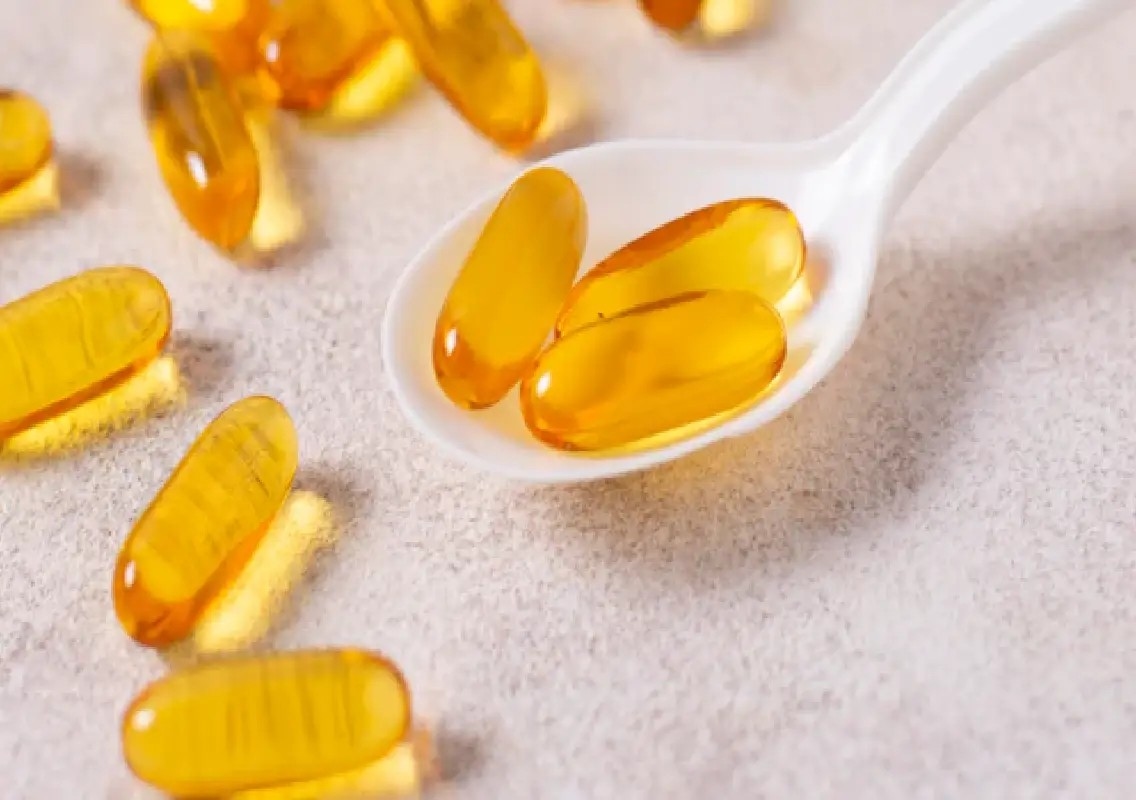


New Delhi: Vitamin D deficiency remains one of the most common nutritional concerns in India despite the country receiving abundant sunlight throughout the year. According to nutritionist Lovneet Batra, more than 80 per cent of Indians are estimated to have low vitamin D levels, with many people unknowingly worsening the problem through improper use of supplements.
In a recent social media post, Batra said that taking vitamin D supplements without medical advice or blood tests often fails to correct the deficiency. She explained that the body requires several nutrients, known as cofactors, for vitamin D to be properly activated and absorbed.
Health experts also recommend confirming vitamin D deficiency through appropriate blood tests and consulting a healthcare professional before beginning supplementation, as excessive intake can also have adverse effects.
Why supplements may not be enough
According to Batra, vitamin D does not work effectively on its own.
She said the body requires magnesium to activate vitamin D, while vitamin K2 helps direct calcium towards bones instead of soft tissues. Zinc supports the functioning of vitamin D receptors in cells, and healthy dietary fats improve the vitamin’s absorption into the bloodstream.
Without adequate levels of these supporting nutrients, vitamin D supplements may not produce the expected improvement, she noted.
Sun-dried mushrooms
Batra recommended incorporating sun-dried mushrooms into the diet as a natural source of vitamin D.
According to her, around 100 grams of sun-dried mushrooms can provide approximately 400 IU of vitamin D along with zinc and B vitamins.
She advised drying fresh mushrooms under direct sunlight for one to two hours before cooking them in desi ghee to improve fat absorption.
Midday sunlight remains important
The nutritionist stressed that midday sunlight continues to be one of the most effective natural sources of vitamin D.
She suggested spending around 15 minutes outdoors between 11 am and 2 pm, exposing the arms and legs before applying sunscreen.
Experts note that the amount of vitamin D produced through sunlight varies depending on skin tone, season, geographical location, age and the duration of sun exposure.
Include whole egg yolks
Batra also advised against discarding egg yolks, explaining that each yolk contains approximately 40 to 50 IU of vitamin D.
She recommended consuming whole eggs cooked with vegetables and desi ghee as part of a balanced diet.
Eggs are also a source of high-quality protein and several essential vitamins and minerals.
Moringa and sesame seeds
According to Batra, moringa powder indirectly supports vitamin D metabolism because it contains magnesium, calcium, zinc and vitamin C.
She suggested mixing half a teaspoon of moringa powder in warm water or adding it to daily preparations such as dal or vegetable dishes.
Similarly, sesame seeds provide calcium, magnesium and zinc, nutrients that support bone health and vitamin D function.
She recommended including sesame seeds in chutneys, rotis or laddoos, particularly during winter months when sunlight exposure may be reduced.
Pumpkin seeds for supporting nutrients
Batra also highlighted the nutritional value of pumpkin seeds, which are rich in zinc and magnesium.
She suggested lightly roasting pumpkin seeds in ghee with a small amount of rock salt and consuming them as a mid-morning snack.
These minerals may help support the body’s overall vitamin D metabolism when consumed as part of a balanced diet.
Balanced approach is essential
While dietary changes and sensible sun exposure can contribute to maintaining healthy vitamin D levels, medical experts advise against self-diagnosing or self-medicating.
Individuals experiencing symptoms such as fatigue, muscle weakness or bone pain should consult a qualified healthcare professional and undergo appropriate testing before starting supplements.
Maintaining a balanced diet, getting regular sunlight exposure, staying physically active and following medical advice remain the most reliable ways to support healthy vitamin D levels and overall bone health.