







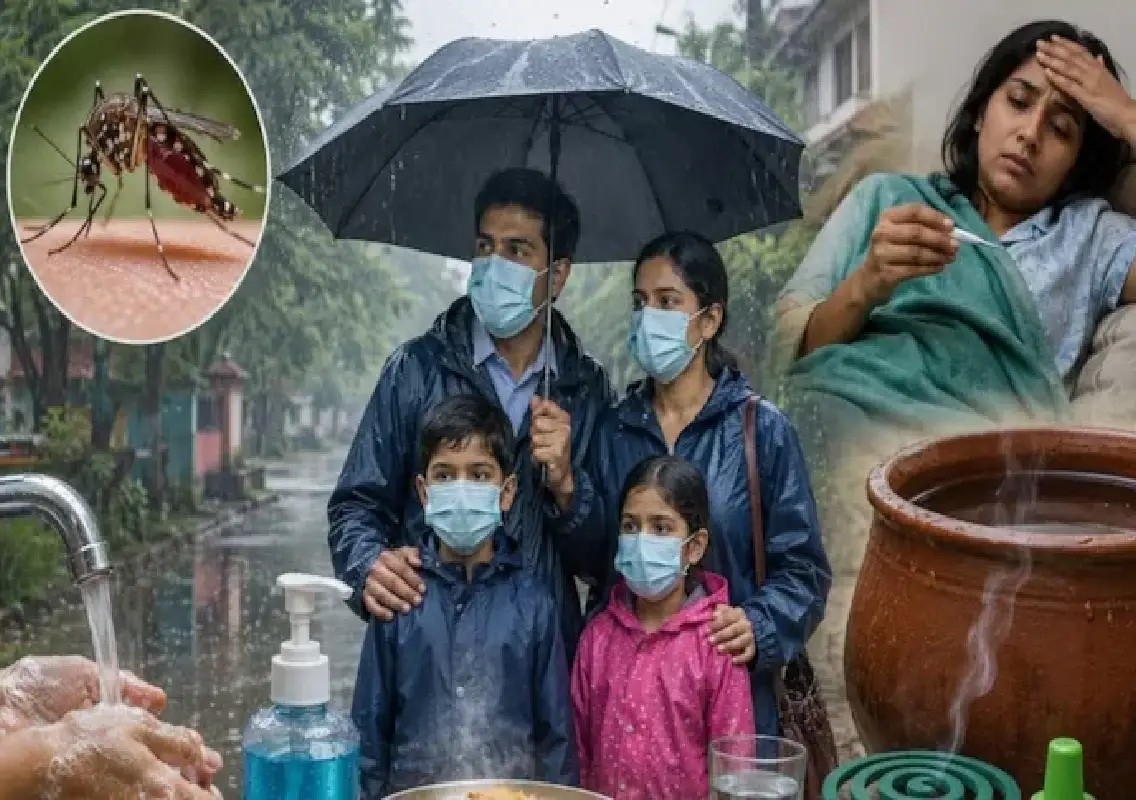


New Delhi: The arrival of the monsoon brings welcome relief from the summer heat, but it also marks the beginning of a season when infections such as influenza, dengue, malaria and waterborne diseases become more common. Health experts say that while the rainy season creates favourable conditions for the spread of bacteria, viruses and mosquitoes, many seasonal illnesses can be prevented through simple precautions and healthy daily habits.
Doctors advise people to focus on hygiene, safe food and drinking water, mosquito control, proper nutrition and mental well-being to reduce the risk of illness during the monsoon.
Seasonal illnesses rise during the monsoon
Hospitals typically witness an increase in cases of seasonal influenza, dengue, malaria and waterborne diseases such as typhoid, cholera and gastroenteritis during the rainy season.
The combination of humidity, stagnant water and contamination of food and water creates conditions that allow disease-causing organisms and mosquitoes to thrive.
Health experts emphasise that preventive measures taken at home and in the community can significantly reduce the risk of infection.
Maintain hygiene and eat safely
Doctors recommend practising good personal hygiene throughout the season.
Regular handwashing before meals and after using the washroom remains one of the most effective ways to prevent infections.
People are also advised to drink only clean, filtered or boiled water and avoid consuming cut fruits or uncovered street food that may have been exposed to contaminated water or unhygienic conditions.
Freshly prepared, home-cooked meals are generally considered a safer option during the monsoon.
Prevent mosquito breeding
Mosquito-borne diseases remain a major concern during the rainy season.
Health experts recommend regularly emptying containers that collect stagnant water, including flower pots, buckets, discarded tyres, coolers and other household items where mosquitoes can breed.
Wearing full-sleeved clothing, particularly during early morning and evening hours, and using mosquito repellents, screens or mosquito nets can help reduce the risk of mosquito bites.
Community participation in keeping neighbourhoods free of stagnant water also plays an important role in controlling mosquito populations.
Don’t ignore flu-like symptoms
Doctors advise people to take flu symptoms seriously during the monsoon.
Anyone experiencing fever, body aches, cough or fatigue should consider resting at home and limiting contact with others to reduce the spread of infection.
Persistent or worsening symptoms should be evaluated by a healthcare professional, especially if accompanied by breathing difficulty or prolonged fever.
Mental well-being matters too
Experts point out that the rainy season can also affect emotional well-being.
Reduced exposure to sunlight, changes in routine and spending more time indoors may contribute to low mood, reduced physical activity and disturbed sleep patterns.
According to Dr Kripa Shah, maintaining a regular daily routine, getting adequate sleep, staying physically active indoors or outdoors when possible and keeping in touch with family and friends can support both physical and mental health during the season.
She also noted that chronic stress can influence lifestyle habits and reduce people’s ability to care for their health, making mental well-being an important aspect of overall wellness.
Balanced nutrition supports immunity
Doctors recommend consuming a balanced diet rich in nutrients to support the body’s immune system.
Foods containing vitamin C, seasonal fruits, fresh vegetables, adequate protein and probiotic foods such as curd, where suitable, may help maintain overall health.
Hydration should not be neglected even when cooler weather reduces the sensation of thirst. Drinking sufficient safe water throughout the day remains essential.
Seek medical attention when necessary
Health experts caution against assuming that every fever during the monsoon is caused by a routine viral infection.
Symptoms such as high fever, severe body pain, persistent vomiting, skin rashes or signs of dehydration require prompt medical evaluation, as they may indicate conditions such as dengue or other serious infections.
Early diagnosis and timely treatment can reduce the risk of complications and improve recovery outcomes.
Small habits make a big difference
Doctors say staying healthy during the monsoon does not require complicated measures.
Simple daily practices such as carrying an umbrella, drinking safe water, eating freshly cooked food, maintaining cleanliness, eliminating stagnant water around homes, getting adequate sleep and seeking medical advice when symptoms persist can help people enjoy the rainy season while reducing the risk of illness.