







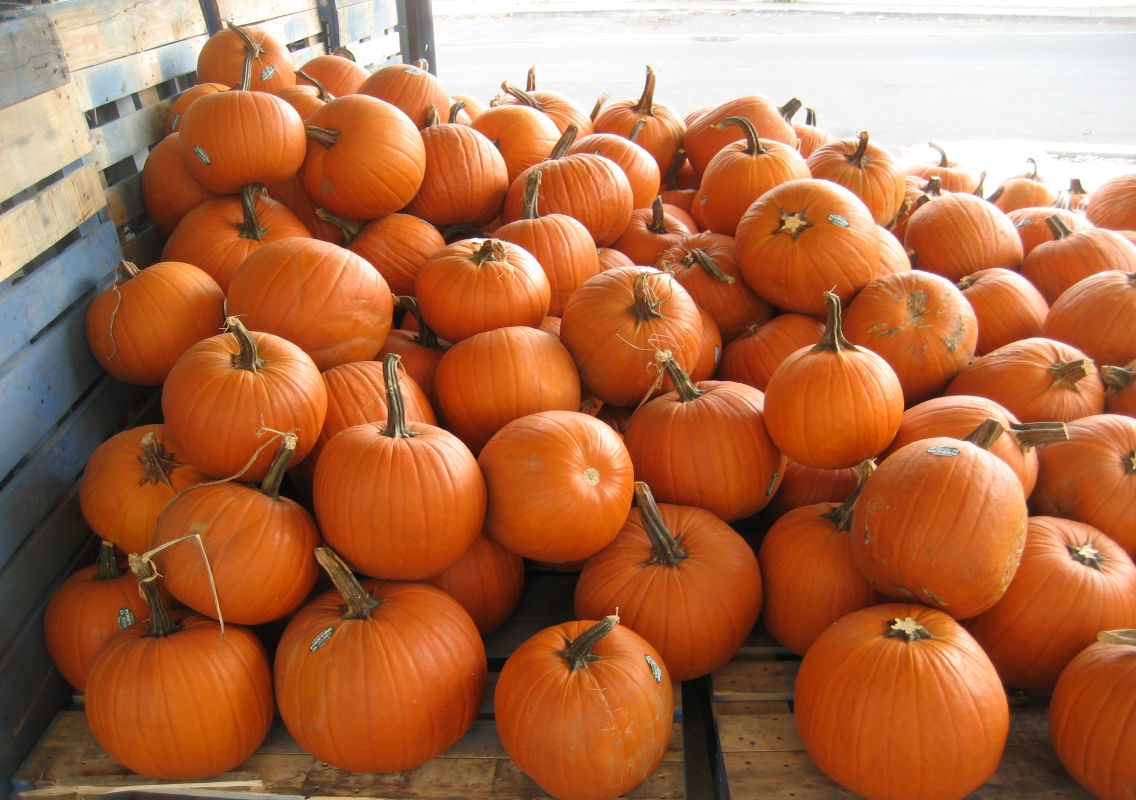


Pumpkins are more than just a seasonal decoration; they are a powerhouse of nutrition that offers a wide array of health benefits. Rich in essential vitamins and minerals, pumpkins can enhance overall well-being and support various bodily functions.
Nutrient-Rich Profile
Pumpkins are packed with vital nutrients, including:
- Vitamins A, C, and E: These vitamins play crucial roles in immune function, vision, and skin health.
- Potassium: Important for maintaining healthy blood pressure and heart function.
- Dietary Fiber: Supports digestive health and aids in weight management.
The antioxidant properties of pumpkins, particularly due to beta-carotene, lutein, and zeaxanthin, help fight oxidative stress and inflammation. These compounds protect cells from free radical damage, potentially lowering the risk of chronic diseases . Pumpkins are an excellent source of beta-carotene, which converts to vitamin A in the body. This vitamin is essential for maintaining good vision and may help prevent age-related macular degeneration and other eye disorders.
The combination of potassium and fiber in pumpkins contributes to cardiovascular health. Potassium helps regulate blood pressure, while dietary fiber assists in lowering LDL cholesterol levels, promoting overall heart function. The high fiber content in pumpkins supports digestive health by promoting regular bowel movements and preventing constipation. It also helps maintain a healthy gut microbiome, which is vital for effective digestion.
Rich in vitamins A and C, pumpkins enhance the immune system. Vitamin A supports the health of mucous membranes and skin, while vitamin C boosts the production of white blood cells, crucial for fighting infections. Low in calories yet high in fiber, pumpkins make for a filling food option that aids in weight management. The fiber helps control appetite and promotes a sense of fullness, reducing the chances of overeating.
The vitamins A and C in pumpkins contribute to skin health by promoting collagen production and reducing signs of aging. Additionally, the antioxidants in pumpkins protect the skin from UV damage and environmental pollutants. Pumpkins contain tryptophan, an amino acid that can influence mood by increasing serotonin levels in the brain. This may help improve mood and alleviate symptoms of depression and anxiety.
Beyond vitamins A and C, pumpkins also provide essential minerals like zinc and iron, which are important for a healthy immune system and overall well-being.
Incorporating pumpkins into your diet can lead to numerous health benefits, from supporting eye and heart health to boosting immunity and aiding digestion. Their rich nutrient profile makes them a valuable addition to a balanced diet, especially during the fall season. Enjoy pumpkins in various forms—soups, pies, or roasted— to reap their many rewards for your health.