







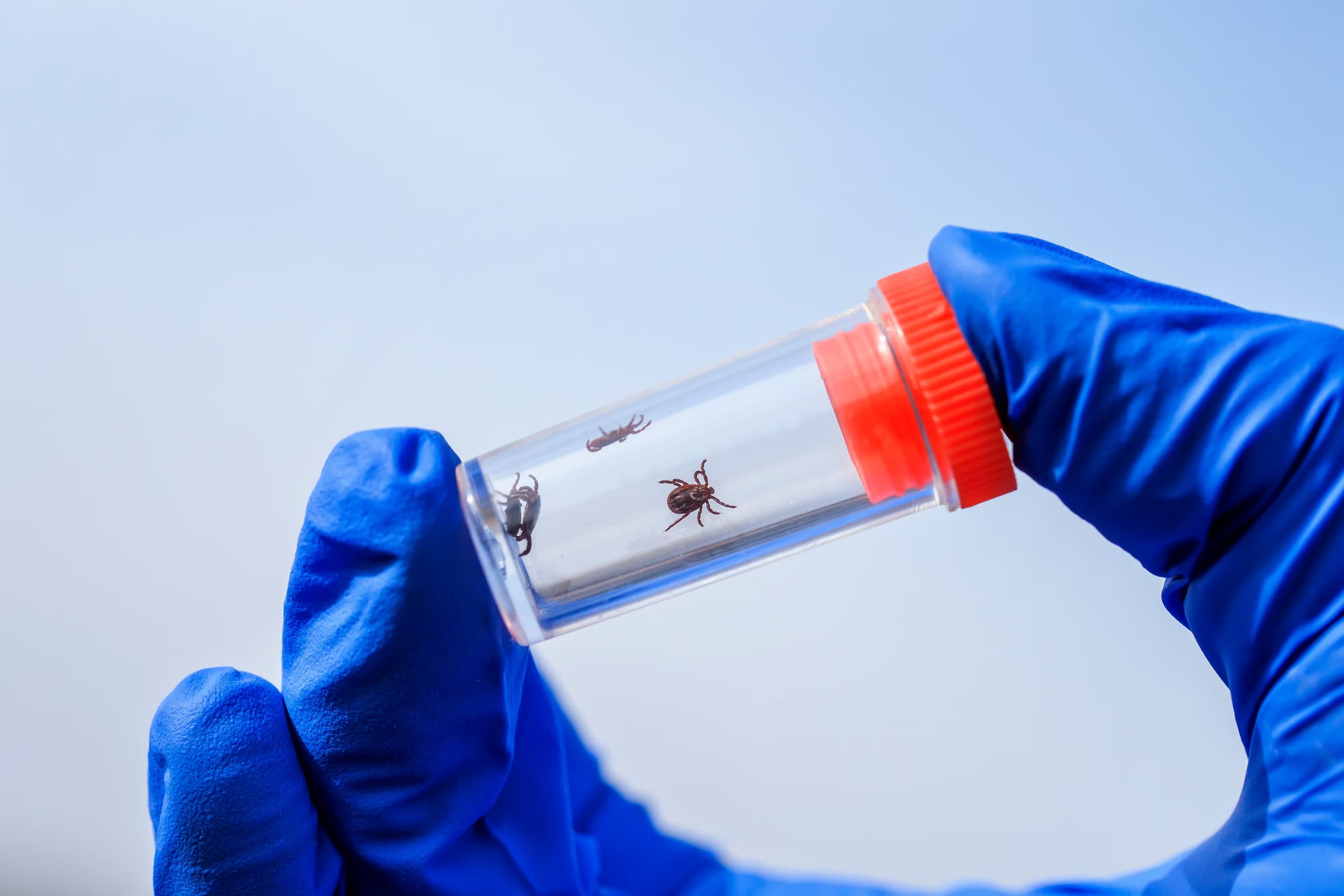


Doctors in the United States have confirmed the first known fatal case of alpha-gal syndrome, a rare meat allergy triggered by tick bites, after a 47-year-old man from New Jersey died suddenly hours after eating beef.
The breakthrough came after months of uncertainty over the man’s death, which initially remained unexplained. The case was re-examined by Dr Thomas Platts-Mills, a senior allergy specialist at UVA Health and the scientist who originally identified alpha-gal syndrome.
How a tick bite can cause meat allergy
Alpha-gal syndrome develops after a bite from the Lone Star tick, which can sensitise the immune system to alpha-gal, a sugar found in mammalian meat such as beef, pork and lamb. Once sensitised, individuals may experience delayed allergic reactions, usually three to five hours after eating meat.
Symptoms commonly include hives, severe abdominal pain, vomiting and diarrhoea. In rare cases, doctors have long suspected the condition could progress to life-threatening anaphylaxis, but until now, no fatal case had been officially confirmed.
What happened before his death
According to doctors, the man had gone camping with his family in the summer of 2024. After a late steak dinner, he woke up hours later with intense stomach pain and vomiting, an episode he later described as feeling life-threatening.
Two weeks later, still unaware of the allergy, he ate a hamburger at a barbecue. He collapsed in his bathroom later that evening and died shortly after.
Blood tests reveal fatal allergic reaction
An initial autopsy could not determine the cause of death, listing it as “sudden unexplained death”. Unsatisfied, the man’s wife sought further medical review, which led to Dr Platts-Mills analysing stored blood samples.
Tests confirmed high levels of alpha-gal antibodies, indicating a severe allergic reaction consistent with fatal anaphylaxis. Further questioning revealed the man had suffered multiple itchy bites around his ankles weeks earlier, believed to be from chiggers but likely caused by Lone Star tick larvae.
Why the reaction may have worsened
Researchers believe factors such as alcohol consumption, seasonal pollen exposure, physical exertion and infrequent red meat intake may have intensified the immune response.
Growing public health concern
With tick populations expanding due to rising deer numbers, doctors are urging greater awareness. “Severe abdominal pain hours after eating meat should be treated as a possible allergic emergency,” Dr Platts-Mills warned.