







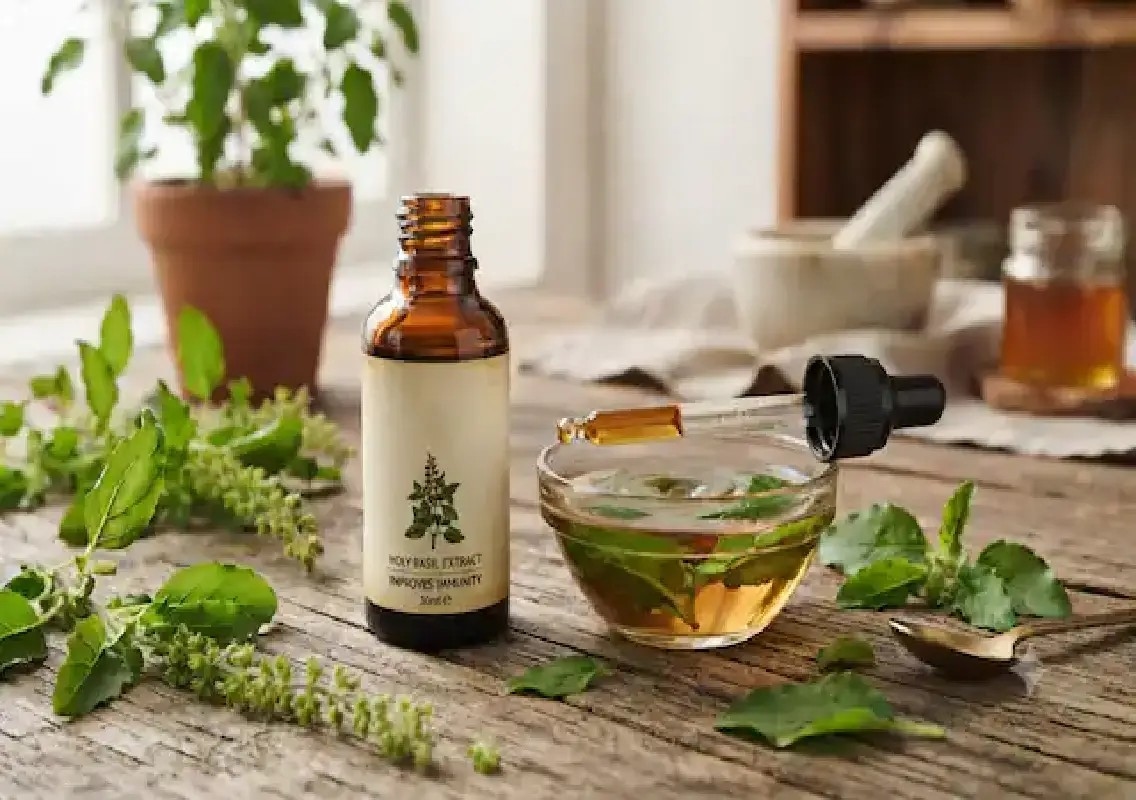


New Delhi: Seasonal allergies become more common during the monsoon as rising humidity, fluctuating temperatures and increased exposure to mould, pollen and dust trigger allergic reactions. While many people turn to traditional remedies such as tulsi (holy basil) drops for relief, health experts say these herbal extracts may provide supportive benefits but should not replace evidence-based medical treatment for moderate or severe allergies.
Experts advise that tulsi drops can be part of a broader wellness routine, but their effectiveness varies from person to person.
Why seasonal allergies increase during the monsoon
Monsoon conditions create an ideal environment for allergens such as mould spores, dust mites and airborne pollen. Damp indoor spaces and increased humidity further contribute to allergy symptoms.
When these allergens enter the respiratory system, the body’s immune response releases histamine, leading to symptoms that commonly include:
- Frequent sneezing
- Runny nose
- Nasal congestion
- Itchy or watery eyes
- Post-nasal drip
- Throat irritation
Doctors recommend identifying and minimising exposure to these triggers wherever possible.
What are tulsi drops?
Tulsi drops are concentrated liquid extracts prepared from the leaves of holy basil (Ocimum sanctum), a medicinal herb widely used in Ayurveda.
The extracts contain naturally occurring compounds such as:
- Eugenol, known for its anti-inflammatory and pain-relieving properties.
- Rosmarinic acid, an antioxidant that may help regulate allergic responses.
- Flavonoids and other antioxidants, which help protect cells from oxidative stress.
These compounds have contributed to tulsi’s long-standing reputation as a traditional remedy for respiratory health and immune support.
What research suggests
Laboratory and preliminary clinical studies suggest that tulsi possesses anti-inflammatory and immunomodulatory properties that may help reduce inflammation in the respiratory tract.
Research published in the Journal of Ayurveda and Integrative Medicine has highlighted the herb’s potential to support immune function and reduce tissue swelling associated with respiratory irritation.
Traditional medicine experts also believe tulsi may help reduce mucus production and support a balanced immune response during seasonal changes.
However, experts emphasise that there is limited high-quality clinical evidence proving that concentrated tulsi drops can effectively treat allergic rhinitis in humans.
Potential benefits
According to available research and traditional use, tulsi may help:
- Soothe mild throat irritation.
- Support respiratory health.
- Reduce oxidative stress through its antioxidant properties.
- Promote general immune health during seasonal changes.
Some studies involving herbal formulations containing tulsi have also reported improvements in respiratory function among people with bronchial asthma, although more research is required.
What tulsi cannot do
Health experts caution that tulsi should not be viewed as a substitute for medical treatment.
Tulsi drops cannot:
- Cure seasonal allergies.
- Replace prescription antihistamines or nasal sprays.
- Treat severe allergic reactions.
- Prevent life-threatening anaphylaxis.
Individuals with persistent or severe allergy symptoms should consult a healthcare professional rather than relying solely on herbal remedies.
Additional ways to manage allergies
Doctors recommend combining healthy lifestyle practices with prescribed treatment where necessary.
Helpful measures include:
- Keeping windows closed during periods of high pollen or mould levels.
- Showering after returning from outdoors to remove allergens.
- Using saline nasal rinses to clear allergens from the nasal passages.
- Cleaning air filters, bedding and carpets regularly.
- Maintaining indoor humidity below 50 per cent to reduce mould growth.
- Wearing a face mask in areas with heavy pollution or dust.
- Taking prescribed antihistamines or nasal sprays as advised by a doctor.
Side effects and precautions
Although tulsi is a natural product, it is not free from risks.
Experts note that concentrated tulsi extracts may occasionally trigger allergic reactions, including skin rashes or throat irritation, in sensitive individuals.
Tulsi may also interact with certain medicines, particularly blood thinners and diabetes medications, potentially affecting blood clotting or blood sugar levels.
Pregnant or breastfeeding women, individuals with chronic liver or kidney disease and those taking long-term medications should consult their doctor before using tulsi supplements.
Consumers are also advised to purchase herbal products from reputable manufacturers to ensure quality and purity.
When to seek medical care
Medical evaluation is recommended if allergy symptoms:
- Persist despite home remedies.
- Cause difficulty breathing or chest tightness.
- Include wheezing or persistent coughing.
- Result in severe sinus pain or headaches.
- Interfere with sleep or daily activities.
Early treatment can help prevent complications and improve symptom control.
Conclusion
Tulsi possesses recognised antioxidant and anti-inflammatory properties and may offer mild relief from seasonal respiratory discomfort in some individuals. However, current scientific evidence does not support its use as a standalone treatment for seasonal allergies. Experts recommend using tulsi, if desired, as a complementary measure alongside medically approved allergy treatments and lifestyle modifications rather than as a replacement for professional healthcare.