







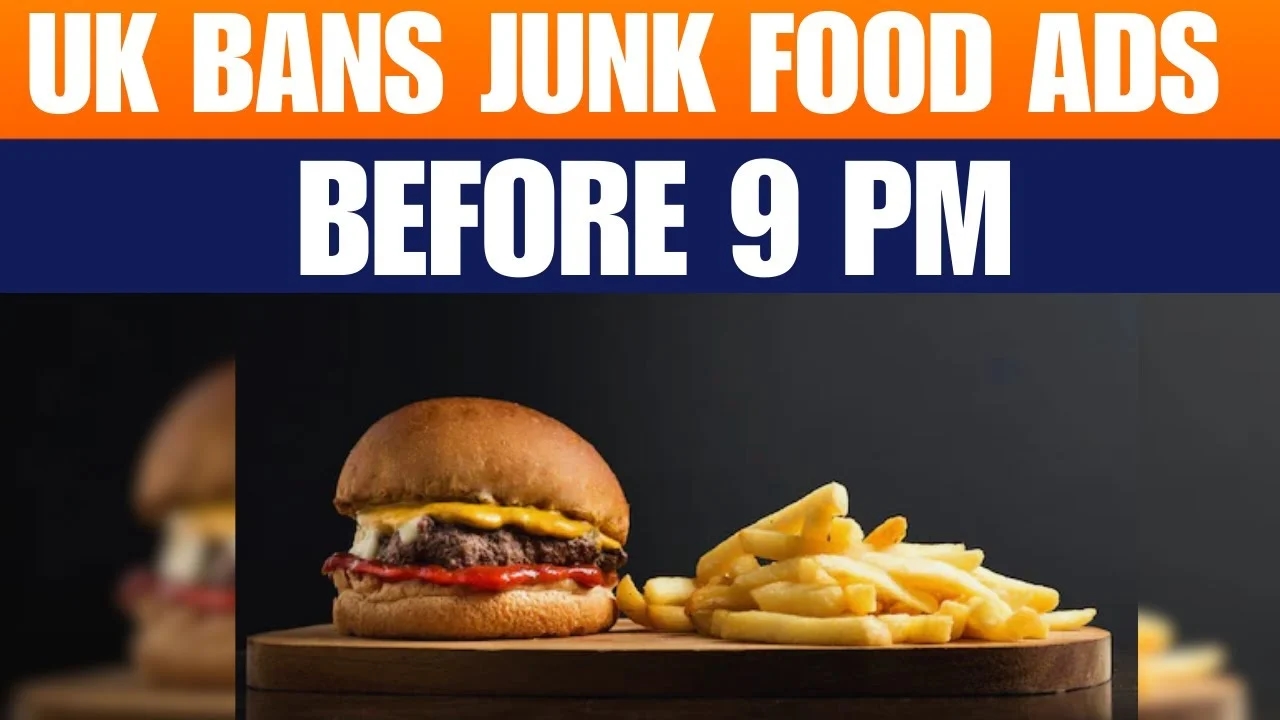


New regulations banning daytime television and online advertising of so-called junk food have come into force across Britain, marking what the government has described as a “world-leading action” to tackle childhood obesity.
What the new ban covers
The rules prohibit advertising of foods high in fat, salt or sugar (HFSS) before the 9 pm watershed on television and completely ban paid HFSS advertisements online, regardless of the time. The measures were first announced in December 2024 and officially came into effect yesterday.
According to the UK Department of Health and Social Care, the ban is expected to remove up to 7.2 billion calories from children’s diets each year. Officials estimate it could prevent around 20,000 cases of childhood obesity and generate approximately £2 billion in long-term health benefits.
Why the government acted
The British government argues that advertising plays a significant role in shaping children’s food preferences from an early age, influencing what and when they eat. Official figures show that 22 per cent of children in England are overweight or obese when they begin primary school at around five years of age. This rises to more than one-third by the time they reach secondary school at 11.
Officials have also highlighted that tooth decay remains the leading cause of hospital admissions among children aged five to nine, underscoring the wider health impact of poor diets.
Part of a broader health push
The advertising ban follows other public health measures, including the extension of the sugar tax to pre-packaged items such as milkshakes, ready-to-drink coffees and sweetened yoghurt drinks. Local councils have also been granted powers to block new fast-food outlets from opening near schools.
Undersecretary of State for Public Health and Prevention Ashley Dalton said restricting junk food advertising before 9 pm and banning paid online adverts would significantly reduce children’s exposure to unhealthy food marketing. She added that the move supports a wider strategy to shift the National Health Service towards prevention, not just treatment.
Health groups welcome the move
Public health organisations have broadly welcomed the regulations. Katharine Jenner, Executive Director of the Obesity Health Alliance, described the ban as a long-awaited step towards protecting children’s health and well-being. Diabetes UK also supported the move, warning that rising obesity levels are contributing to an increase in type 2 diabetes among young people, with potentially severe long-term consequences.
While the food and advertising industries have previously raised concerns about the economic impact, the government maintains that the long-term public health benefits far outweigh the costs.