







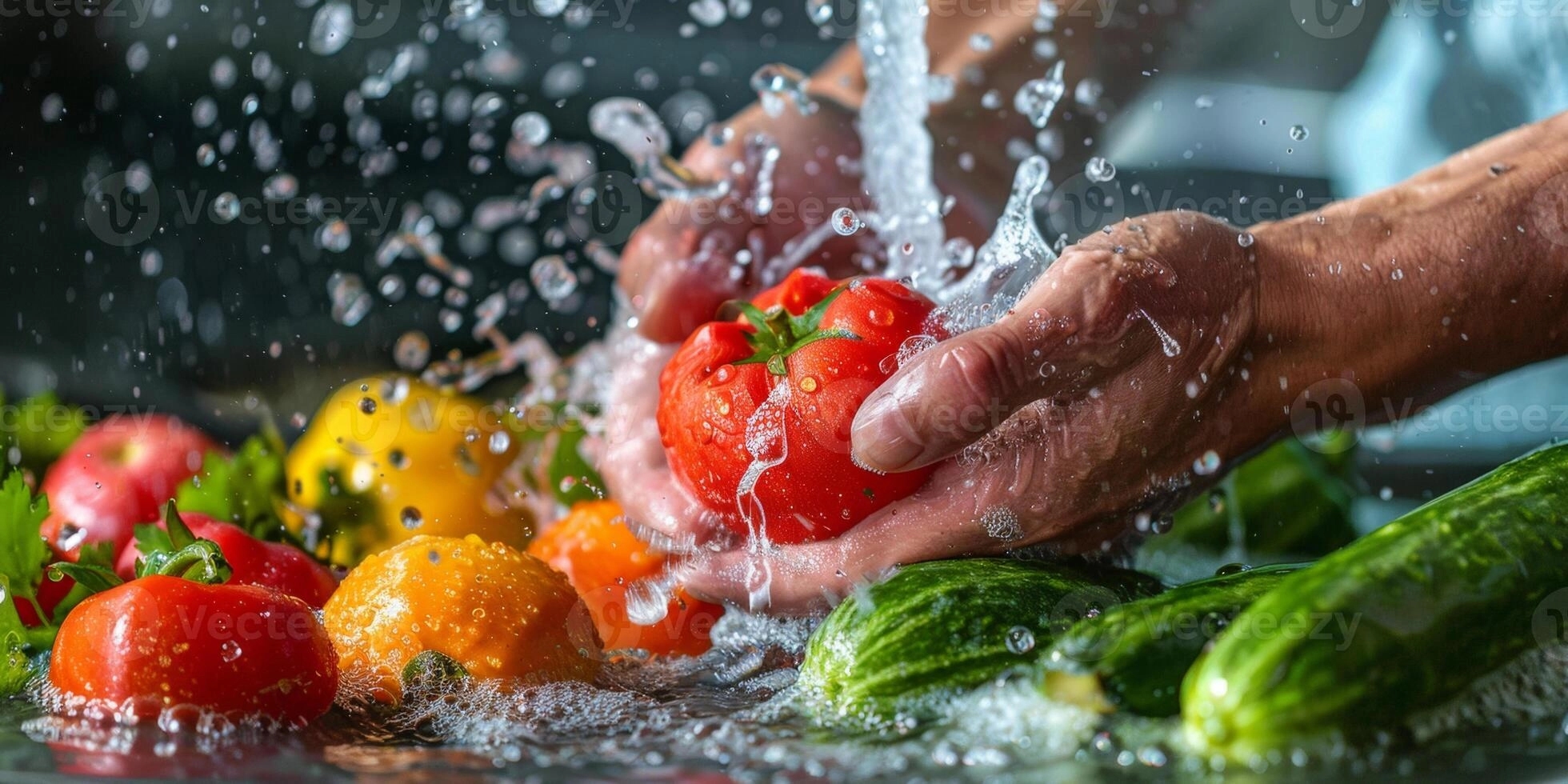


The core issue impacting public health lies not in whether the food consumed is vegetarian or non-vegetarian, but rather in the state of sanitation. Poor sanitary conditions create the ideal environment for the spread of various infections. Whether these infections are transmitted through food, water, or the air, like influenza, inadequate sanitation accelerates their transmission.
Without proper hygiene practices, bacteria and viruses can thrive, leading to a rise in illnesses. Contaminated water or improperly handled food can easily become carriers of harmful pathogens. Airborne infections like the flu are equally susceptible to spread in places with subpar hygiene.
In contrast, maintaining clean surroundings, proper waste disposal, and safe food handling practices are the key defenses against these risks. It is vital to focus on improving sanitation across all levels—be it at home, in public spaces, or at food establishments.
When sanitation is prioritized, the chances of disease transmission drop significantly, regardless of the type of food consumed. Ultimately, it is not food preferences, but the overall cleanliness and hygienic conditions that matter in safeguarding health.
New diagnostic tool to detect co-infections in humans
How drug-resistant infections raise hospital bills
#SanitationFirst #HealthProtection #InfectionPrevention #CleanEnvironment