







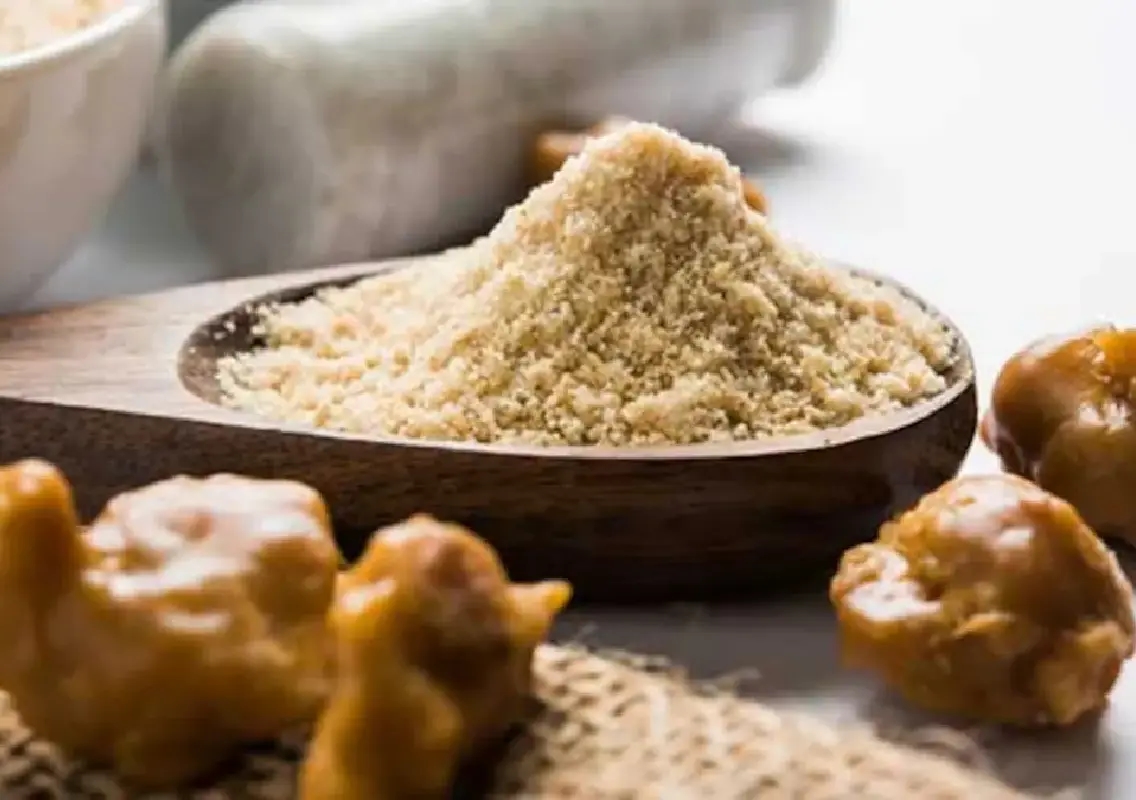


A viral video showing the traditional process of making hing, also known as asafoetida, has sparked widespread curiosity and debate online, with many viewers questioning the purity of the spice commonly used in Indian kitchens.
The video, shared on Instagram, documents how hing is derived from the resin of the Ferula plant, which is native to parts of the Middle East and Central Asia.
From plant resin to kitchen staple
According to the video, hing production begins with harvesting the Ferula plant by carefully cutting into its roots to extract a pungent resin. This resin is then left to dry under the sun, where it hardens into solid lumps. Once dried, the resin is ground into a powder, eventually becoming the familiar yellow spice widely used in Indian cooking.
Afghanistan is one of the largest producers of hing, with most of its supply coming from the Herat province. Pure hing is imported into India and is known to be expensive due to limited availability and labour-intensive extraction.
What most households actually consume
While pure hing is highly aromatic and potent, experts note that it is rarely sold in its raw form. The hing commonly found in Indian markets is a compounded version, usually made with wheat flour or rice flour, edible gum and just 5 to 10 per cent hing resin.
This blending helps reduce the strong odour, prevents the resin from clumping and makes the spice easier to use in small quantities. Such compounded hing is widely used in homes, restaurants and catering services.
Social media reactions
The video has drawn thousands of comments, with users expressing surprise and concern. Some claimed they buy raw hing chunks from spice markets, while others questioned how to identify authenticity when purchasing branded products.
Food enthusiasts explained that dilution is standard practice, though the proportion of resin can vary significantly between products.
A renewed food awareness debate
The viral clip has reignited discussions around food purity, labelling transparency and consumer awareness, prompting many to take a closer look at everyday ingredients used in Indian cooking.