







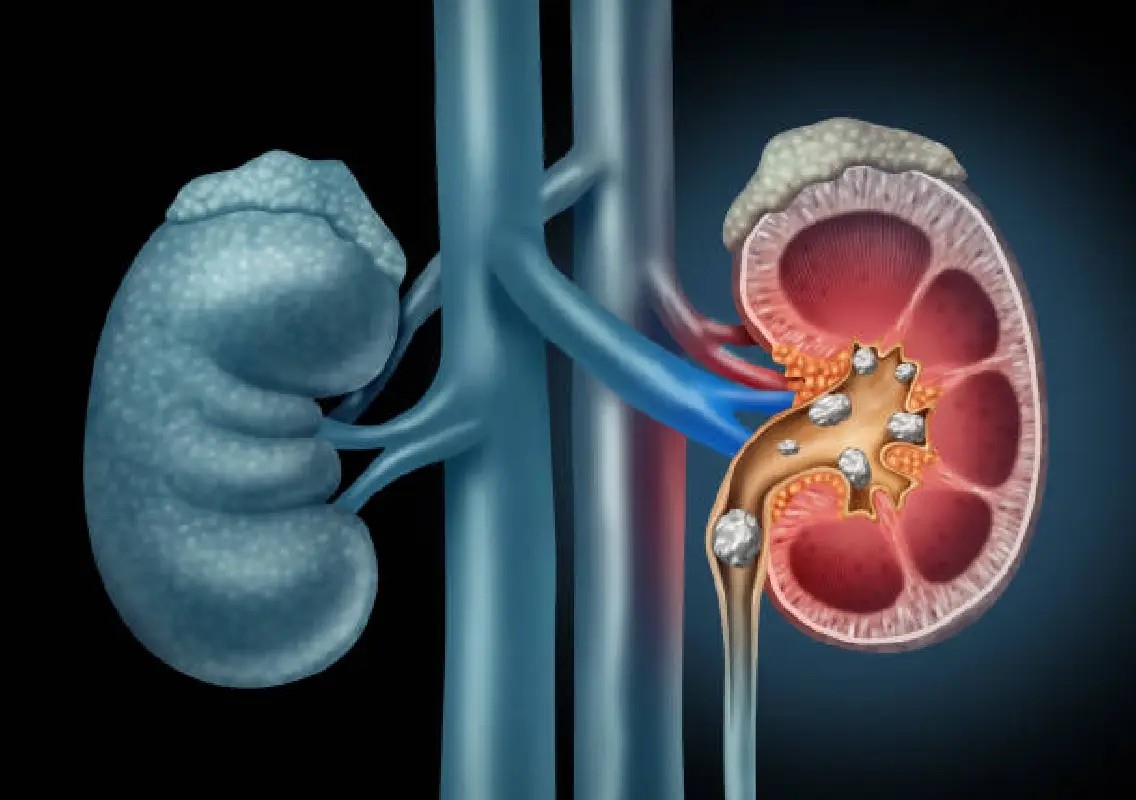


New Delhi: For years, people prone to kidney stones have been advised to drink more water as the primary method of prevention. However, a new study published in The Lancet in 2026 is now challenging this long-standing belief, suggesting that hydration alone may not significantly reduce the recurrence of kidney stones.
Kidney stones—hard deposits of minerals and salts that form in the kidneys—are a growing global health concern. Known for causing severe pain, they also have a high recurrence rate, with nearly half of affected individuals experiencing another episode within a decade.
What the study revealed
The large-scale randomised trial followed over 1,600 individuals with a history of kidney stones. Participants were encouraged and even incentivised to increase their fluid intake.
Surprisingly, the findings showed no significant difference in recurrence rates between those who consumed more fluids and those who did not. Researchers noted that many participants failed to achieve the recommended urine output required to effectively dilute stone-forming minerals.
Experts generally recommend producing at least 2.5 litres of urine daily. This distinction highlights a key insight: drinking more water does not always translate to adequate hydration or effective prevention.
Why hydration still matters
Despite the findings, hydration remains an important factor. The kidneys rely on sufficient fluid intake to dilute substances such as calcium, oxalate, and uric acid, which can crystallise and form stones when urine is concentrated.
However, experts now emphasise that hydration is just one part of a broader prevention strategy. Low fluid intake is only one of several risk factors influencing stone formation.
Diet plays a crucial role
Emerging evidence, including findings published in the Annals of Internal Medicine, suggests that dietary habits may have an equally significant impact on kidney stone risk.
Key recommendations include:
- Reducing sodium intake, as high salt levels increase calcium excretion in urine
- Maintaining adequate calcium intake, as low calcium diets may paradoxically increase risk
- Limiting animal protein, which can raise uric acid levels
- Avoiding excessive consumption of high-oxalate foods such as spinach and beets
These dietary measures help regulate the chemical balance of urine, reducing the likelihood of crystal formation.
Role of medication and health conditions
For individuals with recurrent kidney stones, lifestyle changes alone may not be sufficient. Medical intervention may be required depending on the type of stone.
Common treatments include:
- Potassium citrate to alkalinise urine
- Thiazide diuretics to reduce calcium levels
- Allopurinol to lower uric acid production
Underlying conditions such as obesity, dehydration, and metabolic disorders can also increase the risk, making early diagnosis and management essential.
How much water is enough?
Experts now recommend focusing on urine output rather than a fixed quantity of water intake. Producing around 2 to 2.5 litres of urine daily is considered effective for reducing risk.
A simple indicator of proper hydration is urine colour—pale or light yellow suggests adequate fluid levels. However, individual requirements may vary based on climate, activity level, and overall health, particularly in countries like India where higher temperatures can lead to increased fluid loss.
A holistic approach to prevention
The study underscores the need for a comprehensive strategy in preventing kidney stones. This includes:
- Adequate hydration
- Balanced diet with controlled salt and protein intake
- Maintaining a healthy body weight
- Regular medical check-ups
- Personalised treatment plans for high-risk individuals
Conclusion
The latest findings mark a shift in understanding kidney stone prevention. While drinking water remains essential, it is no longer viewed as a standalone solution. A balanced, multi-faceted approach that includes diet, lifestyle, and medical care is now considered the most effective way to reduce recurrence and maintain kidney health.