







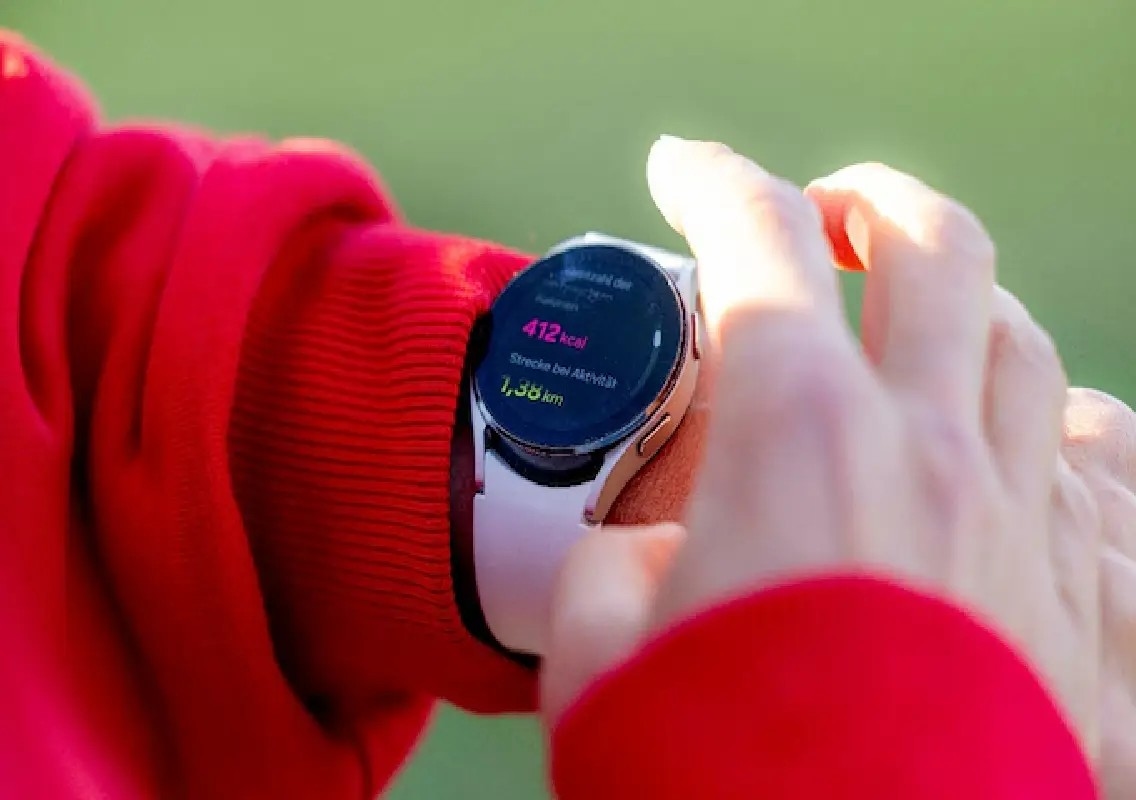


New Delhi: Wearable devices such as smartwatches and fitness trackers have become an integral part of daily life, helping millions of people monitor their physical activity, heart rate, sleep patterns, stress levels and even blood sugar. While these devices can promote healthier lifestyles, health experts caution that they should be viewed as supportive tools rather than substitutes for professional medical advice or the body’s own signals.
Experts say wearable technology is most effective when used alongside regular medical check-ups, healthy lifestyle choices and an awareness of one’s physical condition.
Wearables encourage healthier habits
Speaking to India Today, integrative longevity coach Luke Coutinho said wearable devices play an important role in creating awareness about health and lifestyle habits.
According to him, data generated by fitness trackers can motivate users to become more active and make informed decisions about their daily routines.
“A wearable can be a perfect wake-up call. It gives us data about how many steps we’ve walked, how much we’ve slept or how long we’ve been inactive. That awareness helps people set realistic goals and make better lifestyle choices,” he said.
Research has shown that people using fitness trackers walk approximately 1,800 additional steps each day, equivalent to around 40 extra minutes of walking, compared with those who do not use such devices.
Experts believe this increase in physical activity can contribute to improved long-term health and reduced risk of lifestyle-related diseases.
Useful for monitoring chronic conditions
Beyond tracking exercise, wearable devices are increasingly being used to monitor chronic health conditions.
Continuous Glucose Monitors (CGMs), for instance, allow people with diabetes to monitor blood sugar levels continuously without the need for repeated finger-prick tests.
Modern smartwatches can also monitor:
- Heart rate
- Blood oxygen levels
- Blood pressure trends
- Sleep patterns
- Physical activity
Experts say these features provide useful information between medical consultations and help individuals better understand how lifestyle choices influence their health.
Coutinho explained that wearable data can help users identify how their bodies respond to food, exercise and sleep.
“If a meal causes a large spike in blood sugar, you can make healthier choices next time. You can see how your sleep or workout affects your glucose levels and use that information to improve your lifestyle,” he said.
Devices should not replace medical advice
Despite their growing capabilities, experts stress that wearable devices have limitations and should not be relied upon as diagnostic tools.
Sleep trackers, for example, may sometimes interpret quiet rest as sleep, while measurements such as heart rate or blood pressure trends may not always be clinically accurate.
Coutinho emphasised that wearable devices should complement—not replace—medical care.
“A wearable can never replace your doctor. In fact, sometimes the data tells us that someone needs medical attention, and we immediately refer them to a physician. The best approach is to integrate wearable data with professional medical care,” he said.
Medical professionals also advise users to consult a doctor whenever a wearable repeatedly indicates abnormal readings or when symptoms develop, rather than relying solely on device-generated data.
Experts warn against health anxiety
Health experts have also expressed concern about a growing phenomenon known as health anxiety, in which users become excessively focused on health metrics generated by wearable devices.
Constant monitoring of sleep scores, calorie expenditure, heart rate or daily activity can sometimes create unnecessary stress instead of encouraging healthier behaviour.
Some users may even feel their exercise session or daily activity is inadequate unless it has been recorded by their device.
Coutinho advised people to treat wearable devices as supportive companions rather than allowing them to dictate everyday decisions.
“It’s always a guide. It can never be the boss,” he said.
He added that individuals should also pay attention to how they actually feel.
“Sometimes the device may say you’re exhausted, but you feel perfectly fine. At that point, you should also listen to your body,” he said.
Technology works best with common sense
Experts agree that wearable technology has transformed personal health monitoring by making valuable health information easily accessible to users.
However, they emphasise that these devices deliver the greatest benefits when combined with professional medical guidance, balanced lifestyle choices and an understanding of one’s own physical well-being.
Rather than replacing doctors, wearable devices should serve as tools that encourage preventive healthcare, improve awareness and support healthier habits while recognising that medical expertise remains essential for diagnosis and treatment.