







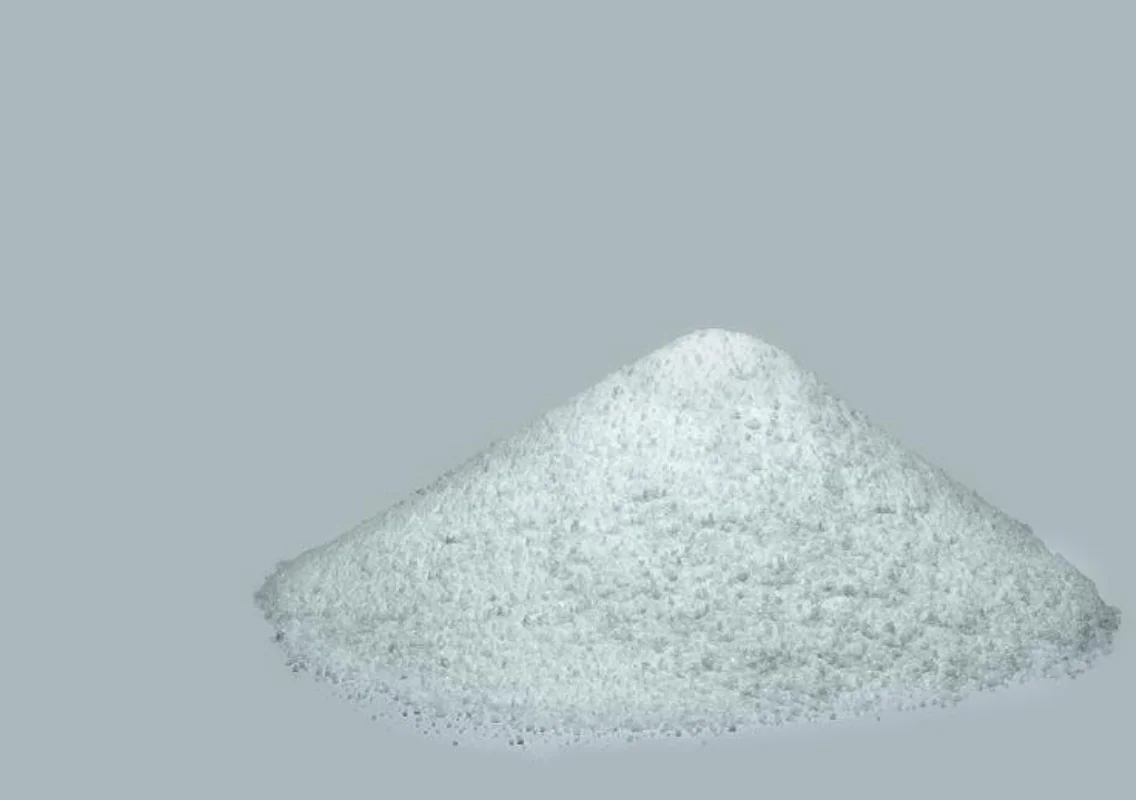


Boric acid is often misunderstood because of its name. The name alone can feel harsh or chemical, which makes it easy to question why boric acid suppositories appear in conversations about intimate care. But once you understand what boric acid actually is and why it’s used, it becomes much less intimidating.
Boric acid is a naturally occurring compound made from boron, a mineral found in soil, rocks, and water. It has a long history of use across medical, household, and personal care settings, valued primarily for its stabilizing properties rather than anything aggressive.
Where Does Boric Acid Come From?
Despite common assumptions, boric acid isn’t a modern synthetic invention. It’s derived from boron-rich minerals and has been researched and used for generations. Historically, it appeared in products like antiseptic solutions and eye rinses — applications where balance and consistency were essential.
As scientific understanding evolved, researchers became more interested in how boric acid functions in environments where pH levels matter. That interest eventually led to its inclusion in specialized personal care products. Its continued use speaks to its reliability. After all, ingredients don’t remain relevant for decades unless they consistently serve a purpose.
What Does Boric Acid Do?
Boric acid is primarily known for helping maintain an acidic environment. It doesn’t overwhelm the body or cover up symptoms. Instead, it supports conditions where balance is important.
In intimate care, that balance refers to vaginal pH. When pH levels shift, discomfort or changes in how the body feels can follow. Boric acid helps support an environment that discourages imbalance without being harsh, which is why it’s used in controlled amounts and specific formulations rather than as a daily, all-purpose product.
How Does Boric Acid Work in the Vagina?
The vagina is designed to regulate itself and maintain an acidic environment. That acidity plays an important role in comfort and balance, which is why even small disruptions can feel noticeable.
Factors like stress, hormonal shifts, antibiotics, sexual activity, or introducing new hygiene products can temporarily affect that environment. The goal isn’t to overpower the body, but to support its ability to recalibrate. Boric acid fits into this approach by working with the body’s natural acidity rather than against it.
What Does Boric Acid Help Treat?
As people learn more about how pH affects comfort and vaginal health, boric acid has gained attention as a targeted option that’s been studied and used for decades when used correctly and with appropriate guidance. Below, discover a few common reasons people take boric acid suppositories.
Recurrent Yeast Infections
This is especially helpful for yeast infections caused by non-albicans Candida strains that don’t always respond well to standard antifungal treatments.
Bacterial Vaginosis (BV)
Boric acid can help support an acidic vaginal environment, which may discourage the overgrowth of bacteria associated with BV.
Persistent Vaginal Odor
Odor is often linked to pH imbalance, and boric acid is used to help restore conditions that reduce the growth of odor-causing bacteria.
Vaginal pH Imbalance
After triggers like antibiotics, hormonal changes, sex, or menstruation, boric acid may help bring pH back into a healthy range.
Recurring Vaginal Discomfort or Irritation
This includes symptoms tied to repeated disruptions rather than a single, acute infection.
Post-treatment support
Some people use boric acid after completing antibiotics or antifungal treatments to help maintain balance and reduce recurrence (under medical guidance).
Remember, boric acid is not a cure-all or a daily maintenance product. It should never be taken orally, and anyone who is pregnant, trying to conceive, or experiencing severe or unexplained symptoms should consult a healthcare provider first.
Why Is Boric Acid Becoming More Popular?
Conversations about vaginal health have become more open and transparent. People are asking clearer questions and expecting straightforward answers rather than vague advice or coded language.
As stigma continues to fade, ingredients like boric acid are being discussed more honestly and accurately. That openness allows people to make informed decisions rather than rely on assumptions or feel embarrassed. When things are explained clearly, fear often gives way to understanding.
How Boric Acid Fits Into Intimate Care
Boric acid isn’t a new or mysterious ingredient. It’s a well-established compound with a specific role in supporting balance within a very specific environment. Its renewed visibility reflects a broader shift toward evidence-based, transparent conversations about intimate health, where understanding replaces uncertainty.