









The sudden death of renowned Nagpur neurosurgeon Dr Chandrashekhar Pakhmode at the age of 53 has sparked widespread concern and difficult questions: how can a person who is fitness-conscious, eats well and had a clean ECG just days earlier still succumb to a fatal heart attack?
Doctors say the answer often lies beyond routine health checklists.
Stress and burnout: the invisible risk
According to Dr Ranjan Shetty, Lead Cardiologist and Medical Director at Sparsh Hospital, Bengaluru, stress and chronic burnout are among the most underestimated heart attack triggers, especially among doctors and high-pressure professionals.
“Long working hours, poor sleep, constant mental pressure and burnout can outweigh traditional risk factors. Even if sugar, cholesterol and ECG reports are normal, stress alone can push the heart into danger,” he said.
He added that doctors often ignore early warning signs such as unexplained fatigue, nausea, light-headedness or mild discomfort, dismissing them as exhaustion.
Why left artery blockages are deadly
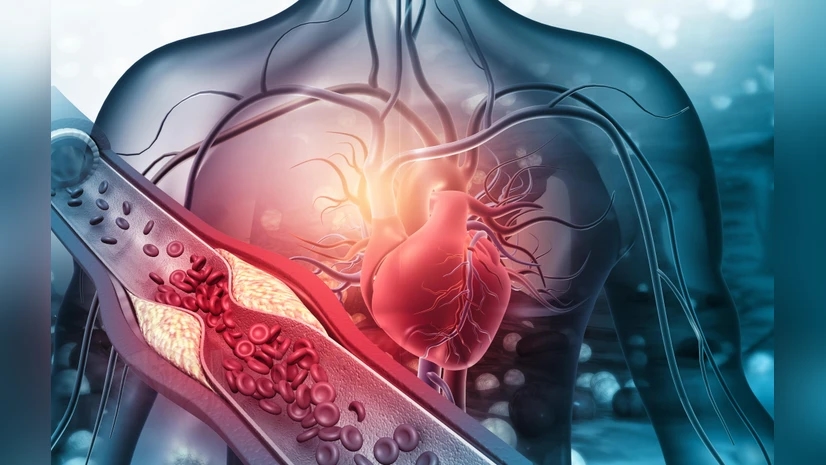
One of the most dangerous conditions is a severe blockage in the Left Main Coronary Artery or the Left Anterior Descending (LAD) artery, which supplies a large portion of the heart muscle.
A 100 per cent blockage in this artery can cut off nearly half of the heart’s oxygenated blood supply. This not only damages the muscle but can also disrupt the heart’s electrical signals, causing fatal arrhythmias and sudden cardiac arrest.
Dr Shetty recalled cases where even young doctors with no obvious risk factors died despite angioplasty and advanced life support like ECMO.
Can stress alone trigger a heart attack?
Medical experts say yes. Chronic stress causes inflammation in blood vessels, making them more vulnerable to plaque formation. Stress hormones such as adrenaline and cortisol raise blood pressure, heart rate, blood sugar and cholesterol levels.
Even short-term emotional stress can rupture existing plaque, leading to a sudden clot and heart attack. A Lancet study found people with high stress or depression were 2.5 times more likely to suffer a heart attack.
Why early morning heart attacks occur
Heart attacks are more common between 3 am and 6 am. During this time, the body releases cortisol and adrenaline to prepare for waking. These hormones raise blood pressure, constrict arteries and make blood more prone to clotting, especially when dehydration is present.
Doctors advise avoiding sudden mental or physical stress immediately after waking.
Why ECGs can miss danger
A routine ECG may appear normal in early or “silent” heart attacks and often misses unstable angina. That is why blood tests like troponin levels are crucial in detecting heart muscle damage.
The tragedy has renewed calls for stress management, adequate rest and holistic heart screening—especially for young professionals who believe fitness alone is enough