







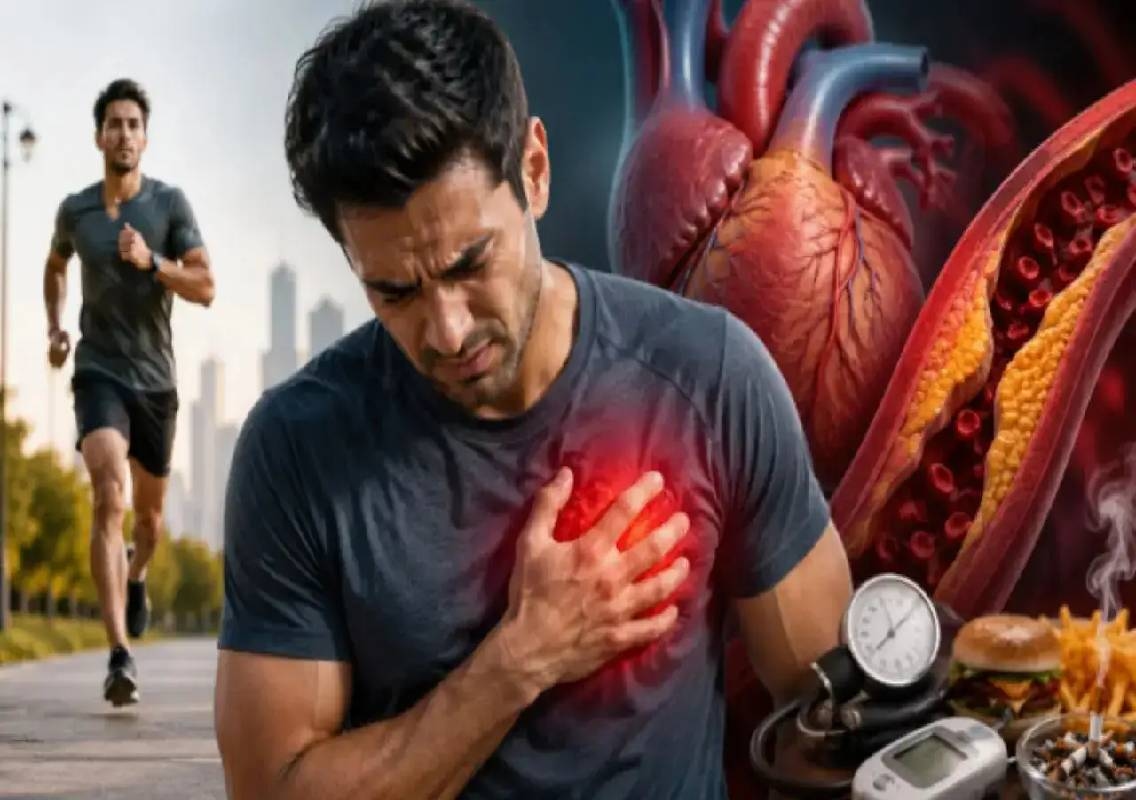


New Delhi: A person who exercises regularly, maintains a healthy weight and appears fit can still be at risk of a heart attack. While lifestyle factors such as smoking, physical inactivity, an unhealthy diet and obesity are well-known contributors to cardiovascular disease, doctors say they are not the only factors that determine heart health.
Hidden conditions such as high blood pressure, high cholesterol, diabetes, genetic predisposition and chronic stress can affect the heart even when a person looks healthy from the outside. Family history and certain underlying medical conditions can also increase cardiovascular risk.
The misconception that heart attacks happen only to older people or those with visibly unhealthy lifestyles can be dangerous. A heart attack occurs when blood flow to part of the heart muscle becomes blocked, and several risk factors can contribute to that process.
Being fit does not eliminate heart risk
Physical fitness is an important part of cardiovascular health, but it does not guarantee that a person has no underlying risk factors.
One of the concerns highlighted by cardiologists is undiagnosed high blood pressure. A person can exercise regularly and have a healthy body weight while still having elevated blood pressure. Because hypertension often causes no obvious symptoms, it can remain undetected for years.
The American Heart Association lists high blood pressure, high cholesterol, diabetes, tobacco use, obesity, physical inactivity and family history among the major factors associated with heart attack risk.
High blood pressure places additional strain on the heart and can damage arteries over time. When combined with other risk factors, the likelihood of cardiovascular disease can increase further.
This is why appearance alone cannot be used to determine whether someone has a healthy cardiovascular system.
High blood pressure can remain silent
Hypertension is often called a silent condition because many people do not experience noticeable symptoms.
A person may feel completely normal while their blood pressure remains consistently above the healthy range. Over time, uncontrolled high blood pressure can contribute to damage in the arteries and increase the risk of heart attack and stroke.
This makes routine health checks important even for people who consider themselves healthy.
A blood pressure measurement is relatively simple, but it can reveal a risk that may otherwise go unnoticed.
Doctors may also consider other measurements, including cholesterol and blood glucose, depending on an individual’s age, medical history and risk profile.
Cholesterol is not always visible
Another hidden risk is high cholesterol.
A person can be slim and physically active while having elevated levels of LDL cholesterol or other abnormal blood lipid levels. Genetics can play an important role in determining cholesterol levels.
The Mayo Clinic notes that high LDL cholesterol, lipoprotein(a), triglycerides and certain inherited factors can increase the risk of coronary artery disease and heart attacks.
Lipoprotein(a), commonly referred to as Lp(a), is particularly relevant because its levels are largely influenced by genetics rather than lifestyle.
This means that eating well and exercising remain important but may not completely eliminate inherited cardiovascular risk.
People with a strong family history of premature heart disease may therefore need to discuss their individual risk with a healthcare professional.
Genetics can play a major role
Family history is another factor that can be overlooked by people who otherwise follow a healthy lifestyle.
If close family members developed cardiovascular disease or suffered heart attacks at a relatively young age, that history may indicate an increased inherited risk.
Some inherited conditions can cause high cholesterol or otherwise affect cardiovascular health. Familial hypercholesterolaemia, for example, can result in very high LDL cholesterol and increase the risk of cardiovascular disease.
The American Heart Association includes family history of early atherosclerotic cardiovascular disease among the factors doctors consider when assessing heart attack risk.
Knowing one’s family history can therefore provide useful information during routine health assessments.
Stress may affect cardiovascular health
Chronic stress is another factor that can be underestimated.
Long-term psychological stress can influence sleep, blood pressure, eating habits, physical activity and other behaviours associated with cardiovascular health. Medical experts have also linked emotional stress with cardiovascular risk.
A cardiologist quoted in the report highlighted stress among potential concerns in younger, otherwise active patients.
The relationship between stress and heart health is complex. It does not mean that every stressful experience will cause a heart attack. Instead, persistent stress may contribute to physiological changes and behaviours that can increase cardiovascular risk over time.
People experiencing prolonged stress should therefore not assume that physical fitness alone offsets every potential risk.
Diabetes can affect the heart
Diabetes is another major cardiovascular risk factor that may not always be obvious from a person’s appearance.
Persistently elevated blood sugar can damage blood vessels and contribute to cardiovascular disease. The Mayo Clinic identifies diabetes and high blood sugar as important risk factors for heart attacks.
Some people may have abnormal blood glucose levels without immediately recognising symptoms.
Regular health assessments can help identify blood sugar abnormalities and allow appropriate medical advice before complications develop.
For people with diabetes, managing blood glucose along with blood pressure and cholesterol becomes particularly important.
Young people are not completely protected
Heart attacks are often associated with older adults, but younger people can also experience them.
Research has documented heart attacks in younger adults who do not necessarily fit the traditional image of a high-risk patient. A University of Sydney study found that the proportion of heart attack patients without obvious conventional risk factors increased from 11% to 27% in its hospital-based data between 2006 and 2014.
That does not mean that most young, healthy people are at high risk. Rather, it demonstrates why cardiovascular disease cannot always be identified simply by looking at age or lifestyle.
Research and clinical guidance also indicate that cardiovascular risk among younger adults is an issue in countries including India.
Some heart attacks have less obvious symptoms
Another reason heart attacks can be missed is that symptoms are not always identical for everyone.
Chest pressure or pain is a well-known warning sign, but some people can experience shortness of breath, unusual fatigue, weakness, nausea or discomfort elsewhere in the upper body.
Some patients may also notice a change in their exercise tolerance. Activities that were previously comfortable may suddenly cause unusual breathlessness or fatigue.
Such symptoms should not automatically be attributed to being tired, getting older or being out of shape, particularly when they are new, persistent or occur alongside other concerning symptoms.
The American Heart Association and Mayo Clinic both emphasise the importance of recognising heart attack warning signs and seeking urgent medical attention when they occur.
Women may experience different symptoms
Heart disease can also present differently in women.
While women can experience classic chest discomfort, they may also experience symptoms such as shortness of breath, nausea, unusual tiredness or discomfort in other parts of the upper body.
This variation can make diagnosis more difficult if symptoms are dismissed or attributed to another cause.
Women also have specific cardiovascular considerations, including pregnancy-related conditions such as preeclampsia and changes associated with menopause. The American Heart Association identifies some of these factors as relevant when assessing cardiovascular risk.
Awareness of the different ways cardiovascular problems can present is therefore important for everyone.
Certain medical conditions can increase risk
Heart attack risk can also be affected by conditions that may not immediately appear to be related to the heart.
The Mayo Clinic lists chronic inflammatory and autoimmune conditions among factors that can increase cardiovascular risk. Chronic kidney disease and metabolic conditions can also contribute to cardiovascular risk.
In addition, certain rare conditions can cause heart attacks through mechanisms other than the typical buildup of cholesterol plaque.
For example, spontaneous coronary artery dissection, or SCAD, involves a tear in the wall of a coronary artery and can cause a heart attack. Coronary artery spasms are another potential mechanism.
These conditions reinforce the point that cardiovascular disease is not caused by a single factor.
Exercise remains important
The fact that healthy-looking people can have heart attacks should not discourage people from exercising.
Regular physical activity remains one of the most important ways to support cardiovascular health. The American Heart Association recommends at least 150 minutes of moderate-intensity physical activity each week for adults, alongside other healthy lifestyle measures.
Exercise can help improve several cardiovascular risk factors, including blood pressure, blood cholesterol, blood sugar and body weight.
The key point is that exercise should be viewed as one part of heart-health management rather than a complete guarantee against cardiovascular disease.
A person can exercise regularly and still benefit from monitoring blood pressure, cholesterol and other relevant health markers.
Regular health checks can uncover hidden risks
Routine medical assessments can help identify risk factors before they cause serious problems.
Depending on a person’s age and health history, doctors may evaluate blood pressure, cholesterol, blood glucose, kidney function and other indicators.
Family history is also worth discussing, particularly when close relatives have experienced heart attacks or cardiovascular disease at younger ages.
The American Heart Association recommends that people work with healthcare professionals to understand their individual risk and address both controllable and uncontrollable factors.
This approach is particularly important for people who assume that being slim or physically active means they do not need routine cardiovascular checks.
Lifestyle still makes a difference
Although hidden risk factors exist, lifestyle remains an important part of prevention.
Not smoking, exercising regularly, eating a balanced diet, maintaining a healthy weight, managing blood pressure and cholesterol, and controlling diabetes can all help reduce cardiovascular risk.
A heart-healthy diet generally includes vegetables, fruits, whole grains, legumes, nuts and other nutrient-rich foods, while limiting excessive salt, added sugars, saturated fats and highly processed foods.
Adequate sleep and stress management can also support overall cardiovascular health.
These measures do not provide an absolute guarantee against a heart attack, but they can reduce several modifiable risk factors.
When to seek urgent medical attention
People should not ignore sudden or unexplained symptoms that could indicate a heart attack.
Possible warning signs include chest pain or pressure, shortness of breath, unusual sweating, nausea, dizziness, or discomfort spreading to the arm, shoulder, back, neck or jaw. Symptoms can vary between individuals.
If a person develops symptoms that could represent a heart attack, they should seek emergency medical care rather than attempting to diagnose the problem themselves.
Early treatment can be critical because a heart attack involves a disruption of blood supply to heart muscle.
The importance of knowing your personal risk
The idea that someone is “too healthy” to have a heart attack can create a false sense of security.
A better approach is to understand individual risk factors.
Someone who exercises regularly but has untreated hypertension may still face cardiovascular risk. Another person with a healthy diet may have genetically elevated cholesterol. Someone who appears healthy may also have diabetes, chronic kidney disease or a strong family history of heart disease.
This is why cardiovascular prevention is not simply about body weight or gym attendance.
It involves looking at the complete picture.
Conclusion
Heart attacks can occur even in people who appear fit and healthy because cardiovascular risk is influenced by far more than lifestyle and body weight.
High blood pressure, cholesterol abnormalities, diabetes, genetics, family history, chronic stress and certain medical conditions can remain hidden until they cause a serious problem.
The message is not that healthy living is ineffective. On the contrary, regular exercise, a balanced diet, avoiding tobacco and managing known medical conditions remain important tools for reducing heart disease risk.
But they should be accompanied by appropriate health checks, particularly for people with a family history of early heart disease or other risk factors.
Being fit is valuable, but knowing your cardiovascular risk is equally important.
This article is for general awareness and does not replace medical advice. Anyone experiencing possible heart attack symptoms should seek urgent medical care.