







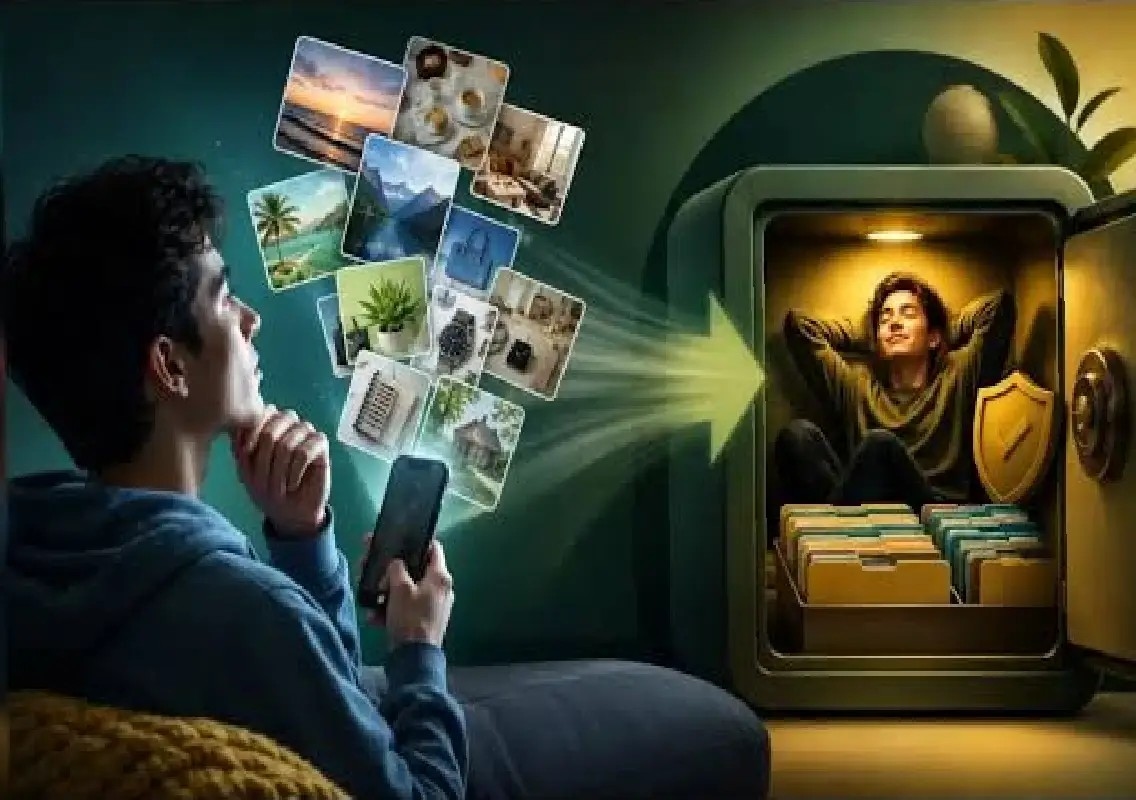


A recipe you never cooked, a dress you never bought, a quote you forgot or a travel destination you never visited — for many people, the phone gallery quietly fills with screenshots that may never be opened again. Yet saving them can bring a surprising sense of reassurance.
Psychology and emerging research into digital hoarding suggest that people may save digital material not only because they need it immediately, but because they want to preserve future possibilities, avoid forgetting something useful or maintain a sense of control.
‘I might need this someday’ can be powerful
One simple reason for saving a screenshot is the fear of losing information. Instead of relying on memory or trying to find the same page again, people capture it and store it on their phones.
The screenshot effectively becomes a form of external memory. Even when it is never viewed again, knowing that the information is available can provide reassurance.
A 2026 scoping review found that digital accumulation can be driven by instrumental, sentimental, control-related and identity-based motivations.
Screenshots can make people feel prepared
The phrase “just in case” can influence digital saving habits. Someone may screenshot a restaurant recommendation, job vacancy or workout routine without having an immediate plan to use it.
Research cited in the source found that anticipated usefulness can encourage digital accumulation. A 2026 study involving 513 users also linked digital hoarding with information utilisation, with self-efficacy and fear of missing out playing mediating roles.
Unlimited storage makes saving easier
Unlike physical belongings, screenshots take up little visible space. Saving one more image does not create an overflowing cupboard or obvious physical clutter.
This can make deletion feel less urgent and encourage people to accumulate information. Digital storage can therefore function as a psychological safety net: the information may not be needed now, but it remains available if circumstances change.
Some screenshots reflect who we want to become
Not every saved image is practical. People may keep pictures of dream homes, fitness goals, inspirational quotes, outfits or destinations they hope to experience.
This can connect with the idea of the extended self, associated with psychologist Russell Belk, where possessions can become connected to how people see themselves. A screenshot can represent not only something a person might need, but also something they aspire to become.
Saving screenshots is not automatically hoarding
Having hundreds or even thousands of screenshots does not by itself indicate a psychological disorder. Research into digital hoarding is still developing, and ordinary digital saving exists across a broad spectrum.
The behaviour becomes more concerning when accumulation becomes difficult to manage, deletion causes significant distress or digital clutter interferes with everyday life.
For most people, however, a crowded screenshot folder may simply reflect a modern habit of collecting information, possibilities and reminders for an uncertain future.