







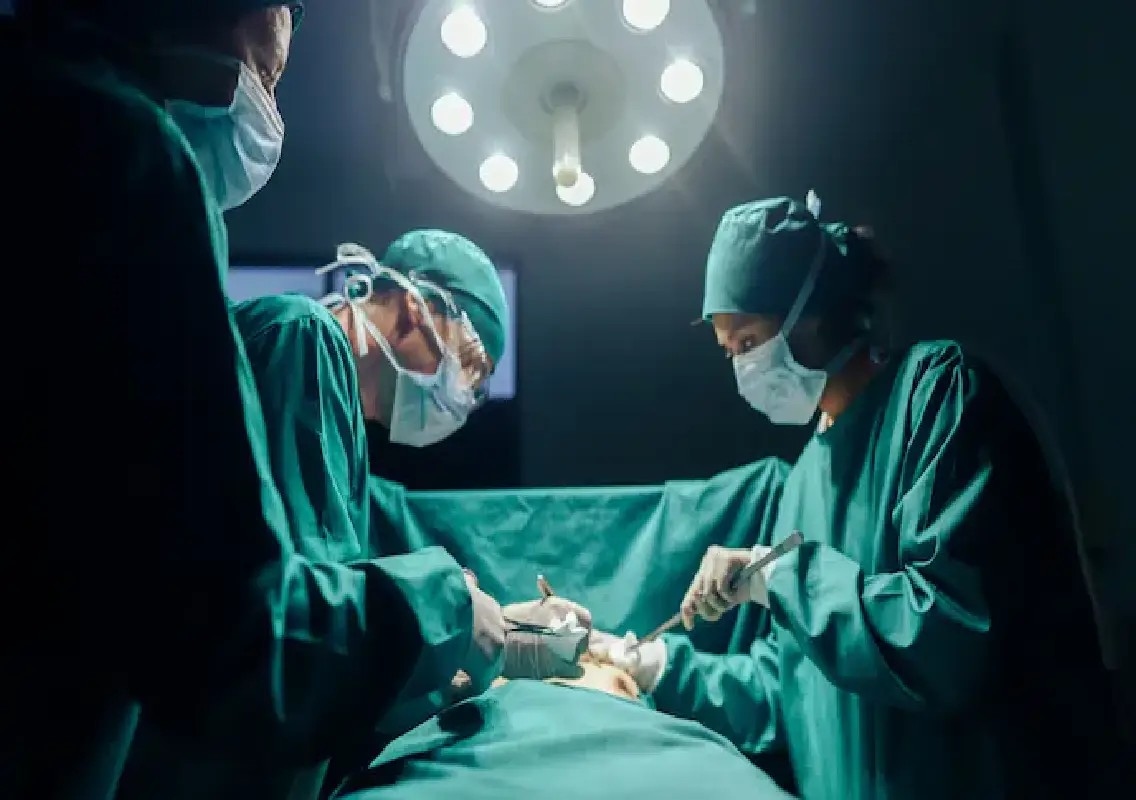


New York: Doctors in the United States have successfully performed the world’s first lung transplant from an HIV-positive donor to an HIV-positive recipient, marking a major breakthrough in organ transplantation and offering fresh hope to thousands of people living with HIV who require life-saving organ transplants.
The landmark procedure was carried out on March 21, 2026, at the New York University (NYU) Langone Health under a special research protocol approved by the US Food and Drug Administration (FDA).
Medical experts have described the surgery as a significant step towards expanding the pool of donor organs available to HIV-positive patients, who have historically faced limited transplant options.
Historic surgery marks medical milestone
The pioneering procedure involved transplanting the lungs of an HIV-positive donor into 56-year-old Bertrand Nelson, who had been living with HIV for nearly 26 years.
The surgery is considered a watershed moment in transplant medicine because organ transplants involving HIV-positive donors and recipients have so far been limited primarily to kidneys, livers and hearts under specialised research protocols.
“This is a watershed moment for the HIV-positive community and represents real progress in creating equity in organ transplantation,” said Dr Sapna Mehta, Clinical Director of the NYU Langone Transplant Institute and one of the architects of the research protocol that enabled the surgery.
Although HIV-positive-to-HIV-positive transplants are currently permitted only under approved research programmes, doctors believe the breakthrough could eventually broaden transplant opportunities for many patients awaiting donor organs.
Patient battled multiple health conditions
The transplant recipient, Bertrand Nelson, was diagnosed with both HIV and sarcoidosis, an inflammatory disease, in 2000.
While the condition initially went into remission, his health deteriorated after he developed Legionnaires’ disease and severe pneumonia in 2021. The sarcoidosis subsequently returned and spread to his liver.
By 2024, his condition had worsened significantly, requiring increasing amounts of supplemental oxygen to breathe.
Nelson was later referred to the NYU Langone Transplant Institute and enrolled in a research programme under the HIV Organ Policy Equity (HOPE) Act, which permits organ transplants involving HIV-positive donors and recipients under approved studies.
Lung and liver transplanted on same day
The complex medical procedure involved not only a lung transplant but also a liver transplant performed on the same day.
The lung transplant surgery was led by Dr Stephanie H. Chang, Surgical Director of Lung Transplantation at NYU Langone, while the liver transplant was carried out by Dr Karim J. Halazun, Surgical Director of Liver Transplantation.
According to Dr Mark Sonnick, a transplant pulmonologist and co-author of the research protocol, lung transplantation involving HIV-positive donors had remained largely unexplored despite successful transplants of other organs.
“Transplantation of HOPE hearts and abdominal organs has been done before, but this has not been done in lung transplantation. It takes a special kind of patient to be willing to do something that hasn’t been done before,” he said.
Patient breathes without oxygen after four years
The surgery has dramatically improved Nelson’s quality of life.
For the first time in four years, he no longer requires supplemental oxygen and is gradually rebuilding his strength after years of restricted mobility caused by his illness.
Nelson said he hopes his experience will inspire others and draw attention to the needs of people living with HIV who are waiting for organ transplants.
“There are so many others who need access to this level of care, and the more organs that become available, the better the odds of finding the right match and living a long life,” he said.
Breakthrough could transform organ donation
Medical experts believe the success of the procedure could pave the way for more HIV-positive organ donations in the future and help address the persistent shortage of donor organs worldwide.
Thanks to advances in antiretroviral therapy (ART), people living with HIV today can lead long and healthy lives, with near-normal life expectancy and significantly improved health outcomes.
The latest breakthrough also highlights the growing recognition that HIV-positive individuals can safely donate organs under carefully regulated conditions, potentially increasing the number of available organs for patients in urgent need.
As transplant science continues to evolve, the world’s first HIV-positive lung transplant represents a major milestone that could reshape organ donation policies and improve survival prospects for thousands of patients living with HIV.