







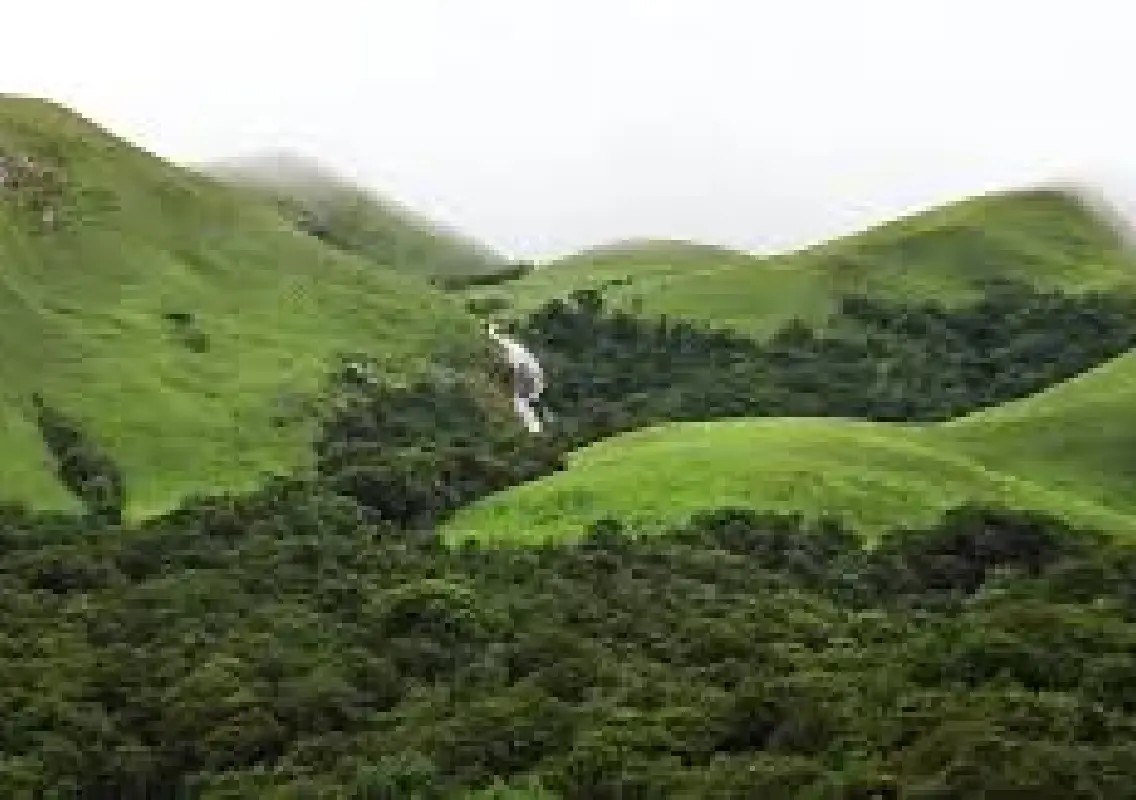


Kulathupuzha : Hidden in the low-lying valleys of the Western Ghats are some of India’s rarest freshwater ecosystems — Myristica swamps, ancient wetland forests that have survived for centuries but are now facing increasing pressure from human activity and environmental change.
These unusual swamps are particularly associated with the Kulathupuzha, Anchal and Shendurney regions of southern Kerala. Research describes them as highly threatened ecosystems with specialised vegetation and significant biodiversity.
Their importance goes far beyond the trees growing in waterlogged soil. Myristica swamps help regulate floods, recharge groundwater and maintain perennial streams, while also providing habitat for distinctive plants, fish, amphibians and other freshwater species.
Yet their survival is becoming increasingly uncertain.
What makes these swamps so special?
Myristica swamps are not ordinary marshes.
They are freshwater swamp forests dominated by members of the Myristicaceae family, including Myristica magnifica and Gymnacranthera farquhariana. Their trees have developed unusual root structures that help them survive in permanently or seasonally waterlogged conditions.
Some of the vegetation is considered primitive in evolutionary terms, giving these forests exceptional scientific value.
Researchers have also recorded high levels of endemism in the ecosystem, meaning several species found there are restricted to particular regions and cannot simply be replaced if their habitats disappear.
This combination of rarity, age and biodiversity makes the swamps an important part of the natural heritage of the Western Ghats.
Their story began in the southern Western Ghats
Myristica swamps were first reported from the Travancore region in 1960.
Early studies identified them in the valleys of Shendurney, Kulathupuzha and Anchal. Later research documented similar ecosystems in other parts of the Western Ghats, including Karnataka and Goa.
The swamps are particularly concentrated in southern Kerala, where their fragmented patches have long been regarded as conservation priorities.
More recent research has also expanded knowledge of their distribution. A 2023 study reported 18 Myristica swamp patches in Ambanar and seven in Punnala in the Pathanapuram forest range, showing that these ecosystems may occur beyond some of their previously known locations.
That discovery is encouraging, but it also underlines the need to identify and protect remaining patches before they disappear.
The trees do a job we rarely notice
The value of a swamp is not always immediately visible.
These forests act as natural water-management systems. Their wet soils and vegetation help regulate water flow, support groundwater recharge and contribute to the continued flow of streams.
In a landscape where extreme rainfall and flooding are increasingly important environmental concerns, such natural systems can provide valuable ecological protection.
The swamps also support a variety of aquatic and terrestrial life.
Studies have recorded endemic fishes, amphibians and freshwater crabs alongside the distinctive swamp vegetation. The ecosystem contributes to nutrient cycling and seed dispersal, linking the wetland with the wider forest around it.
Destroying a swamp therefore means losing much more than a small patch of wet forest.
Why are the swamps disappearing?
The threats are largely connected to changes in land use and human pressure.
Research has identified logging, drainage, plantation expansion and habitat fragmentation among the major pressures affecting Myristica swamps.
Historical studies have also documented the conversion of swamp areas into plantations and paddy fields.
Because these ecosystems require very specific waterlogged conditions, even changes to drainage patterns can affect their survival. Once the natural flow of water is disrupted, the vegetation that depends on those conditions can struggle to regenerate.
Fragmentation creates another problem.
A small isolated swamp may survive for some time, but its ecological connections with surrounding forests and waterways can gradually weaken.
Climate change adds another layer of pressure
The challenges facing the swamps are not limited to direct human disturbance.
Recent scientific reviews have identified tourism, invasive species and climate change among the pressures affecting Myristica swamps. Researchers have described the ecosystem as critically endangered and called for stronger scientific conservation measures.
Climate change can affect rainfall patterns, temperature and water availability — all factors that influence freshwater ecosystems.
For a habitat whose existence depends heavily on particular hydrological conditions, even gradual environmental changes could have serious consequences.
The danger is that damage may not always be dramatic or immediately visible. A swamp can slowly lose its ecological character as water patterns change, invasive species spread and surrounding habitats become fragmented.
Kerala already recognises their importance
The Kerala Forest Department identifies Myristica swamps among the state’s distinctive wetland ecosystems.
It notes that wetlands in Kerala face pressures including urbanisation, pollution, encroachment, reclamation, mining and biodiversity loss.
The Shendurney management plan also describes freshwater swamp forests as being under significant biotic pressure and facing degradation, making their conservation challenging.
The existence of these official conservation concerns shows that protecting the swamps requires more than simply declaring them valuable.
Their hydrology, vegetation and surrounding landscapes must also be protected.
Conservation could not wait much longer
Scientists have increasingly called for stronger protection of these ecosystems.
A 2025 review published in the Botanical Journal of the Linnean Society described Myristica swamps as critically endangered and argued that they deserve greater conservation attention. The authors also suggested considering them for recognition under the Ramsar framework, which could bring greater international recognition and support for research and conservation.
Conservation efforts could include mapping remaining swamp patches, protecting their water sources, controlling invasive species, preventing further conversion and restoring damaged areas.
Scientific documentation is equally important.
Researchers need to know exactly which species survive in each patch and how populations change over time. New technologies such as DNA barcoding can also help accurately identify species and strengthen long-term conservation planning.
A small swamp can hold a very big story
The Western Ghats are globally recognised for their extraordinary biodiversity, but some of their most valuable ecosystems remain relatively little known.
Myristica swamps are among them.
They occupy limited areas, yet they support specialised plants and animals, store and regulate water and preserve an ancient ecological history.Their disappearance would therefore represent more than the loss of another forest patch. It would mean losing a rare freshwater ecosystem that has survived through generations of environmental change.
The question now is whether conservation efforts can move quickly enough to protect what remains.
For these ancient swamps, the water that keeps them alive may also be the key to saving them.