







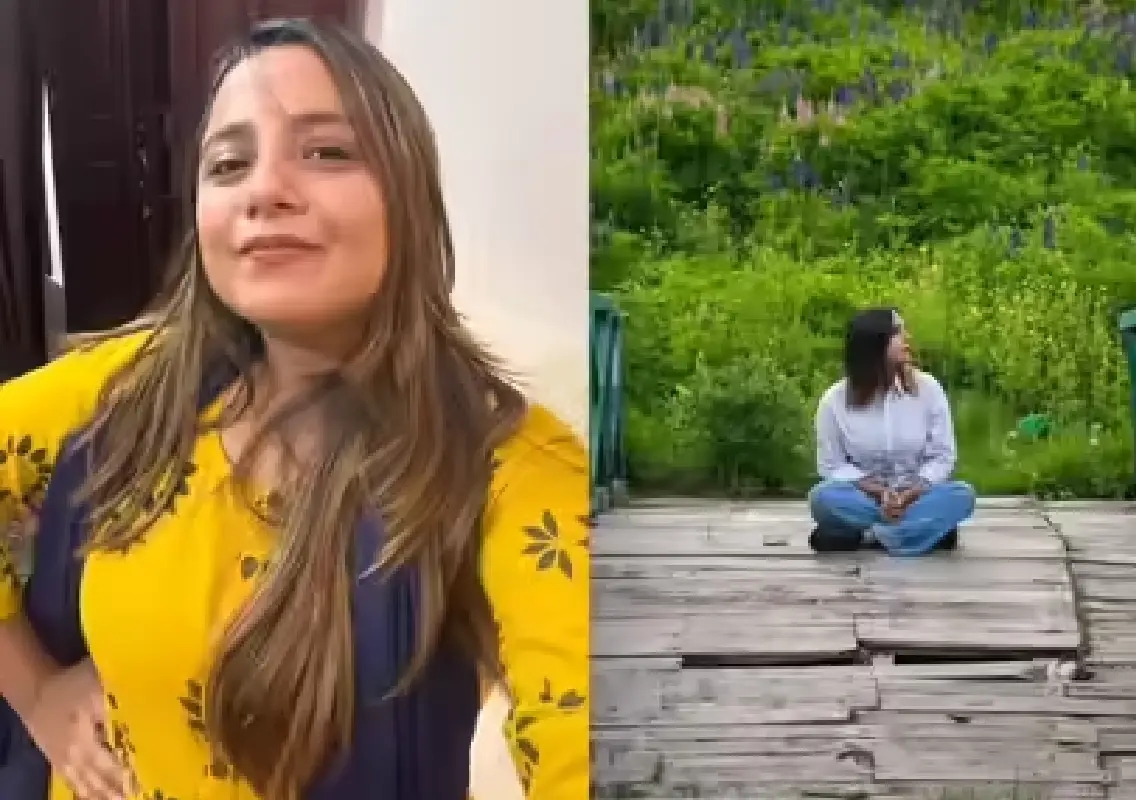


Left on a ventilator at birth and abandoned by her biological parents, Shyamli’s life began with uncertainty. Doctors were unsure she would survive. But a family in Kanpur chose to adopt her, offering love, care and a sense of belonging that became the foundation of her early years.
A childhood shaped by loss and fear
As shared by Humans of Bombay, Shyamli’s stable childhood was shattered when she was six years old. Her adoptive father died of cancer, leaving her mother widowed and vulnerable. Relatives moved in, and the home that once felt safe became a place marked by abuse, violence and fear.
Outwardly, Shyamli remained the “ideal student” — disciplined and well-behaved. Inwardly, constant trauma eroded her confidence and focus. Her slipping academic performance went unnoticed, and at 17, she failed her Class 12 board examinations.
Choosing herself despite the cost
The same year, she cleared her exams through the National Institute of Open Schooling (NIOS). More importantly, she made the painful decision to distance herself from those who harmed her. Cutting ties meant isolation, but Shyamli believed survival required choosing herself.
After taking a year to regroup and prepare for entrance exams, she secured admission to NIFT Srinagar in 2017 — a move that changed everything.
Healing far from home
Living in Kashmir gave Shyamli distance from her past and space to breathe. For the first time, she experienced freedom and began rebuilding her identity. Healing, however, was not linear. During the pandemic, unresolved trauma resurfaced as anxiety, depression and panic attacks, affecting her career and relationships.
Redefining success
Now 28, Shyamli describes herself as a solo traveller rebuilding life at her own pace. While comparisons still arise, her definition of success has shifted — from conventional milestones to independence, travel and inner peace.
By sharing her story, she hopes other women know that walking away from harm is allowed, and that survival itself is a powerful form of success.