









A Delhi resident’s social media video showing his air purifier turning completely black with dust in just two weeks has sparked widespread alarm over the capital’s worsening air pollution. The clip, posted on Instagram by user Abhishek Bajpai, has gone viral, serving as yet another disturbing reminder of the toxic air residents are forced to inhale as the city remains blanketed in dense smog.
Bajpai shared the video in which he is seen ordering an air purifier through an online delivery platform, unboxing it, and later opening the machine to reveal its filter clogged with thick layers of dust. The filter, originally white, had turned completely black after continuous use. His caption, “Delhi is killing your lungs,” has resonated widely with users expressing concern, frustration and a sense of helplessness.
The video has quickly become a symbol of the severity of Delhi’s air crisis, with many users calling the situation “frightening” and “unlivable.”
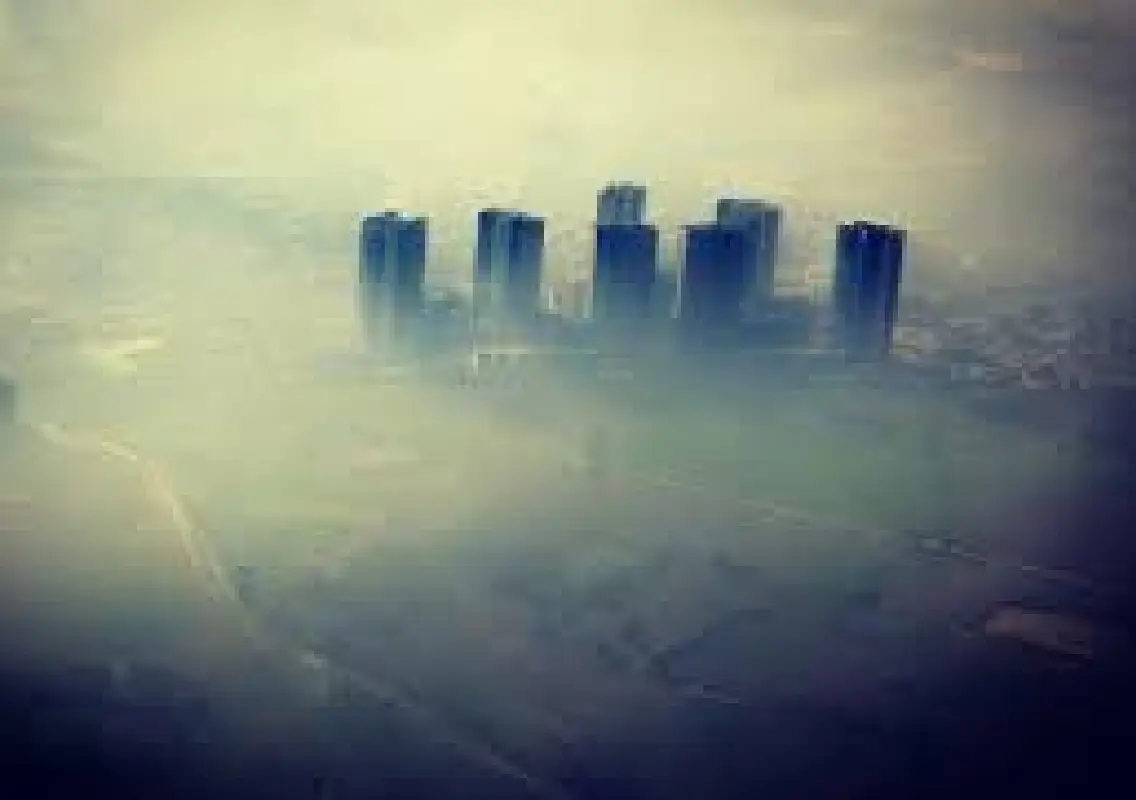
Severe smog grips the city
Delhi woke up on Thursday to yet another morning shrouded in thick smog, continuing a trend of deteriorating air quality through the week. According to the Central Pollution Control Board (CPCB), the average Air Quality Index (AQI) at 8 am stood at 405—firmly in the ‘severe’ category.
This reading showed only a marginal improvement from Wednesday’s AQI of 418 at 4 pm. On Tuesday, the AQI had touched a high of 428, the worst since December 19 last year, when it had peaked at 451.
For residents, the visual evidence in the form of the clogged air purifier filter has added a tangible representation of what the hazardous numbers mean for daily life. For many, it has sparked fears about invisible pollutants accumulating in their homes, even with protective devices.
Emergency restrictions under GRAP Stage III
In response to the rapid spike in toxic air, the Commission for Air Quality Management (CAQM) in the National Capital Region has enforced Stage III of the Graded Response Action Plan (GRAP). These emergency measures were activated on Tuesday and include:
- A complete ban on non-essential private construction activities
- Restrictions on private BS-III petrol and BS-IV diesel vehicles
- Curbs on the operation of diesel gensets
- Intensified monitoring of industrial emissions across NCR
- Mechanical sweeping and frequent water sprinkling on major roads
The restrictions cover Delhi, Gurugram, Faridabad, Ghaziabad and Gautam Budh Nagar, aiming to control the emission load during one of the worst pollution spells of the season.
Officials have stated that if conditions worsen, GRAP Stage IV—imposing even stricter curbs—could be considered.
Schools shift to hybrid learning mode
The Department of Education has issued instructions mandating that primary schools up to Class 5 transition to hybrid mode. This allows both online and offline classes but significantly reduces children’s exposure to toxic outdoor air.
Experts warn that young children remain among the most vulnerable groups, often facing long-term respiratory damage from prolonged exposure to polluted air.
How Delhi reached this crisis point
The city’s annual winter pollution cycle is driven by multiple overlapping factors:
- Stubble burning in neighbouring states
- Vehicle emissions
- Construction activities
- Industrial pollutants
- Low wind speed trapping pollutants
- Temperature inversion, preventing dispersal of toxic particles
While authorities have enforced multiple layers of restrictions, the short-term measures have offered limited relief.
Conclusion
The viral video of the clogged air purifier has intensified public discourse on Delhi’s chronic pollution crisis, providing a stark visual reminder of what residents breathe daily. With AQI levels firmly in the ‘severe’ range, authorities continue to enforce emergency measures while citizens brace for the long winter ahead, hoping for a respite that remains uncertain.