


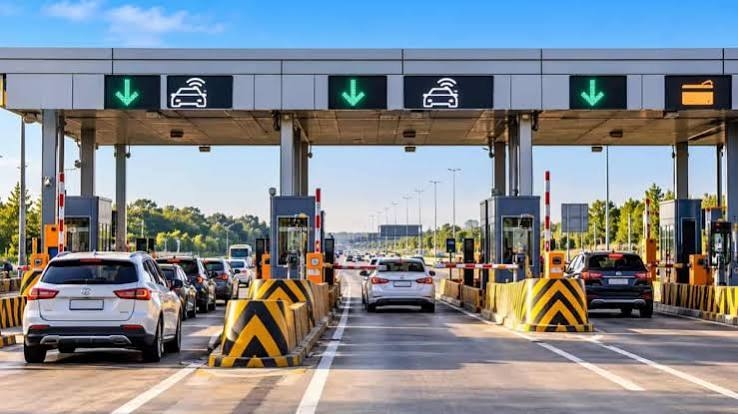


New Delhi: The Government of India has introduced an annual concessional local pass for eligible non-commercial vehicle owners living within 20 km of national highway toll plazas, offering an alternative to the existing monthly pass. The new facility will come into effect on November 1, 2026, with annual fees set at Rs 1,500 or Rs 3,000, depending on the location of the toll plaza.
The initiative is intended to reduce commuting expenses for residents who regularly travel through toll plazas near their homes. Under the new provision, eligible vehicle owners with a valid and functional FASTag can opt for the annual pass for travel through a specific toll plaza.
The pass will be valid only at the plaza for which it is issued and cannot be transferred to another toll location. The facility will also be subject to conditions governing the type of road and availability of alternative routes.
Annual local toll pass: What are the charges?
The annual fee will depend on whether the toll plaza is located within or outside municipal or local town limits.
| Toll plaza location | Annual pass fee |
|---|---|
| Outside municipal or local town limits | Rs 1,500 |
| Within municipal or local town limits | Rs 3,000 |
The government may revise the rates annually, with any changes taking effect from April 1.
The annual pass is designed for eligible local residents who frequently use a particular toll plaza. By paying a fixed annual fee, they will have an alternative to the existing monthly pass arrangement, subject to the scheme’s eligibility and operating conditions.
The different fee structure means residents will need to check the classification of their relevant toll plaza before opting for the facility.
Who is eligible for the concessional local pass?
The scheme is intended for owners of non-commercial vehicles residing within 20 km of an eligible national highway fee plaza.
Applicants must have a valid and functional FASTag to use the facility. The pass will apply only to the specific toll plaza for which it is obtained.
The 20-km distance requirement is central to eligibility. However, living within the specified radius alone does not guarantee access to the pass, as the toll plaza must also meet the scheme’s conditions.
Vehicle owners should confirm the eligibility requirements and availability of the facility at their local plaza before making arrangements.
Where will the annual pass not be available?
The concessional local pass will not apply to every national highway toll plaza.
It will not be available on national highways or expressways that operate under a closed user-fee collection system. The facility will also not be issued at toll plazas where a service road or alternative route is available for local commuters.
These exclusions mean that residents living within 20 km of a toll plaza may still be ineligible if the road or plaza falls under one of the specified categories.
The restrictions are intended to define where the concession can be used rather than make it a universal pass for all toll roads.
The pass is also location-specific. It cannot be used at another toll plaza, even if the vehicle owner lives within the required distance of both locations.
When and where can residents obtain the pass?
The annual local pass will be available at eligible toll plazas from November 1, 2026.
Residents will also be able to access the facility through the Rajmargyatra app from December 1, 2026. This means the pass will first become available at eligible plazas, followed by the app-based option a month later.
Vehicle owners planning to use the scheme should check with their relevant toll plaza regarding the application process, documentation and activation requirements. The availability of the pass will depend on whether the plaza is covered by the scheme.
The government has not made the concession transferable between locations, so applicants should ensure they select the toll plaza they use regularly.
Rules amended under the National Highways Act
The new provision has been notified through the National Highways Fee (Determination of Rates and Collection) (Fifth Amendment) Rules, 2026, under the National Highways Act, 1956.
The amendment establishes the framework for the annual concessional pass and sets out the fee structure and conditions governing its availability.
The introduction of the annual option adds another arrangement for eligible local commuters who regularly use national highway toll plazas. The existing monthly pass remains relevant for motorists who do not opt for the annual facility or do not meet its conditions.
FASTag network supports the new facility
The government said more than 13 crore FASTags have already been issued across the country. The existing electronic toll collection network provides the infrastructure through which the new pass will be made available to eligible motorists.
The annual concession is intended to make travel more economical for people living near national highway fee plazas and improve ease of commuting and “Ease of Living”.
For frequent local users, the annual pass could provide a predictable toll expense instead of recurring monthly payments. However, the actual benefit will depend on the applicable fee, the frequency of travel and whether the relevant plaza qualifies under the scheme.
What motorists should check before applying
Before opting for the annual local pass, vehicle owners should confirm three key details: whether their residence falls within the 20-km eligibility limit, whether their vehicle and FASTag meet the requirements, and whether the toll plaza is covered by the scheme.
They should also check whether a service road or alternative route is available, as this can make the plaza ineligible for the concession. The applicable annual fee will depend on the plaza’s location in relation to municipal or local town limits.
With the facility scheduled to begin on November 1, eligible residents can check with their local toll plaza for availability and application details. The Rajmargyatra app option is expected to follow from December 1.
The new annual pass gives qualifying non-commercial vehicle owners another option for managing toll expenses, but its benefits will depend on the specific plaza and the conditions set out under the amended rules