







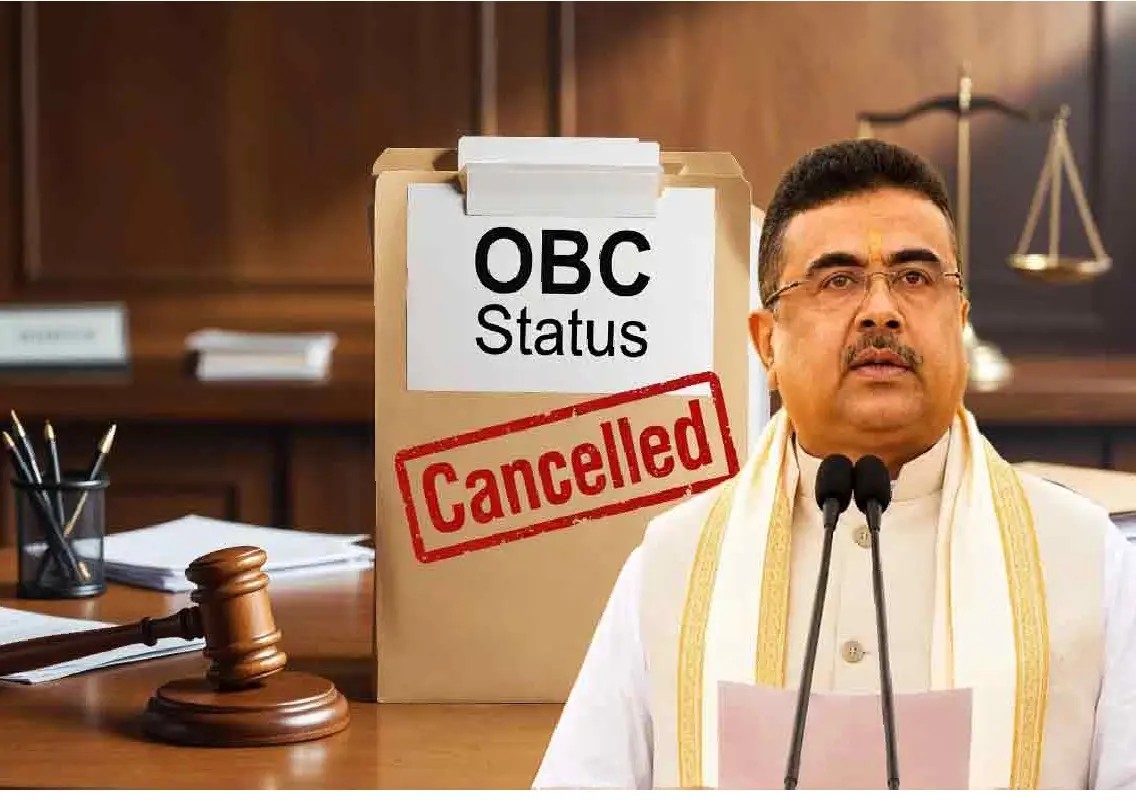


The West Bengal government has removed 77 communities from the state’s Other Backward Classes (OBC) list following directions arising from a court ruling, leading to a reduction in the number of communities eligible for reservation benefits.
The move follows the implementation of the Calcutta High Court judgment, which had set aside the inclusion of several communities in the OBC list on procedural grounds. The court had observed that the process followed for granting OBC status required fresh evaluation in accordance with constitutional and statutory requirements.
OBC list revised
With the latest revision, the affected communities will no longer be eligible for reservation benefits under the state OBC category unless they are reclassified through the prescribed legal process.
The state government is expected to undertake a fresh assessment of communities seeking OBC status based on recommendations from the appropriate commission.
Political and legal reactions
The decision has triggered political reactions, with leaders from different parties expressing contrasting views on the revision. While some welcomed the implementation of the court’s directions, others raised concerns about its impact on communities that had been receiving reservation benefits.
The issue has also renewed discussions on how backward class status should be determined and the importance of following due legal procedures while preparing reservation lists.
Reservation policy under focus
Reservation for OBC communities is intended to provide educational and employment opportunities to socially and educationally backward groups. Experts note that any inclusion or exclusion from such lists must comply with constitutional principles and judicial guidelines.
The revised list is expected to have implications for admissions and recruitment under the state reservation policy. Authorities are likely to issue further notifications regarding the implementation of the revised OBC classification.