







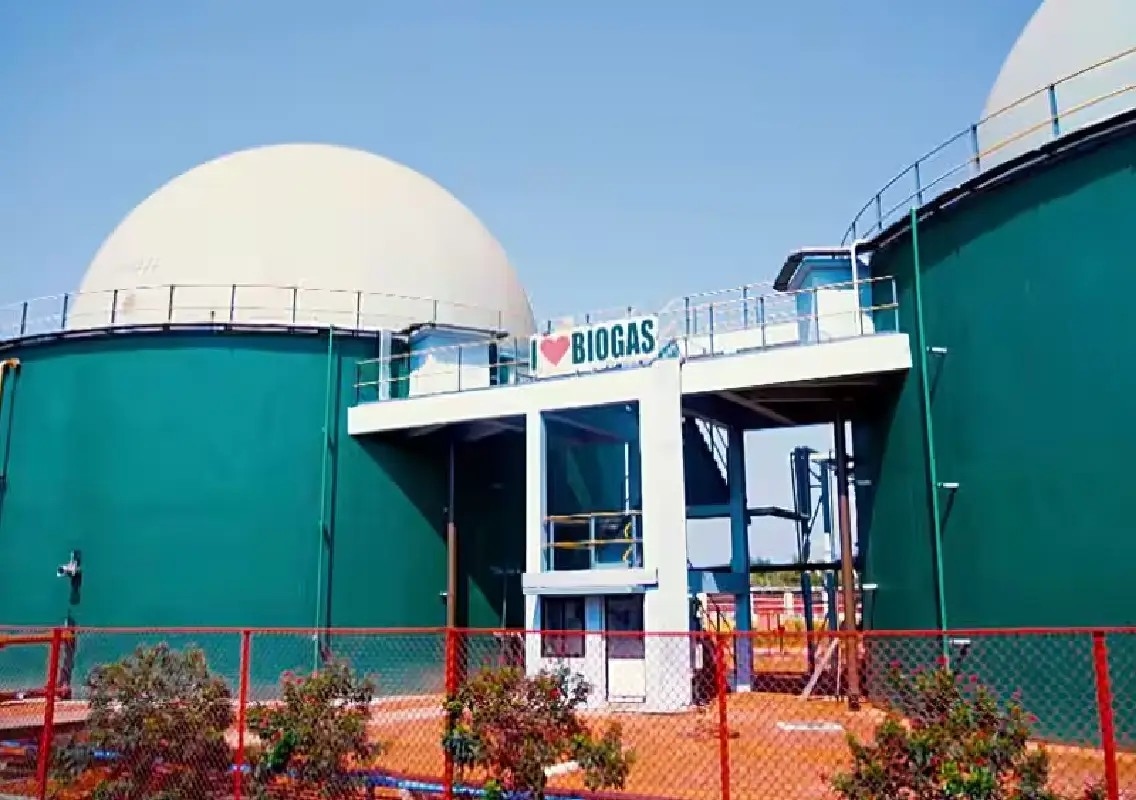


New Delhi: The Centre has approved the GOBARdhan National Circular Bioenergy Scheme, a major initiative aimed at expanding India’s compressed biogas (CBG) sector and turning organic waste into clean energy. The scheme has a total outlay of Rs 23,731 crore and will run from 2026-27 to 2035-36.
The move follows an earlier announcement that the Centre would launch the Sampoorn Gobardhan Scheme on August 10, coinciding with World Biofuel Day, with measures including higher assured procurement prices and enhanced capital subsidies for new CBG projects.
Focus on faster CBG production
The initiative is designed to address challenges that have slowed the growth of the sector under the Sustainable Alternative Towards Affordable Transportation (SATAT) programme.
According to the source report, only 219 CBG plants were operational against a target of 5,000 under SATAT, despite more than 1,094 Letters of Intent being issued. The new framework is intended to improve the financial viability of projects and encourage faster investment.
The government expects the revised support measures to help establish another 600–700 CBG plants over the following year.
Turning waste into clean energy
GOBARdhan will use resources such as agricultural residue, cattle dung, press mud, municipal organic waste and other biomass to produce clean fuel and organic manure. The government expects the scheme to increase domestic CBG production nearly ten-fold while creating opportunities for farmers, rural entrepreneurs and private investors.
The initiative also comes as CBG blending requirements are being progressively increased. The mandatory blending target has risen to 3% for 2026-27, from 1% in 2025-26, and is scheduled to reach 5% from 2028-29 onwards.
The scheme is expected to strengthen India’s clean-energy transition while promoting a circular economy in which organic waste is converted into economic value.