







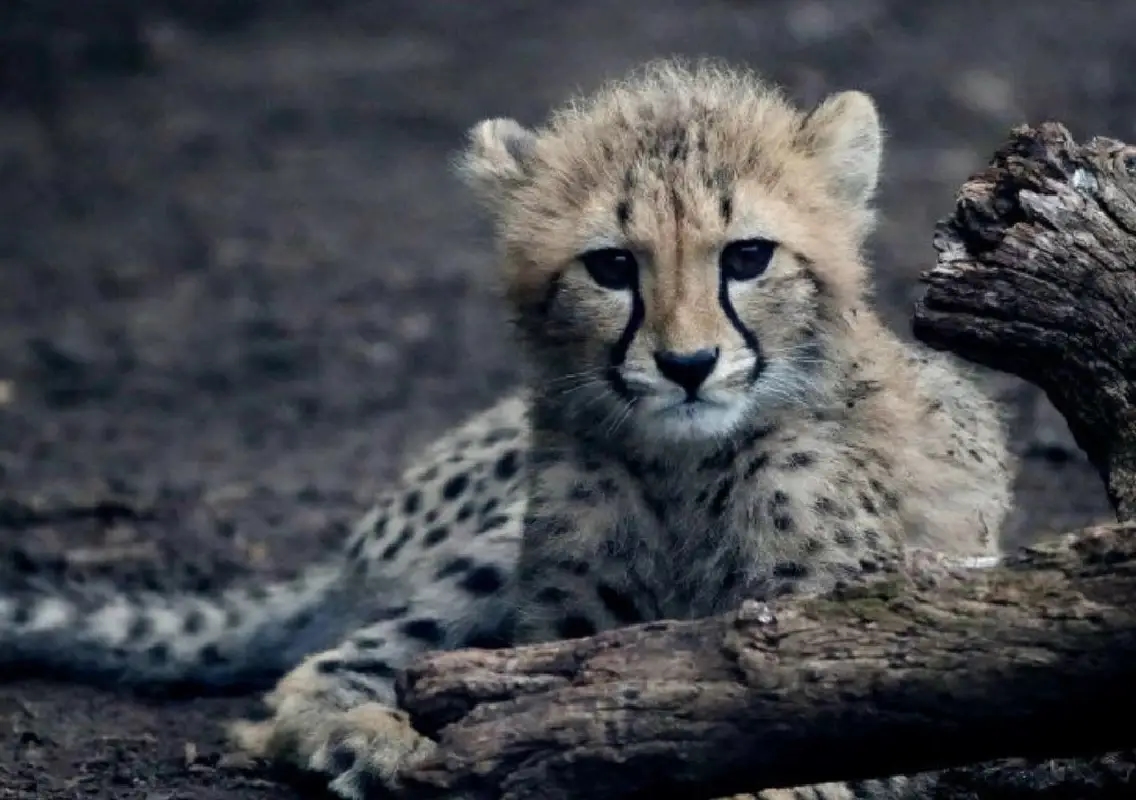


India’s ambitious cheetah reintroduction programme suffered another setback on Sunday when a 26-month-old cub of South African cheetah Gamini was killed by a speeding vehicle on the Agra–Mumbai Highway near Gwalior. The incident unfolded in full view of a Forest Department tracking team monitoring the sub-adult’s movements overnight.
Fatal collision on the Agra–Mumbai Highway
According to forest officials, the satellite-collared cheetah attempted to cross the busy corridor between 5 and 6 am when a Rajasthan-bound vehicle from Gujarat struck it at high speed, killing it instantly. CCTV footage from multiple points along the highway enabled authorities to identify the suspect vehicle, which was intercepted near Kota hours later.
A joint inquiry is under way to determine whether excessive speed, low visibility or driver negligence was responsible for the collision. Officials noted that the stretch of the highway involved is one of India’s busiest freight routes, bisecting key wildlife movement zones.
Second cheetah death in 72 hours
The incident comes just three days after another cub died inside Kuno National Park, reportedly after falling from a height. That cub had been released into the wild by Chief Minister Dr Mohan Yadav on World Cheetah Day, and a detailed postmortem report is pending.
Senior officers described Sunday’s death as “a significant setback”, particularly because dispersing sub-adults face heightened risks while exploring new territories beyond the protected core zone.
A typical dispersal pattern turns deadly
At 26 months, Gamini’s cub had entered the exploratory phase, travelling long distances at night. “Gamini and her cubs had been near the highway for the last few days,” an officer said, adding that the animal’s movement corridor intersected with the national highway, creating a high-risk situation.
Forest staff removed the carcass and transported it to Kuno, where a panel of wildlife veterinarians will conduct a postmortem. The findings, along with statements from the intercepted driver, will form part of the investigation.
Conservationists call for structural safety measures
Sunday’s roadkill underscores longstanding concerns about the vulnerability of cheetahs navigating fragmented landscapes in India. Conservationists have repeatedly warned that high-speed highways bordering protected areas pose grave risks to wide-ranging carnivores.
Experts say that speed regulation zones, early-warning systems, camera monitoring, and wildlife underpasses must now be prioritised along key dispersal pathways. The Agra–Mumbai Highway has been identified for years as a potential danger zone for big cats moving between forest blocks.
Wildlife activist Ajay Dubey said accountability must be “fixed at the highest level”, noting that repeated warnings about landscape fragmentation and human-induced threats have gone unaddressed.
Project Cheetah grapples with mixed outcomes
Launched in 2023 to restore cheetahs to India after seven decades, Project Cheetah has witnessed both successes and challenges. Mortality among relocated cheetahs has been linked to disease, heat stress, conflict wounds, infection and now road traffic collisions.
Officials said a detailed report on the latest death will be submitted to the National Tiger Conservation Authority (NTCA). Teams at Kuno have intensified monitoring of remaining sub-adults in the landscape to track risk zones and prevent further casualties.
As India continues its experiment of reintroducing cheetahs into human-dominated environments, Sunday’s fatality stands as a sombre reminder of the urgent need to integrate landscape-level safety engineering with wildlife conservation.