







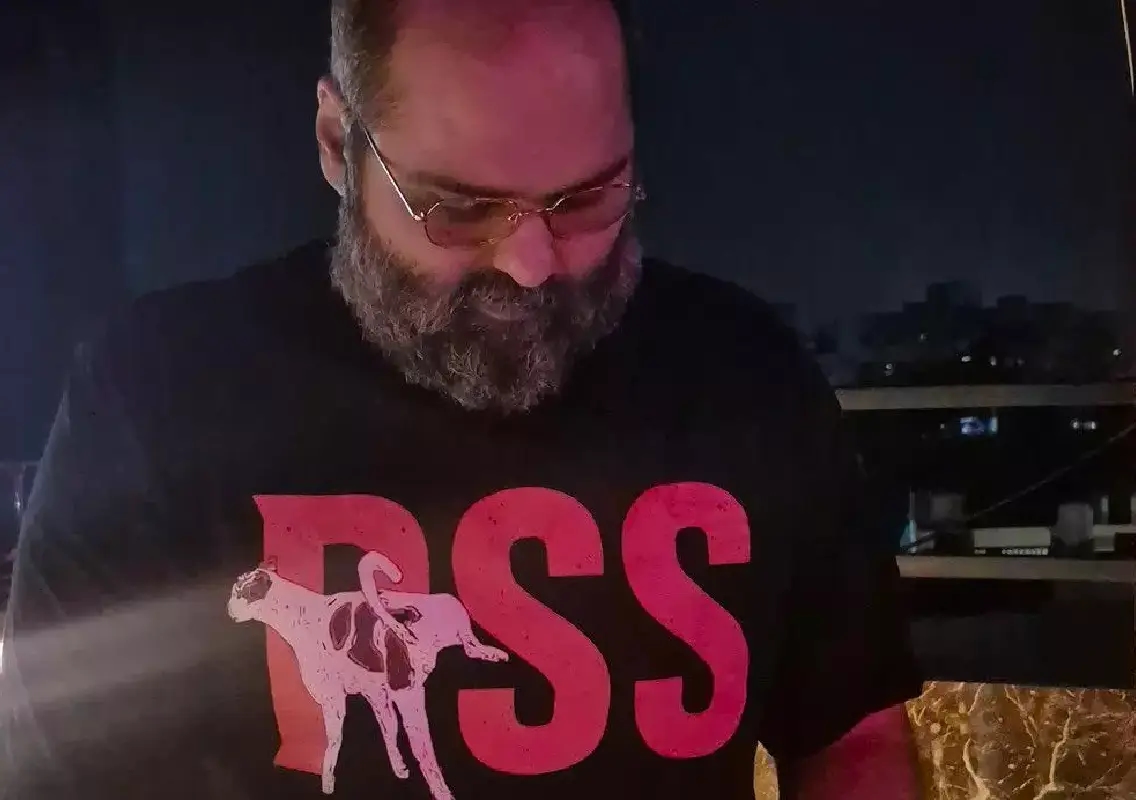


Comedian Kunal Kamra has once again found himself at the centre of a political storm after a photograph of him wearing a T-shirt allegedly mocking the Rashtriya Swayamsevak Sangh (RSS) went viral on Monday. The post, shared on his social media handles, has triggered sharp reactions from the Bharatiya Janata Party (BJP) and its Maharashtra ally, the Shiv Sena, with senior leaders warning of action.
BJP, Shiv Sena leaders demand action
The controversy escalated on Tuesday after BJP leader Chandrashekhar Bawankule criticised the comedian’s gesture, calling the post “objectionable”. Speaking to reporters, he said that the police “would take action against anyone who puts out such objectionable posts”, indicating that legal scrutiny may follow.
Shiv Sena cabinet minister Sanjay Shirsat also condemned the comedian’s post, arguing that Kamra had crossed a line by directly targeting the RSS. He asserted that the national saffron organisation must issue a firm response, given the comedian’s past remarks against prominent political leaders.
“Earlier, he targeted Prime Minister Narendra Modi and (Maharashtra Deputy CM) Eknath Shinde, and now he has dared to attack the RSS. The BJP needs to respond strongly,” Shirsat said. He added that the Shiv Sena had already responded in the past when Kamra’s jokes were directed at Eknath Shinde, and insisted that this latest provocation merited a similar reaction.
What triggered the latest row
The controversy stems from a photograph of Kamra wearing a T-shirt bearing artwork that appeared to ridicule the RSS. The design, though not explicitly detailed in the statements made by political leaders, was deemed insulting by several ruling party members and RSS supporters across Maharashtra.
The post quickly gained traction online, leading to calls from some groups for action against Kamra. His critics allege that he has made a habit of attacking national political figures, while his supporters argue that comedians should be free to express themselves through satire.
This is not the first time that Kamra’s political commentary has drawn criticism from the ruling establishment. The comedian, known for his outspoken stand-up routines and satire on current affairs, has often walked the thin line between humour and controversy.
The Kamra–Shinde row: A history of friction
Kamra’s strained relationship with Maharashtra’s political leadership dates back to earlier this year. In March, during one of his stand-up routines, he modified the lyrics of a popular Hindi film song to mock the political career of Deputy CM Eknath Shinde. The joke, which circulated widely on social media, was met with anger from Shiv Sena members.
The fallout turned dramatic when a group of alleged Shiv Sena supporters vandalised the Habitat Comedy Club in Mumbai’s Khar, where Kamra was scheduled to perform. The premises of the hotel in which the club operates were also damaged during the attack. Although no major injuries were reported, the incident drew criticism from across the political spectrum, with many arguing that violence cannot be justified as a response to artistic expression.
The police later registered a case regarding the vandalism, but the political tensions between Kamra and Shinde’s supporters have remained palpable ever since.
Larger debate on satire and political tolerance
Kamra’s latest post has reignited a broader debate about the space for satire, dissent, and freedom of artistic expression in India. While the government’s supporters argue that certain symbols and institutions must not be mocked, free speech advocates insist that humour and criticism are essential elements of a robust democracy.
Legal experts point out that if a complaint is filed, police may examine whether the post amounts to promoting enmity or causing public disorder under relevant sections of the Indian Penal Code. However, the threshold for prosecution depends on the content, intent, and impact of the post.
With both the BJP and Shiv Sena taking strong positions, the matter may escalate in the coming days, especially as political sensitivities remain high. For now, Kamra has not issued a public response to the backlash, though he has a history of addressing controversies either through humour or pointed commentary.
Conclusion
The incident marks yet another flashpoint in the ongoing tussle between political figures and outspoken entertainers. As the debate intensifies, it brings into focus questions about the boundaries of satire and the responsibilities of public figures in navigating an increasingly polarised political environment.