







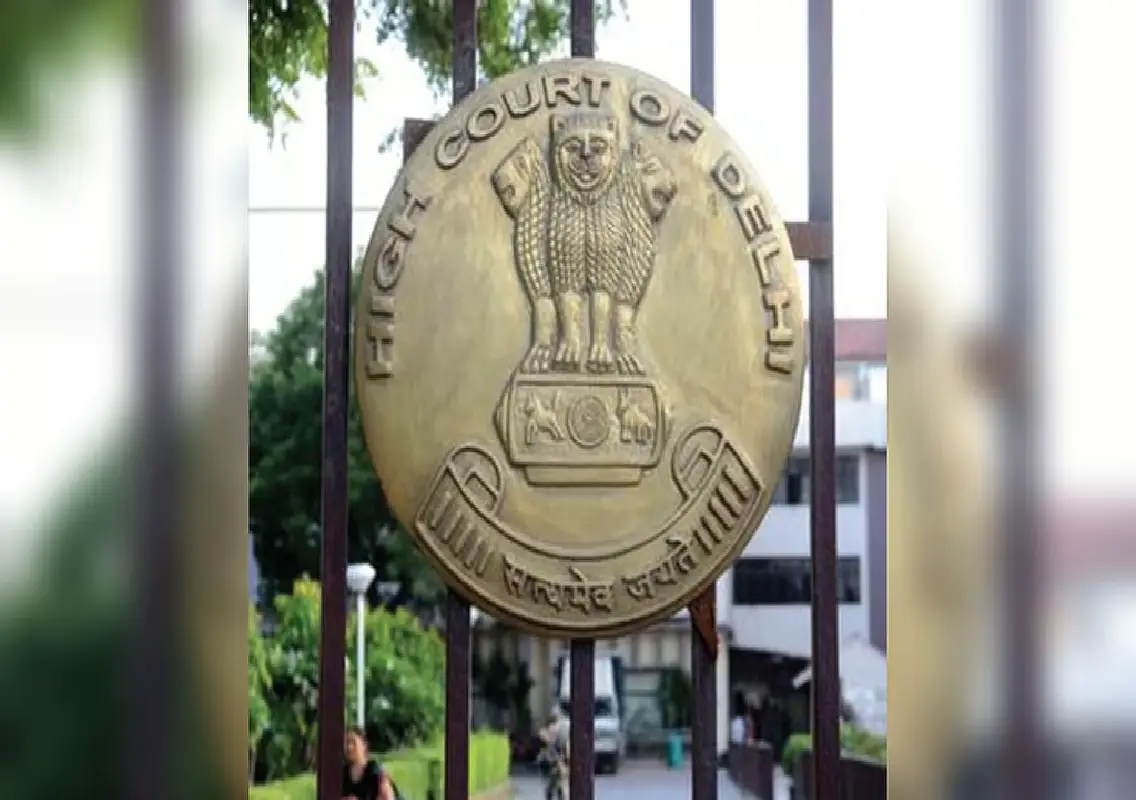


New Delhi: The Delhi High Court has ruled that the Food Safety and Standards Authority of India does not have the authority to prescribe standards for animal feed, clarifying that its mandate is restricted to food meant for human consumption.
A Division Bench comprising Chief Justice Devendra Kumar Upadhyaya and Justice Tejas Karia delivered the verdict while quashing specific regulatory requirements imposed by the food authority.
Ban on certain animal feed ingredients struck down
The court set aside a provision that prohibited the use of meat or bone meal in feed for milk- and meat-producing animals, except poultry, pigs and fish. The restriction was part of Note (c) appended to Regulation 2.5.2 of the Food Safety and Standards (Food Products Standards and Food Additives) Regulations, 2011.
The bench observed that the definition clauses under the relevant law do not include animal feed or cattle feed within the scope of “food,” thereby limiting FSSAI’s jurisdiction.
“In absence of specific inclusion of any substance as food for animal consumption… all the functions of the Food Authority… are in relation to food for human consumption,” the court noted.
FSSAI’s defence rejected by court
During the hearing, FSSAI argued that it has the authority to regulate such standards to ensure food safety and protect public health. It cited concerns raised by the Department of Animal Husbandry, particularly regarding potential risks linked to dairy imports.
However, the court rejected this argument, stating that extending its regulatory framework to animal feed would go beyond the statutory powers granted to the authority.
BIS certification cannot be mandated
The court also held that FSSAI cannot mandate certification under the Bureau of Indian Standards for commercial animal feed.
It clarified that making BIS standards mandatory falls within the domain of the central government and the Bureau itself, as per the BIS Act.
The bench struck down FSSAI directions issued between 2019 and 2021 that required BIS certification for animal feed, terming them beyond the authority’s jurisdiction.
Legal clarity on regulatory boundaries
The ruling provides clarity on the separation of regulatory powers between different authorities, particularly in areas concerning food safety and animal husbandry.
Legal experts say the judgment could have significant implications for the animal feed industry, potentially easing compliance burdens and reshaping regulatory oversight.
Other case before the court
In a separate matter, Congress MLA Rajendra Bharti approached the Delhi High Court challenging his conviction and three-year jail term in a cheating and forgery case linked to Gramin Vikas Bank records.
Justice Swarana Kanta Sharma issued notice to the prosecution and the Election Commission, seeking responses by April 15.
Conclusion
The Delhi High Court’s ruling marks a significant interpretation of the FSSAI’s statutory limits, reinforcing that its regulatory authority applies strictly to food for human consumption. The decision is expected to influence future policymaking and regulatory actions concerning animal feed standards in India.