







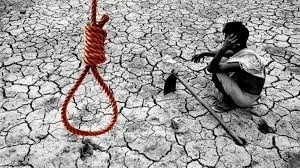


A 32-year-old farmer allegedly died by suicide after consuming poison in the Aron area of Guna district, with his family accusing private moneylenders of sustained harassment. This is the third such death linked to alleged creditor pressure reported from the area in the past week.
The deceased has been identified as Bhura Khan, son of Rahis Khan, a resident of Aron.
Consumed poison at home, declared dead at hospital
According to police officials, Bhura Khan consumed poison on Saturday night. He was initially rushed to the Aron hospital and later referred to the district hospital in Guna, where doctors declared him dead during treatment.
His body was kept in the mortuary overnight and handed over to the family after a post-mortem examination conducted on Sunday morning.
Family alleges sustained pressure from lenders
Bhura Khan’s family alleged that he had taken loans from several private individuals and was under constant pressure to repay the amounts. They claimed repeated demands and threats from moneylenders had pushed him into severe mental distress.
According to the family, Bhura had also purchased a tractor on loan and had paid seven instalments of ₹40,000 each. Five instalments were still pending at the time of his death.
His father alleged that a private creditor recently visited their house and demanded that a plot of land be transferred in his name in exchange for clearing pending dues.
‘Paid nearly ₹30 lakh, yet pressure continued’
Family members claimed they had already paid nearly ₹30 lakh over time in an attempt to help Bhura clear his debts. Despite this, they said the outstanding amount kept increasing due to interest and fresh demands.
Relatives said Bhura had been visibly distressed in recent months and often spoke about the mounting pressure from lenders.
Police probe underway
Police officials said they are examining the circumstances surrounding the death. Statements from family members are being recorded, and further action will be taken based on the post-mortem report and evidence collected during the inquiry.
The incident has once again drawn attention to the growing crisis of farmer indebtedness and the role of private moneylenders in rural areas, where access to institutional credit remains limited.