







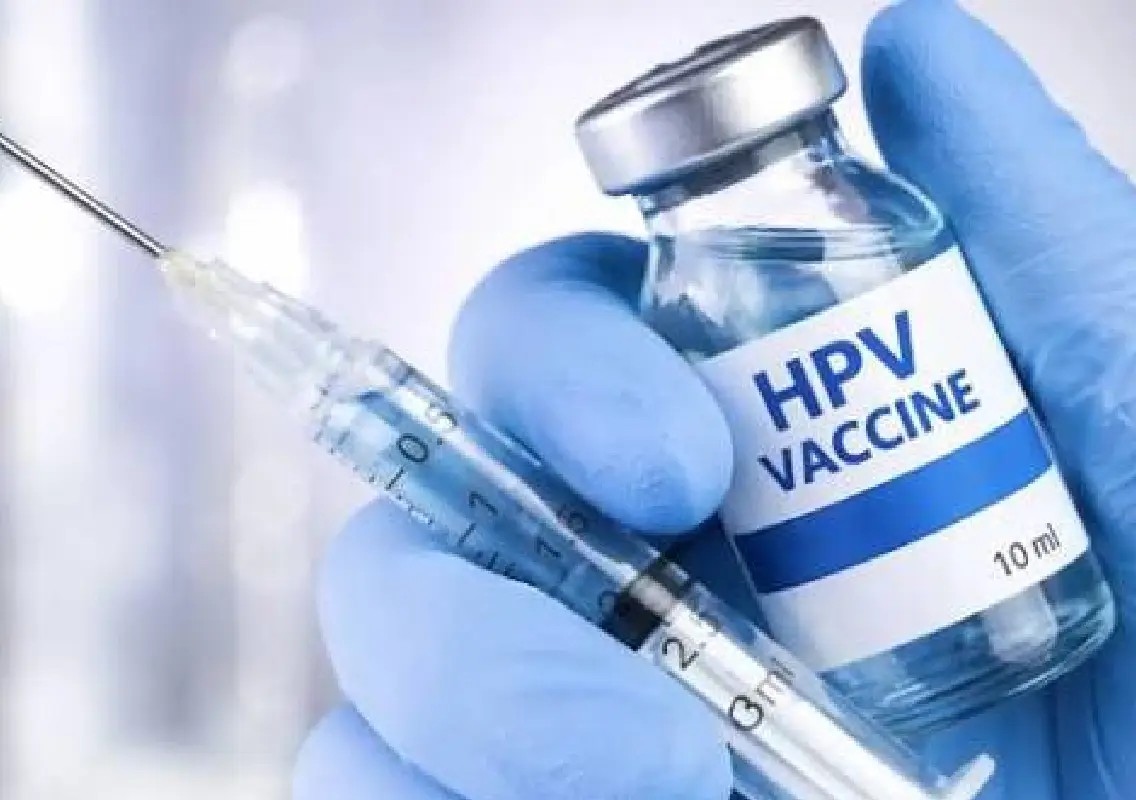


New Delhi : India has crossed the milestone of 80 lakh human papillomavirus (HPV) vaccinations under a nationwide campaign aimed at preventing cervical cancer among adolescent girls, according to the Health Ministry.
The vaccination drive focuses on girls aged 14 and is part of the country’s broader efforts to strengthen cervical cancer prevention through immunisation and early intervention.
The milestone marks a significant step in expanding access to HPV vaccination and raising awareness about one of the most preventable forms of cancer affecting women.
Nationwide vaccination campaign
The HPV vaccination programme has been designed to reach eligible adolescent girls through public health facilities and organised vaccination sessions across the country.
HPV infection is the primary cause of cervical cancer. Vaccination against HPV can substantially reduce the risk of infection with cancer-causing HPV types and is considered an important tool in cervical cancer prevention.
By focusing on girls around the age of 14, the programme aims to provide protection before potential exposure to HPV.
The achievement of more than 80 lakh vaccinations reflects the scale of the public health effort and the participation of families, healthcare workers and state health authorities.
Focus on preventing cervical cancer
Cervical cancer develops in the cervix and is most commonly associated with persistent infection with high-risk types of HPV.
Although cervical cancer can be prevented through vaccination, screening and timely treatment of precancerous changes, it continues to pose a major health challenge in India.
HPV vaccination provides an important first line of prevention. However, health experts emphasise that vaccination does not replace cervical cancer screening later in life, as vaccinated women can still require screening according to recommended guidelines.
The combination of vaccination, screening and timely treatment can significantly reduce illness and deaths associated with the disease.
Importance of reaching adolescent girls
Adolescence provides an important opportunity for preventive healthcare interventions.
Vaccinating girls before HPV exposure can offer stronger protection against infections that may later contribute to cervical cancer. The nationwide campaign also provides an opportunity to educate families about HPV, vaccination and women’s health.
Public awareness remains crucial because misconceptions and limited information about HPV vaccination can sometimes discourage families from seeking immunisation.
Healthcare workers therefore have an important role in explaining the benefits and safety of the vaccine and addressing concerns raised by parents and guardians.
Public health milestone
Crossing 80 lakh vaccinations represents a substantial achievement for India’s cervical cancer prevention efforts.
The scale of the programme also highlights the importance of coordination between the Centre, state governments, healthcare workers, schools and communities.
Ensuring that eligible girls in rural, remote and underserved areas are reached will remain an important part of the campaign. Equal access is essential if the benefits of HPV vaccination are to extend across different sections of society.
The programme can also contribute to a broader shift towards preventive healthcare, where diseases are addressed before they develop into serious health conditions.
Vaccination alongside screening
While HPV vaccination is an important preventive measure, cervical cancer prevention requires a comprehensive approach.
Women who are eligible for cervical cancer screening should continue to undergo screening as recommended by healthcare professionals. Screening can identify precancerous changes before they develop into cancer, allowing treatment at an earlier stage.
Awareness of symptoms, timely medical consultation and access to appropriate treatment are also important components of cancer control.
For families, the latest vaccination milestone serves as a reminder of the value of preventive healthcare during adolescence.
Towards a healthier future
India’s achievement of more than 80 lakh HPV vaccinations demonstrates the potential of large-scale immunisation programmes to strengthen cancer prevention.
The success of the initiative will ultimately depend not only on the number of vaccinations administered but also on sustained coverage, public awareness, follow-up healthcare and continued access to screening.
With cervical cancer remaining a significant public health concern, expanding preventive measures could help reduce the burden of the disease over the coming years.
The nationwide HPV vaccination drive represents an important investment in the health of India’s young girls and, potentially, in reducing cervical cancer among future generations.