Showing 20 of 232 posts • Page 1 of 12
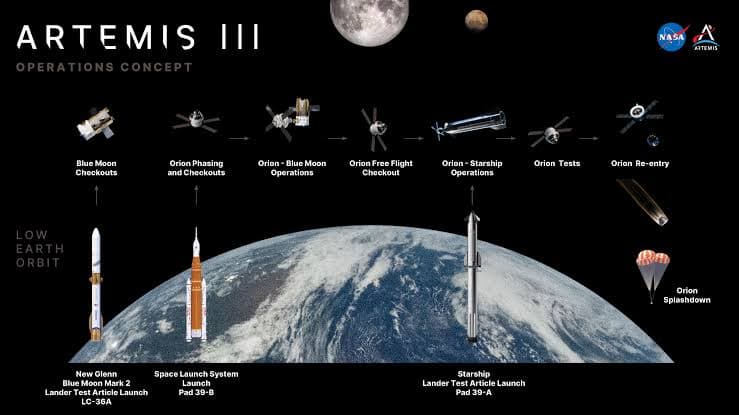
NASA’s Artemis III mission will launch four astronauts in 2027 for two docking tests with Blue Origin and SpaceX landers before a planned 2028 Moon landing.
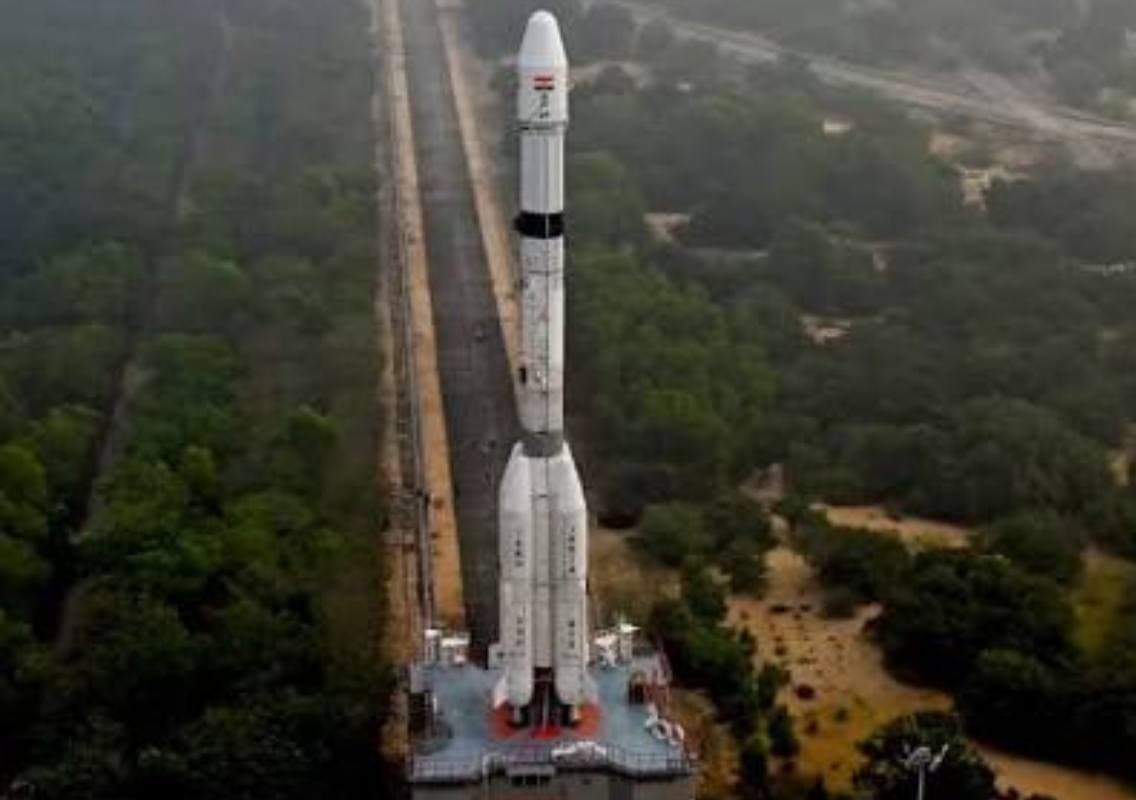
ISRO is scheduled to launch NVS-03 aboard GSLV-F18 from Sriharikota on October 30 to strengthen India’s NavIC satellite navigation system.
A Cambridge study finds average differences in how newborn boys and girls focus on faces and objects within hours of birth.
Scientists explain why most adults cannot remember infancy, highlighting the developing brain, language and the formation of lasting memories.
An Oxford study finds that maternal bonds, the cause of death and environmental factors may explain why chimpanzees carry dead infants.
A humpback whale mother stayed beside her dead newborn off Australia, offering scientists a poignant glimpse into whale behaviour and attachment.
Astronomers have confirmed Elias 2-24 b, the youngest known planet, offering a rare glimpse into the earliest stages of planetary formation.
A new study finds monkeys and humans make similar mistakes when matching shapes, suggesting shared instincts for geometric thinking.
Rarely photographed iridescent clouds appeared over parts of Victoria, creating vivid rainbow-like colours as sunlight interacted with tiny droplets.
A bright crescent Moon and brilliant Venus formed a striking close alignment over Mangaluru, delighting skywatchers during Ganesh Chaturthi.
Scientists have developed a wood-based sponge that can extract water from air with humidity as low as 15%, offering hope for water-scarce regions.
The resurgence of SAT-1, a strain of foot-and-mouth disease, has raised concerns over livestock health, trade and the need for stronger disease surveillance.
Global demand for liquid nitrogen transfer hoses is expected to rise steadily through 2035, led by semiconductor fabrication expansion and industrial demand.
Researchers have identified a natural immune “braking system” that can switch off inflammation and prevent potentially harmful immune responses.
Scientists using CERN’s ALICE experiment have found evidence that gluons may enter a densely packed collective state deep inside atomic nuclei.
India has administered more than 80 lakh HPV vaccine doses to girls aged 14 in a nationwide campaign against cervical cancer.
Numaligarh Refinery’s bamboo-based 2G ethanol plant has begun production, with the company exploring derivatives such as acetic acid.
New research suggests repeatedly calling young children ‘smart’ may create pressure that can influence how they respond to mistakes and challenges.
An international research team has won the 2026 Ig Nobel Prize in Chemistry for uncovering the unusual energy-rich proteins in cockroach milk crystals.
Dog faeces, usually viewed as an unpleasant urban waste problem, could have another use — as a potential source of renewable energy. Researchers have found that canine waste can produce biogas through anaerobic digestion, with methane emerging as the main energy-rich fuel. The study, published in the Biochemical Engineering Journal, examined different methods of processing […]