







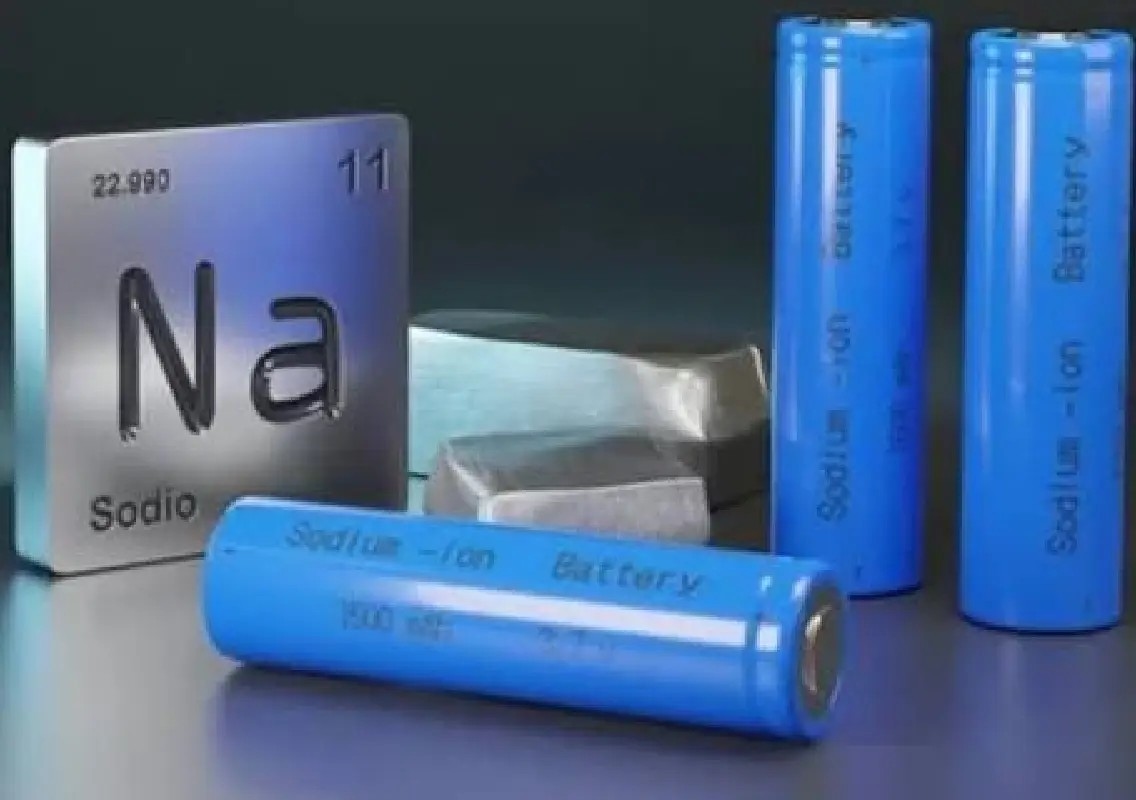


San Diego: A new sodium-ion battery technology developed by UNIGRID has cleared a series of demanding safety and performance tests, raising hopes for safer energy storage systems. The company’s sodium chromium oxide (NCO) chemistry was validated through Hyundai Motor Group’s ZER01NE Accelerator programme.
Battery passes tough safety tests
UNIGRID’s NCO cells successfully completed stringent abuse testing without catching fire or experiencing thermal propagation. Thermal propagation is a major concern in battery storage because a failure in one cell can potentially spread to neighbouring cells.
The successful tests could be particularly important for large battery energy storage systems, where safety is a critical consideration.
Strong performance across temperatures
The testing also examined the battery’s durability and operation under demanding conditions. According to UNIGRID, its cells showed minimal capacity degradation during continuous cycling at 100% depth of discharge.
The technology was also validated across a temperature range from -20°C to 60°C, demonstrating its ability to operate under varied environmental conditions.
Sodium batteries gain attention
Sodium-ion batteries are attracting growing interest as an alternative to lithium-ion technology, particularly for stationary energy storage. Sodium is more widely available than lithium, while advances in battery chemistry are helping researchers address concerns around performance and safety.
UNIGRID says its NCO chemistry is designed around safety, with the company highlighting zero-fire performance and resistance to fire propagation.
The latest validation was conducted through Hyundai Motor Group’s accelerator programme, with the two companies now planning to jointly develop a sodium-ion battery energy storage system for industrial applications.