







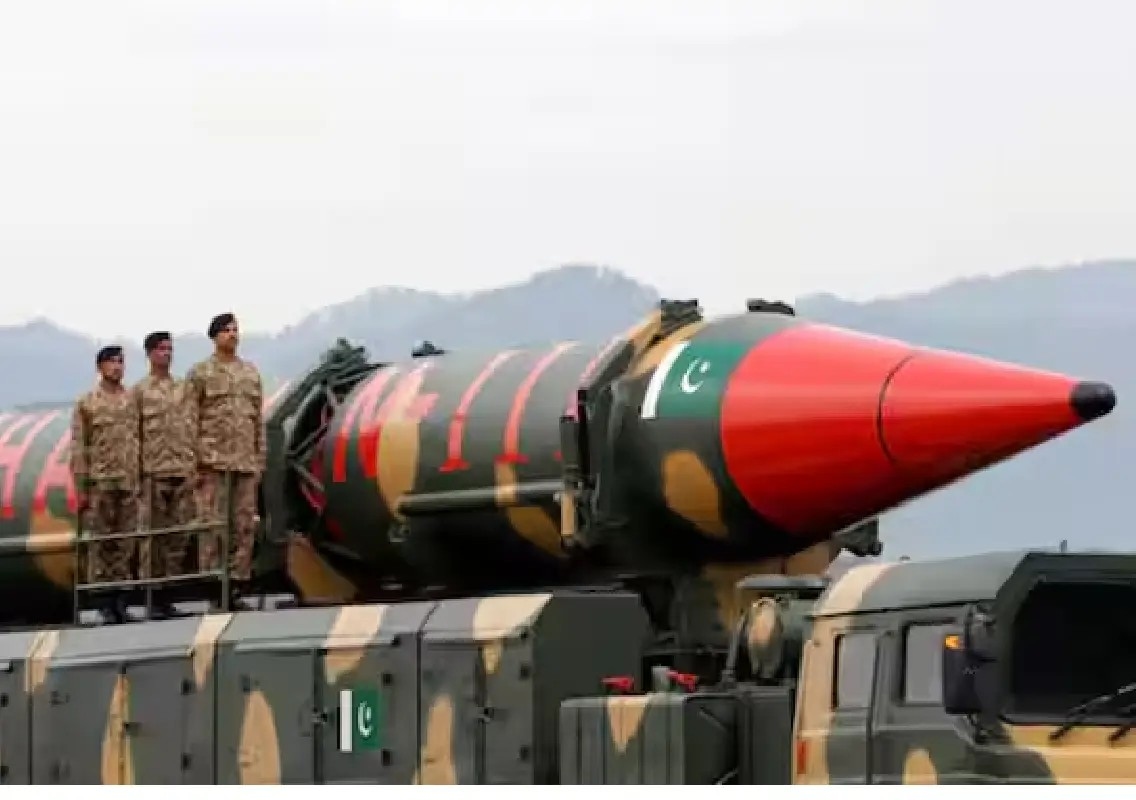


New Delhi: India is strengthening its space-based surveillance capabilities to detect missile launches within seconds, aiming to give its air-defence network more time to identify and respond to incoming threats.
Faster warning could change missile defence
The push follows lessons from Operation Sindoor, during which Indian air-defence systems intercepted an incoming missile over Haryana’s Sirsa shortly before it was expected to reach its target.
Such a narrow response window highlights the importance of detecting missile launches much earlier. Space-based sensors can potentially identify the heat signature of a missile soon after launch, allowing ground-based systems to begin tracking its trajectory before it approaches its target.
Earlier detection could be particularly important against ballistic missiles that travel beyond the atmosphere. It may give India the opportunity to engage some threats during an earlier stage of flight rather than waiting until they enter the terminal phase.
DRDO strengthens interception capability
The Defence Research and Development Organisation (DRDO) has also been working to expand India’s ballistic missile defence capabilities. Recent tests demonstrated successful interception of incoming ballistic missile targets both outside and within the atmosphere.
Space-based detection is expected to complement these systems by providing an earlier warning and improving the time available for decision-making.
Anirudh Sharma, founder and CEO of space intelligence company Digantara, said that time is a critical factor in responding to modern missile threats. He noted that detecting launches within seconds could help authorities assess trajectories and activate countermeasures earlier.
As missile technology evolves towards faster and more manoeuvrable weapons, India’s efforts to develop a network of space-based “eyes” could become an important part of its wider air and missile defence architecture