







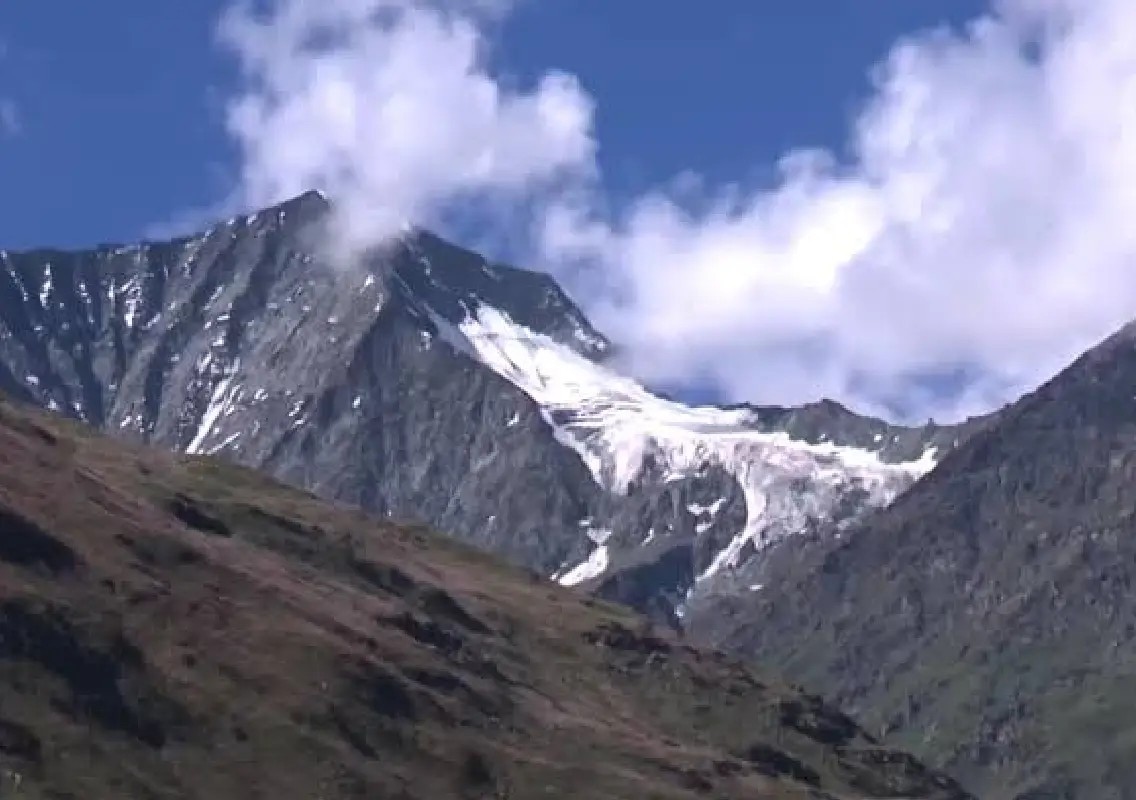


Kathmandu: The Himalayas are facing growing environmental risks as rising temperatures, melting glaciers and unstable mountain slopes increase the threat of disasters across the region.
Nepal, home to some of the world’s highest mountains, is particularly vulnerable. The country’s mountain communities live alongside glaciers, steep slopes and river systems that can rapidly turn hazardous when extreme weather or geological events strike.
Melting glaciers are creating new dangers
Climate change is accelerating the retreat of glaciers across the Himalayan region. As ice melts, water can accumulate in glacial lakes held back by unstable natural barriers.
A sudden breach can trigger a glacial lake outburst flood, sending huge quantities of water, rocks and debris downstream. Such events can damage homes, roads, bridges and other vital infrastructure within a short time.
Landslides add to the growing threat
Warmer temperatures and changing rainfall patterns can also weaken mountain slopes. Heavy rainfall may trigger landslides and debris flows, while earthquakes can cause avalanches and large-scale slope failures.
The risks are particularly serious for communities living in narrow valleys, where there may be little time to respond when a disaster begins.
Early warnings could save lives
Experts have increasingly called for stronger monitoring and early-warning systems in the Himalayan region. Better information about glaciers, rainfall, landslide-prone slopes and river levels could help communities prepare before disasters strike.
Cross-border cooperation is also important because rivers, glaciers and mountain hazards do not stop at national boundaries.
A warning for the entire region
The Himalayan crisis extends beyond Nepal. India, Bhutan, Pakistan and other countries connected to the Hindu Kush-Himalayan region face similar risks from changing mountain environments.
The challenge is therefore not simply about protecting the mountains. It is about protecting millions of people whose homes, livelihoods and water resources depend on them.
The growing hazards serve as a reminder that climate change in the world’s highest mountains is no longer a distant concern. Preparing communities, strengthening infrastructure and improving early-warning systems could determine how effectively the region responds to the dangers ahead.