







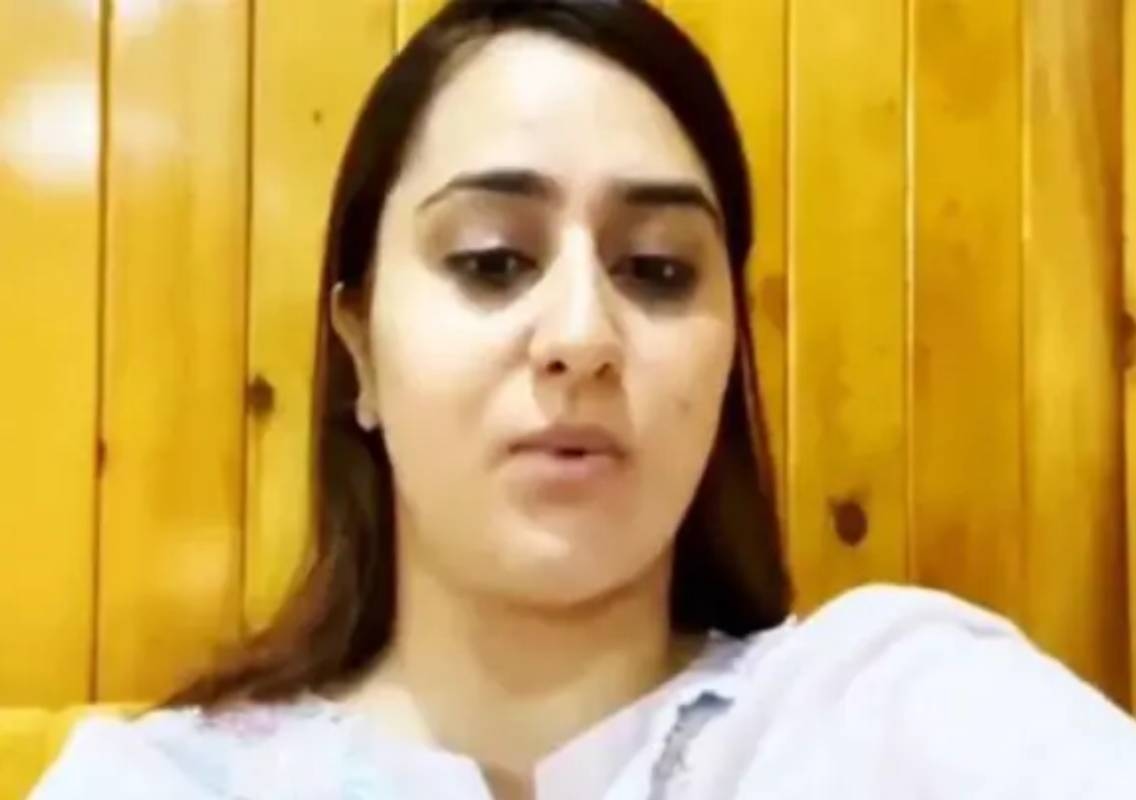


Geneva: India’s women- and child-centred development programmes came into focus at the 63rd session of the United Nations Human Rights Council, with RSKS India Representative Urooj Manzoor highlighting initiatives covering nutrition, maternal support, women’s economic participation and child protection.
Speaking during the General Debate under Agenda Item 3 in Geneva, Manzoor said development must ensure that women and children have access to dignity, security, opportunity and essential services. The 63rd regular session of the Human Rights Council is being held from September 7 to October 7, 2026.
Her intervention highlighted India’s social protection programmes and the role of digital governance in monitoring services delivered to women and children.
Anganwadi network at the centre of nutrition efforts
A major focus of the presentation was India’s network of Anganwadi Centres, which provides nutrition, health and early childhood services.
According to the Ministry of Women and Child Development, more than 14 lakh Anganwadi Centres are currently operational under Mission Saksham Anganwadi and Poshan 2.0. The network provides services to more than 7.5 crore children and 1.10 crore pregnant and lactating women, along with adolescent girls.
Government data published in March 2026 put the number of operational Anganwadi Centres at 14.03 lakh, with nearly 8.98 crore registered beneficiaries under the mission.
The Anganwadi system covers supplementary nutrition, early childhood care and education, growth monitoring and awareness activities. The government has also been upgrading selected centres under the Saksham Anganwadi initiative.
Poshan Tracker brings digital monitoring
Manzoor also highlighted the role of technology in monitoring nutrition and early-childhood services.
The Poshan Tracker is being used as an information and communications technology-based governance tool under Mission Saksham Anganwadi and Poshan 2.0. It enables near real-time monitoring of services provided through Anganwadi Centres and allows the Ministry and state governments to track implementation.
The platform covers areas including attendance, early childhood care and education activities, growth monitoring, hot cooked meals and take-home rations.
A government backgrounder said the system was monitoring more than 14 lakh Anganwadi Centres and approximately 9 crore beneficiaries as of March 2026.
PM Matru Vandana Yojana supports mothers
Maternal support was another key element of the presentation.
Under the Pradhan Mantri Matru Vandana Yojana (PMMVY), eligible pregnant and lactating women receive maternity benefits through direct benefit transfers. Government data showed that 5.13 crore beneficiaries had been enrolled and 4.37 crore had received payments totalling Rs 20,571 crore as of July 31, 2026.
The scheme provides Rs 5,000 in two instalments for the first living child and Rs 6,000 for the second child when the second child is a girl, subject to the scheme’s eligibility conditions.
The figures were cited as part of a broader government framework covering maternal health, nutrition and social protection.
Mission Shakti expands support for women
The presentation also referred to Mission Shakti, which brings together measures focused on women’s safety, security and empowerment.
Its support framework includes One Stop Centres, Women Helplines, Shakti Sadan, Sakhi Niwas and Palna.
Government data published in August said the Women Helpline had supported more than 1.05 crore women with round-the-clock assistance by July 31, 2026. The helpline is linked with the Emergency Response Support System.
One Stop Centres are designed to provide integrated support to women affected by violence or facing related difficulties.
Women’s economic participation highlighted
Women’s economic participation formed another part of the intervention at the Human Rights Council.
Manzoor pointed to the expansion of Self-Help Groups and women-led entrepreneurship as elements of India’s wider development approach. The focus links financial inclusion, access to credit and enterprise development with greater participation by women in economic activity.
Government figures show the scale of the Self-Help Group ecosystem. As of February 2026, SHGs had accessed more than Rs 12.18 lakh crore in bank credit through the rural livelihood programme, while 4.32 lakh enterprises had been supported under the Start-up Village Entrepreneurship Programme by June 30, 2026.
The Lakhpati Didi initiative is another programme aimed at supporting sustainable incomes among women belonging to Self-Help Groups.
Beti Bachao Beti Padhao and Mission Vatsalya
The intervention also referred to programmes focused on girls and children, including Beti Bachao Beti Padhao and Mission Vatsalya.
Beti Bachao Beti Padhao focuses on issues including the welfare and education of girls, reducing school dropouts and improving access to maternal and child-related services. Government data also links the programme to efforts around the child sex ratio and women’s empowerment.
Mission Vatsalya, meanwhile, forms part of India’s child protection framework and focuses on the safety, care and development of children who require protection and support.
Together, these initiatives were presented as part of a life-cycle approach covering nutrition, health, education, safety and economic opportunity.
India calls for coordinated action
Addressing the Council, Manzoor said national development should place women and children at the centre of policymaking.
“True national development is driven by the architects of our future — women and children,” she said, stressing the need to advance nutrition, safety, financial inclusion and economic opportunity together.
She also called for greater cooperation among governments, civil society organisations, development partners and international institutions.
“The task before us is clear: invest in women, protect every child, strengthen inclusive institutions and ensure that development reaches those who need it most,” Manzoor said.
Development agenda combines welfare and economic participation
India’s presentation placed its women- and child-focused programmes within a broader development framework that combines social protection with economic participation and digital governance.
The government has increasingly used digital platforms such as Poshan Tracker to monitor welfare delivery, while programmes involving Self-Help Groups and entrepreneurship seek to expand women’s participation in economic activity.
At the Human Rights Council, the focus was therefore not limited to individual welfare schemes but extended to the relationship between nutrition, maternal support, child protection, financial inclusion and women’s economic participation.
The intervention called for sustained cooperation and measurable action to strengthen outcomes for women and children, placing these areas within India’s wider development narrative at the ongoing UN Human Rights Council session.