







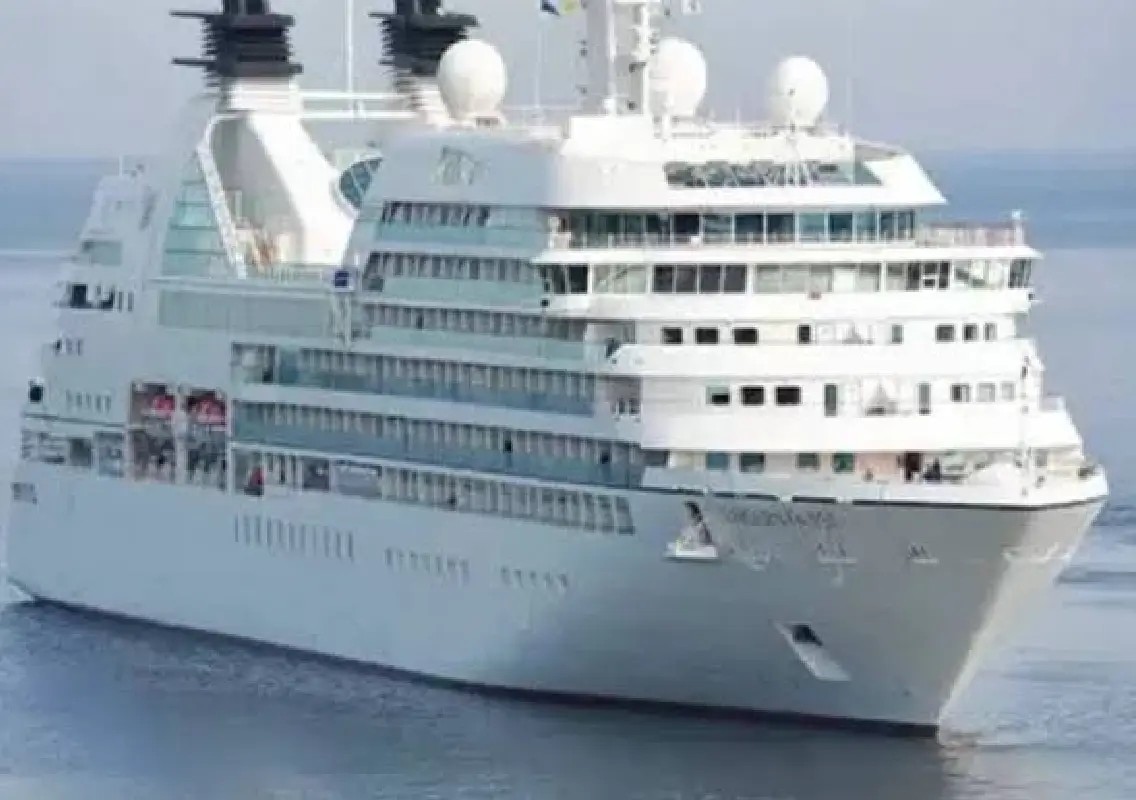


New Delhi : The Indian government has introduced a dedicated e-group visit visa for foreign tourists arriving in India on cruise ships, in a move aimed at making entry procedures easier and strengthening the country’s position as a global cruise tourism destination.
The new visa category has been introduced by the Ministry of Home Affairs for foreign tourists travelling on cruise vessels that follow a fixed and predetermined itinerary. The initiative is expected to make group travel more convenient while encouraging international cruise operators to include Indian ports in their itineraries.
The decision comes as India seeks to expand tourism beyond traditional land-based travel and make its extensive coastline an important part of the country’s tourism offering.
New visa facility for cruise passengers
The e-group visit visa is specifically designed for foreign tourists travelling together on cruise vessels.
Under the new arrangement, cruise passengers following a predetermined itinerary can benefit from a streamlined visa process. This is intended to reduce procedural difficulties for tourists who may visit multiple Indian ports during a single cruise journey.
The move is particularly relevant to cruise tourism because passengers generally remain part of an organised itinerary, making it possible to process groups in a more coordinated manner.
India already has an e-visa system covering several categories of foreign visitors and entry through designated airports and seaports. The government has also been expanding the number of international ports where eligible e-visa holders can enter the country.
Government targets global cruise tourism
The latest measure forms part of India’s broader effort to position itself as an attractive destination for international cruise companies and travellers.
India’s long coastline, historic port cities, beaches, cultural attractions and religious destinations provide considerable potential for cruise tourism.
Cruise passengers can visit several destinations during one voyage, generating economic activity across ports, hotels, restaurants, transport services, tour operators and local businesses.
By making visa procedures easier, the government hopes to remove one of the potential barriers faced by international cruise operators when planning Indian itineraries.
The new facility could also make India more competitive with other destinations that have developed streamlined immigration systems for cruise passengers.
Cruise tourism can benefit local economies
Cruise tourism has the potential to generate economic benefits well beyond the ports where ships dock.
Passengers typically spend money on local transportation, sightseeing, shopping, food and cultural experiences. Cruise operators also require services such as port handling, logistics, supplies and maintenance.
A larger number of cruise arrivals could therefore create opportunities for businesses and workers in coastal cities.
Indian ports such as Mumbai, Kochi, Mormugao and Chennai have already been identified among locations handling cruise-related international passenger traffic. The Ministry of Home Affairs has previously provided e-visa facilities at designated seaports where cruises are allowed.
The expansion of cruise tourism could consequently contribute to the growth of a wider coastal tourism ecosystem.
Fixed itineraries make processing easier
One of the important features of the new visa category is its focus on cruise vessels operating on fixed and predetermined itineraries.
Unlike independent travellers who may make individual travel arrangements, cruise passengers generally follow an established schedule covering specific ports.
This makes it possible for immigration authorities and cruise operators to coordinate passenger information and entry arrangements more efficiently.
The government expects this streamlined approach to improve the overall experience for foreign tourists arriving by sea.
For international cruise companies, simpler procedures can also make it easier to plan Indian ports as part of longer regional itineraries.
India already has cruise tourism visa provisions
The latest announcement builds on India’s existing framework for cruise tourism.
Government visa guidelines have previously included a dedicated cruise tourism category for foreign nationals arriving in India on cruise vessels.
The new e-group facility adds another layer of convenience by allowing eligible cruise groups to make use of electronic visa processing.
The Ministry of Home Affairs currently provides information and services relating to e-visas, including designated countries and entry points.
The move indicates that the government is continuing to adapt India’s immigration system to the needs of different categories of international travellers.
More international tourists could be attracted
The simplified process could be particularly useful for cruise companies operating large ships carrying hundreds or thousands of passengers.
Cruise itineraries often cover several countries, and visa requirements can influence decisions about which ports are included in a voyage.
Reducing administrative complexity could make Indian ports more attractive when cruise operators design routes across the Indian Ocean and neighbouring regions.
The new policy could also encourage cruise companies to increase the number of Indian destinations included in their itineraries.
For tourists, easier entry procedures could make shore excursions and multi-port journeys more convenient.
Ports could see greater activity
An increase in cruise traffic could provide a boost to India’s major coastal ports.
Mumbai, Kochi, Goa, Chennai and other coastal destinations have significant tourism infrastructure and attractions that can be promoted to cruise passengers.
Cruise visitors generally have limited time at each destination, making efficient transport and well-organised sightseeing services particularly important.
The availability of simpler visa arrangements could therefore encourage the development of more structured cruise tourism packages covering heritage sites, beaches, food experiences and cultural attractions.
Local governments and tourism authorities may also have an opportunity to develop dedicated cruise terminals and visitor services.
Wider tourism strategy
The new e-group visa is part of a broader effort to make travel to India easier for international visitors.
In recent months, the government has continued to expand e-visa access and designated entry points. In August 2026, the Ministry of Home Affairs announced the addition of 11 more international ports where eligible foreign travellers could enter India using e-visas.
Such measures are aimed at reducing friction at the point of entry while maintaining immigration and security requirements.
The cruise sector presents a particularly important opportunity because a single vessel can bring a large number of international visitors to several Indian destinations.
Opportunity for coastal Karnataka and other regions
The growth of cruise tourism could also create opportunities for India’s western and southern coastal regions.
States with established ports and tourism infrastructure could benefit from increased international passenger movement.
For coastal destinations, cruise passengers represent an additional tourism market alongside conventional domestic and international visitors.
If more cruise itineraries include Indian ports, local businesses could see increased demand for sightseeing, transport, handicrafts, restaurants and cultural experiences.
The benefits, however, will depend on the development of adequate infrastructure and the ability of destinations to provide safe, efficient and attractive experiences within the limited time available to cruise passengers.
A boost for India’s cruise ambitions
The introduction of the e-group visit visa marks an important step in India’s efforts to develop cruise tourism.
By simplifying entry procedures for foreign passengers travelling on fixed cruise itineraries, the government is seeking to make India more accessible to international cruise operators and tourists.
The measure could support greater passenger movement through Indian ports, encourage investment in cruise infrastructure and generate economic opportunities for coastal communities.
India already has several advantages as a cruise destination, including a long coastline, diverse cultural heritage and strategically located ports. Easier visa procedures could help the country make better use of these advantages.
As global tourism becomes increasingly competitive, convenience is an important part of attracting international visitors. The new e-group visa is therefore more than an immigration reform; it is an attempt to make India’s cruise experience easier to access and more attractive to travellers from around the world.
If supported by improved port infrastructure, efficient passenger services and strong tourism promotion, the initiative could give India’s emerging cruise tourism industry a significant boost.