







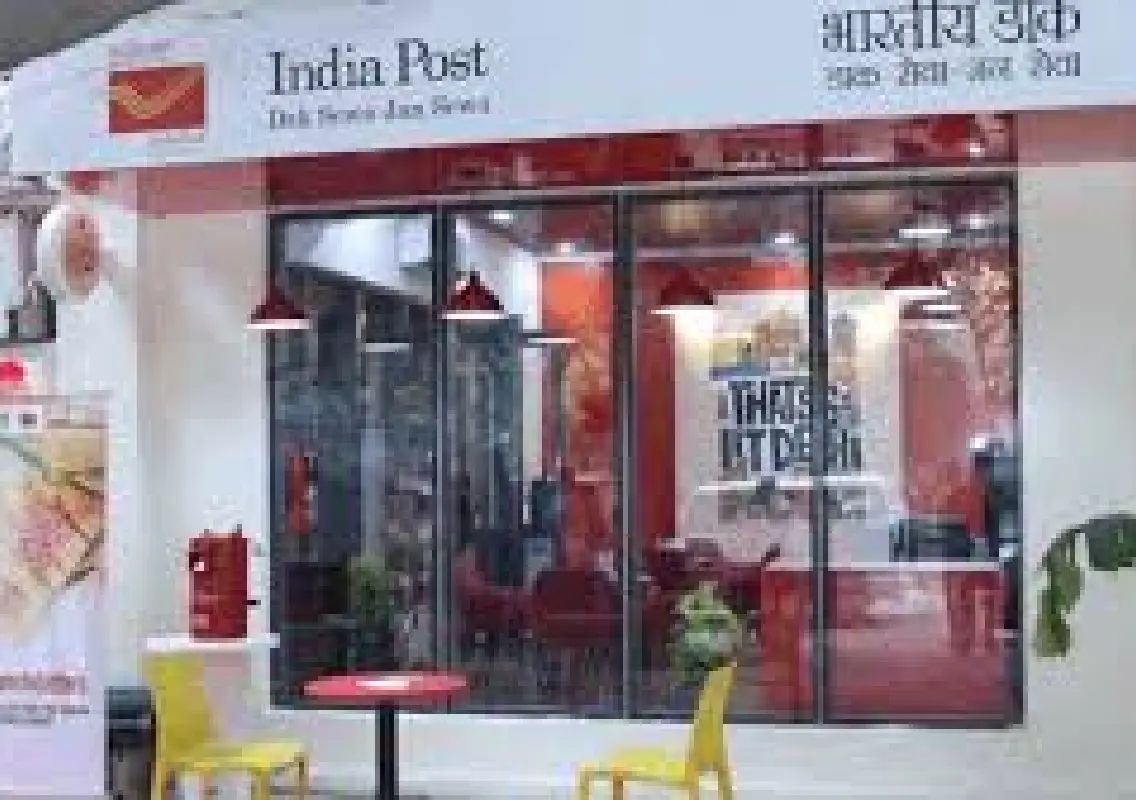


In a pioneering step to modernise postal services and engage younger citizens, India Post has announced plans to open more Gen Z post offices across Bihar. The first such facility was launched recently at IIT–Patna, signalling a shift towards youth-centric, technology-driven postal experiences.
A new-age post office for a new generation
Unveiling the initiative in Aurangabad, Chief Postmaster General M. U. Abdali said the Gen Z model has been designed to match the expectations and digital habits of today’s youth. “Young people today look for speed, digital access and convenience. The Gen Z post office has been designed keeping these expectations in mind,” he said.
The model blends traditional services—mail handling, philately, savings schemes—with tech-enabled amenities that appeal to students and young professionals. The aim is to make post offices more intuitive, visually modern and digitally integrated.
Abdali confirmed that Aurangabad will soon have its own Gen Z post office.
Bringing postal services closer to campuses
A key part of the strategy is to place Gen Z post offices inside educational hubs. According to India Post officials, many young people remain detached from postal services simply because post offices are not part of their daily environment.
“By reaching students where they are, we ensure that the next generation understands the postal system better,” Abdali said. “This will also encourage them to adopt the evolving digital services of India Post.”
The IIT–Patna post office has already begun offering a mix of digital and physical services, including online booking facilities, simplified access to savings schemes and faster processing counters.
Supporting digital transformation
India Post believes that such modernised offices will boost awareness of its digital portfolio, including e-post, online parcel tracking, doorstep banking and Aadhaar-linked services. The initiative also aligns with the department’s long-term goal of repositioning itself as a tech-forward, service-oriented public institution.
Officials noted that the Gen Z model could be expanded to other states based on its reception in Bihar.