







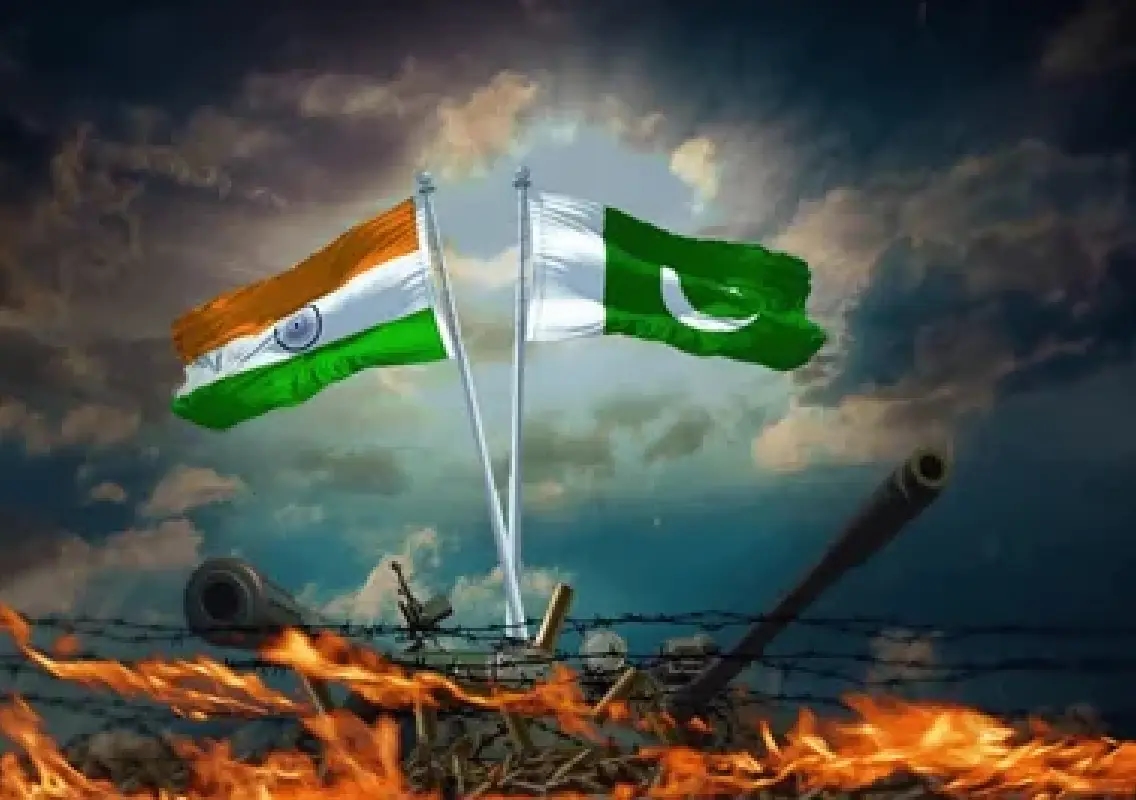


India delivered a strong and unequivocal rebuttal to Pakistan at the United Nations Security Council, rejecting what it described as “false and self-serving” claims regarding Operation Sindoor and firmly calling out Islamabad’s continued use of terrorism as an instrument of state policy.
India’s Permanent Representative to the UN, Ambassador Parvathaneni Harish, accused Pakistan of deliberately misrepresenting facts surrounding the military operation carried out in May last year. He said the operation followed the brutal killing of 26 innocent civilians in Pahalgam in April 2025 by Pakistan-sponsored terrorists.
India defends Operation Sindoor as measured and responsible
Ambassador Harish told the Security Council that India’s response was measured, non-escalatory and focused solely on dismantling terrorist infrastructure and disabling active terror networks. He reminded the Council that it had itself called for accountability of the perpetrators, organisers, financiers and sponsors of the Pahalgam attack.
Rejecting Pakistan’s claims of military success, the Indian envoy stated that the extent of damage caused to multiple Pakistani air bases was already in the public domain, with images showing destroyed runways and damaged hangars. He added that it was Pakistan’s military that reached out on May 10, seeking a cessation of hostilities.
“Terrorism can never be normalised”
India strongly objected to Pakistan’s attempt to portray terrorism as a “new normal” in the region. Ambassador Harish asserted that no civilised international order could accept or legitimise terrorism in any form and warned against allowing the UN platform to be misused for such narratives.
He further remarked that Pakistan, despite being an elected member of the Security Council, appeared to be pursuing a single-point agenda aimed at harming India and its people.
Firm stand on Jammu and Kashmir and Indus Waters Treaty
Reaffirming India’s long-held position, Harish said Jammu and Kashmir is, and will always remain, an integral and inalienable part of India, adding that Pakistan has no locus standi to comment on India’s internal affairs.
On the Indus Waters Treaty, India justified its decision to hold the pact in abeyance, citing decades of violations through wars and cross-border terrorism. He said the treaty would remain suspended until Pakistan credibly and irrevocably ends its support for terrorism.