







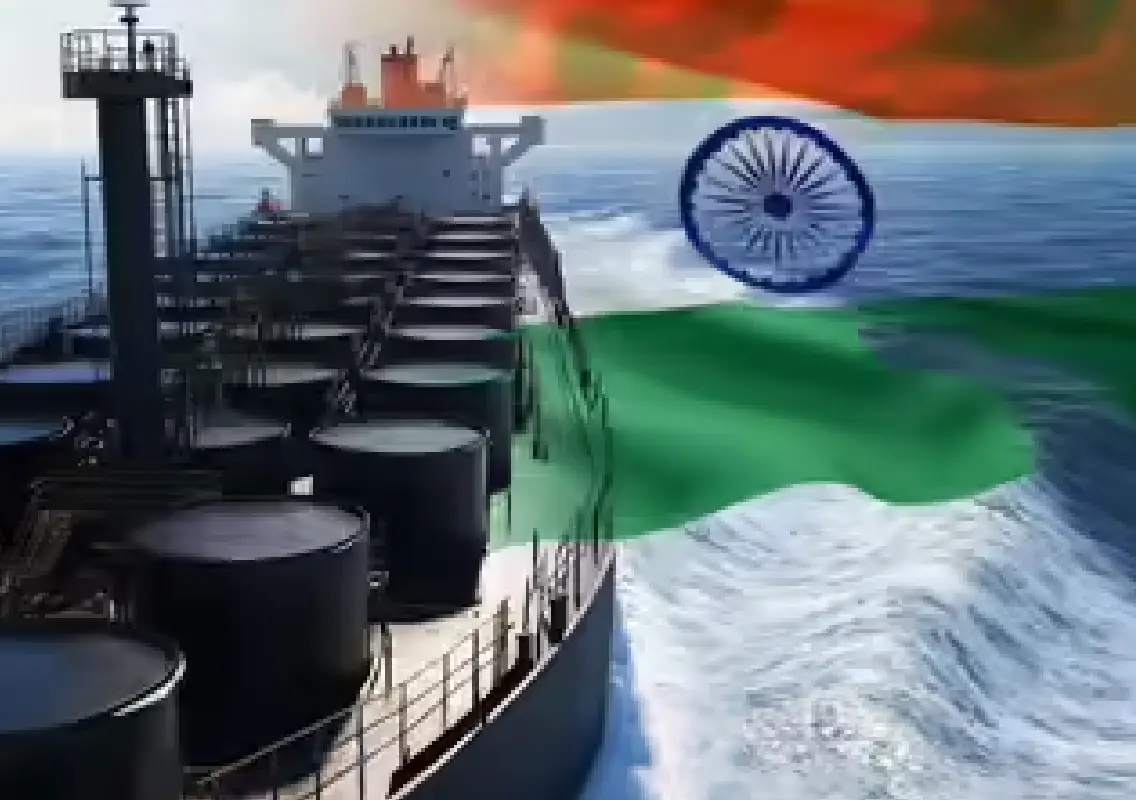


India has successfully ensured the safe passage of crude oil shipments through the strategically vital Strait of Hormuz, following diplomatic engagements with Iran amid escalating regional tensions.
According to reports, an oil tanker carrying more than 135,000 metric tonnes of Saudi crude successfully completed its journey to India despite heightened security risks in the Gulf region.
Tanker completes risky transit
The tanker Shenlong, a Liberia-flagged vessel captained by an Indian, departed from Ras Tanura on March 1 carrying crude oil bound for India.
The vessel entered the Strait of Hormuz on March 8. During the transit, the crew reportedly switched off the ship’s Automatic Identification System (AIS) transponder, temporarily removing the vessel from tracking systems while crossing the high-risk zone.
The tanker reappeared on tracking systems the following day and eventually docked safely at Mumbai Port on March 11.
Diplomatic engagement ensures safe transit
India’s External Affairs Minister S. Jaishankar reportedly held multiple discussions with Iran’s Foreign Minister Abbas Araghchi in recent weeks.
The talks focused on ensuring the safety of Indian shipping and protecting the country’s energy supply lines, which heavily depend on oil shipments passing through the Strait of Hormuz.
Officials said Iran agreed to facilitate safe passage for vessels linked to India following these diplomatic exchanges.
Strategic importance of the route
The Strait of Hormuz is considered one of the world’s most critical maritime oil corridors. On average, around 20 million barrels of oil per day pass through the narrow waterway connecting the Persian Gulf with global markets.
India relies heavily on this route, with more than half of its crude oil imports passing through the strait.
Government sources said around 28 Indian-flagged vessels are currently operating in the Persian Gulf region, with hundreds of Indian seafarers working aboard ships navigating the area.
Diplomacy amid regional conflict
The safe transit of Indian shipments comes during a period of heightened conflict in the Middle East involving Iran, Israel and allied forces.
Several vessels linked to other countries have reportedly faced threats or attacks in the region during the ongoing tensions.
India has been closely monitoring developments and has set up a 24-hour control room to track the movement and safety of Indian ships and crew in the region.
Officials say the development highlights the importance of diplomatic engagement and strategic coordination in safeguarding India’s energy security during times of global instability.