







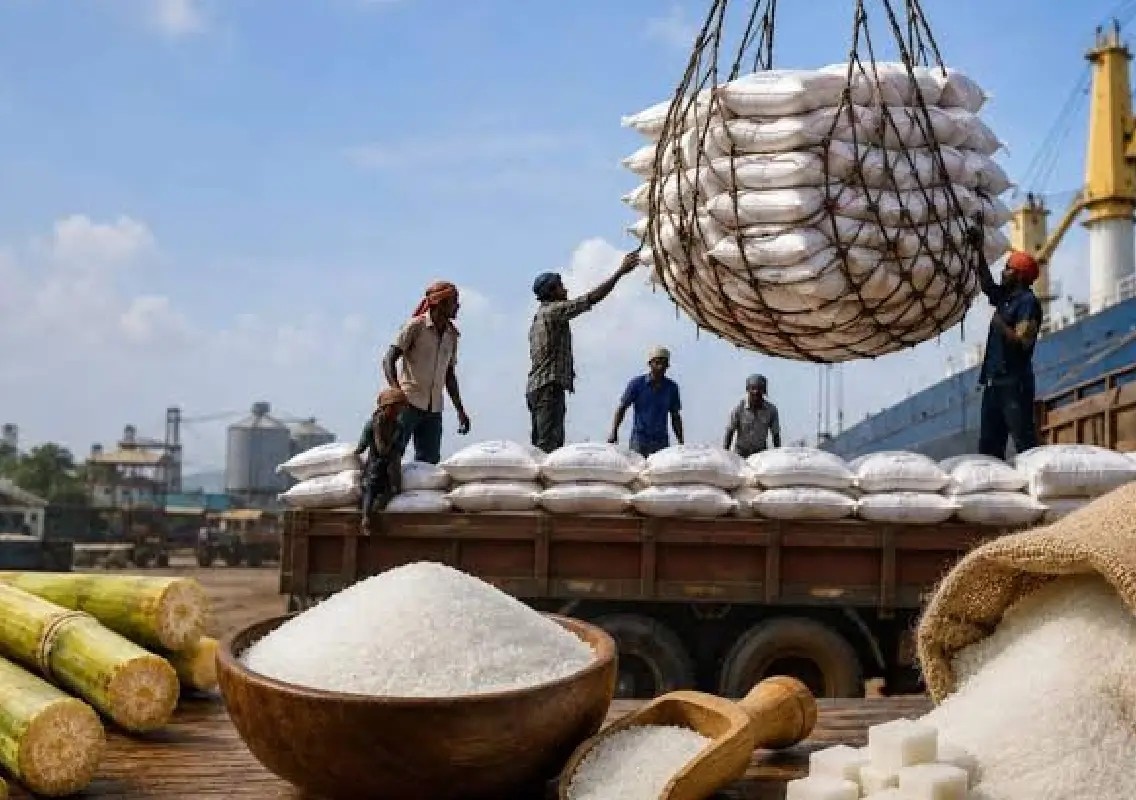


New Delhi: India is set to import sugar from overseas for the first time in nearly a decade as the government moves to strengthen domestic supplies and contain rising prices ahead of the festive season.
The Centre has permitted the duty-free import of 10 lakh tonnes of raw sugar, with the move aimed at addressing concerns over tight availability and rising domestic prices. The import window will remain open until October 31.
Why is India importing sugar?
India is traditionally a major sugar-producing country, with Maharashtra, Uttar Pradesh and Karnataka among the leading producing states. However, lower production and concerns over the availability of opening stocks have put pressure on the domestic market.
The government is also facing higher demand as the festival season approaches, when consumption of sugar typically rises.
Recent reports said domestic sugar prices had climbed sharply amid tightening supplies. The government has already taken measures including restrictions on sugar stocks held by bulk consumers and traders to discourage hoarding.
Brazil among possible sources
The sugar imported under the new arrangement is expected to come from international suppliers, including Brazil, one of the world’s major sugar producers. The additional supply is expected to improve availability in the domestic market and help moderate prices.
The move marks a significant shift for India, which generally produces enough sugar for domestic consumption and has historically been a major exporter.
Impact on consumers and sugar industry
The government is seeking to ensure that adequate sugar remains available during the coming season and that consumers do not face a sharp increase in prices.
The import decision could increase supplies in the domestic market and ease pressure on prices. However, its impact will depend on the timing of shipments and the availability of domestically produced sugar.
India’s move to import sugar after nearly 10 years highlights the pressure currently facing the country’s sugar market and the government’s efforts to maintain supply stability.