







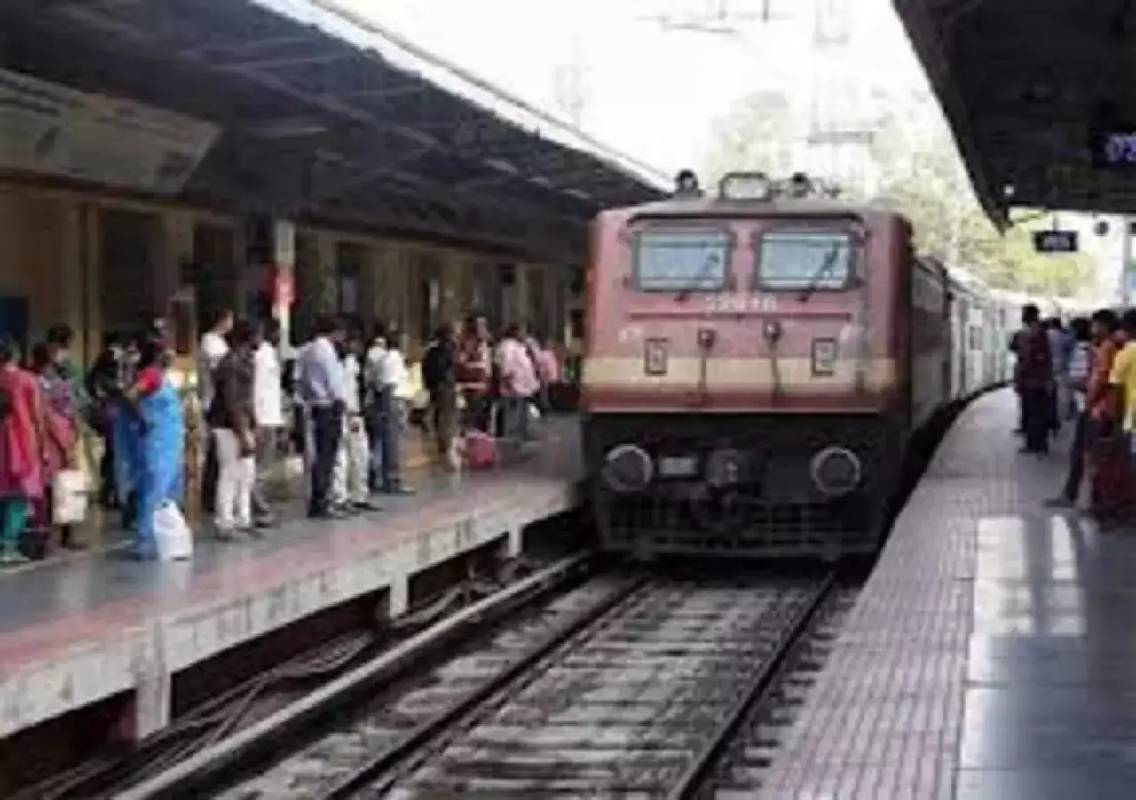


New Delhi: Travelling without a valid ticket on Indian Railways is set to become significantly more expensive from July 1, 2026, as the national transporter introduces revised penalties aimed at curbing ticketless travel and improving compliance with railway regulations. Under the new rules, the minimum penalty for passengers caught travelling without a valid ticket or pass will increase from Rs 250 to Rs 500.
The move comes as part of broader efforts by Indian Railways to strengthen revenue protection, improve ticket-checking efficiency and discourage fare evasion across its vast network. Railway authorities believe the revised penalty structure will act as a stronger deterrent against violations while ensuring fair enforcement of ticketing rules.
Minimum penalty increased to Rs 500
Under the revised provisions, any passenger found travelling without a valid ticket will be liable to pay the applicable fare along with a minimum excess charge of Rs 500. The previous minimum penalty stood at Rs 250.
The increase applies not only to passengers travelling entirely without a ticket but also to those found carrying invalid tickets, improper travel documents or tickets that do not authorise the journey being undertaken.
Railway officials have stated that the higher penalty has been introduced to address persistent instances of ticketless travel, which continue to result in substantial revenue losses every year.
Changes introduced through Railways Act amendments
The revised penalty framework stems from amendments made to Sections 137 and 138 of the Railways Act, 1989, through the Jan Vishwas (Amendment of Provisions) Act, 2026.
According to railway authorities, the amendments primarily revise the minimum penalty and excess charge payable by offenders. Other provisions relating to fare recovery and enforcement procedures remain unchanged.
Section 138 specifically deals with passengers travelling without a proper pass or ticket, travelling beyond the authorised distance, or violating ticket conditions. Under the amended law, such passengers will now be required to pay the actual fare along with the enhanced minimum excess charge of Rs 500.
What violations are covered?
The revised rules cover a range of common ticketing violations, including:
- Travelling without a valid ticket
- Travelling with an invalid ticket
- Using an improper or incorrect ticket
- Travelling beyond the distance authorised by the ticket
- Violations where authorities determine fraudulent intent
Passengers found committing any of these offences may be required to pay the revised penalty immediately during inspection by authorised railway staff.
Railway officials have clarified that the increase is intended to promote compliance rather than punish genuine passengers. However, travellers are advised to carefully verify their tickets before commencing their journey to avoid penalties.
Maximum punishment remains unchanged
While the minimum penalty has doubled, the maximum punishment prescribed under the law remains unchanged.
Passengers found guilty of ticket-related offences may still face imprisonment for up to six months, a fine of up to Rs 1,000, or both, depending on the circumstances of the case and the decision of the competent court.
Railway authorities noted that severe punishments are generally reserved for cases involving deliberate fraud, repeated violations or refusal to comply with lawful instructions.
Difference between penalty and fine
Indian Railways has also clarified the distinction between a penalty and a fine under the law.
A penalty can be imposed directly by an authorised railway employee during ticket inspections. This enables immediate enforcement and settlement of minor violations.
A fine, however, can only be imposed by a competent court. Court proceedings may become necessary if a passenger refuses to pay the prescribed penalty or disputes the offence in a manner that requires legal adjudication.
Officials said the distinction remains unchanged under the amended provisions.
Focus on revenue protection and compliance
Railway authorities have consistently highlighted ticketless travel as a major challenge affecting operational revenues. The latest revision is expected to support ongoing efforts to improve fare collection and reduce instances of unauthorised travel.
The enhanced penalty is also expected to strengthen the effectiveness of ticket-checking drives conducted regularly across railway zones.
Officials have urged passengers to purchase valid tickets before travelling, carry proper travel documents throughout their journey and cooperate with ticket-checking personnel during inspections.
With the revised rules taking effect from July 1, 2026, passengers travelling on Indian Railways are advised to remain vigilant and ensure full compliance with ticketing regulations to avoid higher penalties.
Conclusion
The increase in the minimum penalty from Rs 250 to Rs 500 marks one of the most significant changes to railway ticket enforcement in recent years. While the objective is to reduce ticketless travel and protect railway revenues, passengers will need to exercise greater caution to ensure they possess valid travel documents throughout their journey. The revised rules underscore Indian Railways’ focus on stricter compliance and more effective enforcement across the network.