









An Indian-origin restaurateur living in Japan for nearly three decades has gone viral after emotionally describing how stricter immigration rules could force him to leave the country along with his family.
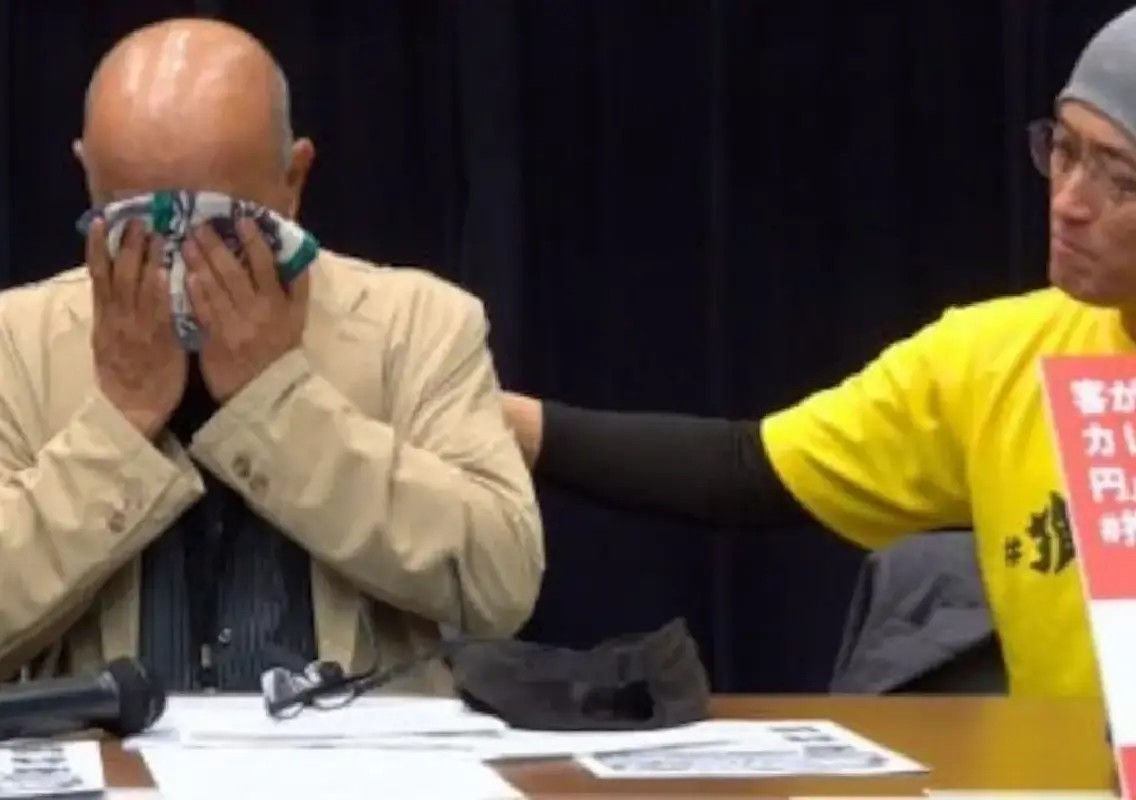
Manish Kumar, who owns an Indian restaurant in Japan’s Saitama Prefecture, reportedly broke down while speaking in the Japanese Parliament about the rejection of his visa renewal application.
Restaurant owner fears losing life built over decades
According to reports, Kumar has been operating his restaurant for the past 18 years and has lived in Japan for around 30 years.
He said Japan’s Immigration Services Agency allegedly denied renewal of his business visa following stricter immigration norms introduced last year.
During his emotional speech delivered in Japanese, Kumar said his children were born and raised in Japan and only speak Japanese.
“My children only speak Japanese, and we’re told to go back to India,” he reportedly said while struggling to hold back tears.
He further questioned how it was humane to suddenly ask families to leave after spending decades building their lives in the country.
Stricter visa rules trigger concerns
Reports said Japan revised its business manager visa rules in late 2025 amid concerns over misuse of the immigration system.
Under the revised rules, the minimum investment requirement reportedly increased from 5 million Yen to 30 million Yen, making it significantly harder for small businesses to qualify.
Authorities have also introduced stricter checks related to:
- Local employee hiring
- Japanese language proficiency
- Business experience and qualifications
- Office legitimacy and tax documentation
Critics argue that while the changes aim to prevent misuse, they are also affecting legitimate small business owners who have spent years contributing to Japanese society.
Emotional story sparks debate online
Kumar’s speech has triggered widespread reactions online, with many users expressing sympathy and debating the challenges faced by immigrants building lives abroad.
Several social media users highlighted the emotional conflict faced by long-term migrants whose children grow up identifying more with the country they live in than their country of origin.
The incident has also reignited discussions around immigration reforms, integration, and the impact of policy changes on small business owners and migrant families