







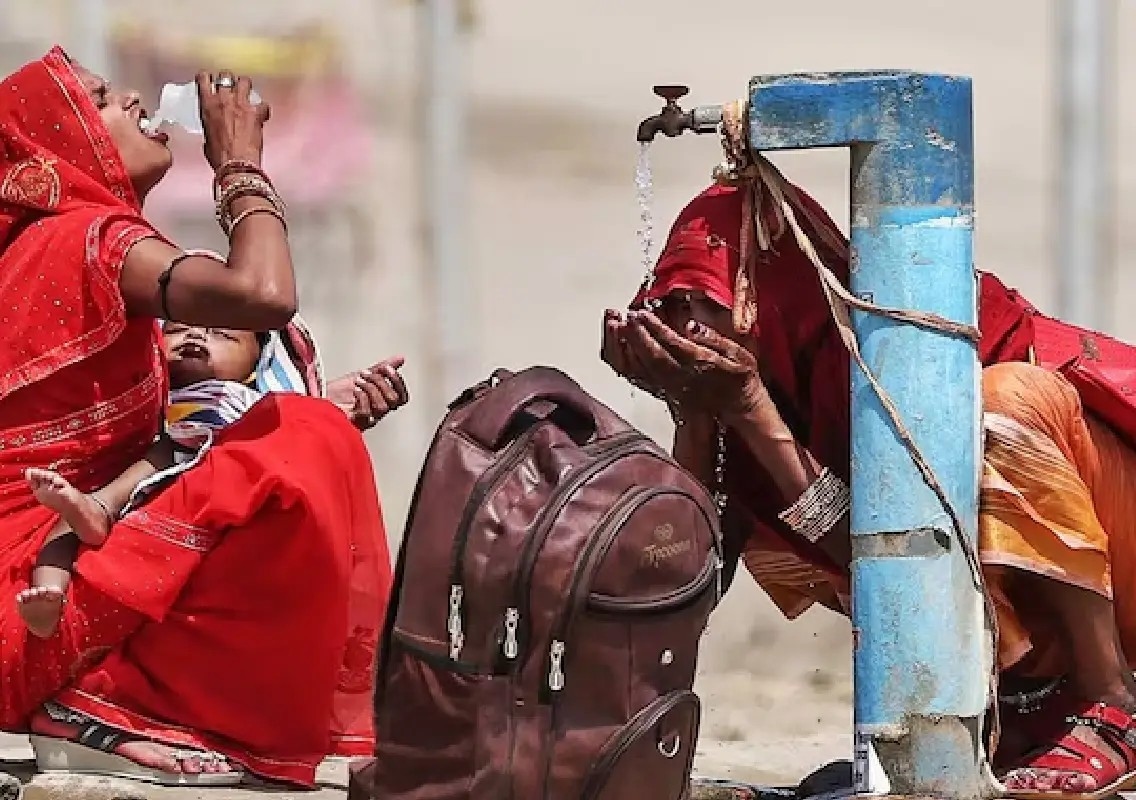


India’s worsening heat conditions are emerging as a major national crisis, affecting health, livelihoods, productivity, and urban living across the country, according to a new analysis by the Council on Energy, Environment and Water.
The report found that 57 per cent of Indian districts — home to nearly 76 per cent of the population — now face high to very high heat risk. Experts say the danger is no longer limited to traditionally hotter regions, but is spreading rapidly across urban and rural India alike.
Warm nights worsening health risks
Researchers noted that unusually warm nights are increasing faster than extremely hot days in many districts. Without cooler nights, the human body struggles to recover from daytime heat, leading to disturbed sleep, dehydration, heat strokes, and worsening chronic illnesses.
The elderly, children, pregnant women, and people with heart and metabolic conditions are considered especially vulnerable.
The National Disaster Management Authority has also warned that at least 23 Indian states regularly experience dangerous heat conditions.
Cities becoming hotter due to urban growth
Rapid urbanisation is intensifying the crisis in cities such as Delhi, Mumbai, and Bengaluru. Experts said shrinking tree cover and expanding concrete infrastructure are trapping heat for longer durations, creating severe urban heat island effects.
This means cities remain hot even after sunset, increasing physical stress and discomfort for residents.
Economic losses and rise of heat insurance
The report also highlighted growing economic losses caused by heat stress, especially in labour-intensive sectors such as construction, agriculture, logistics, and delivery services.
Experts estimate prolonged heat has already caused India losses worth nearly $150 billion in productivity.
As a result, “heat insurance” and parametric insurance models are gaining attention. These systems provide automatic payouts when temperatures cross dangerous thresholds, helping businesses and workers recover quickly from climate-related disruptions.
Experts stressed that alongside insurance, India urgently needs stronger heat action plans, better cooling infrastructure, and improved public awareness to tackle the intensifying climate challenge