







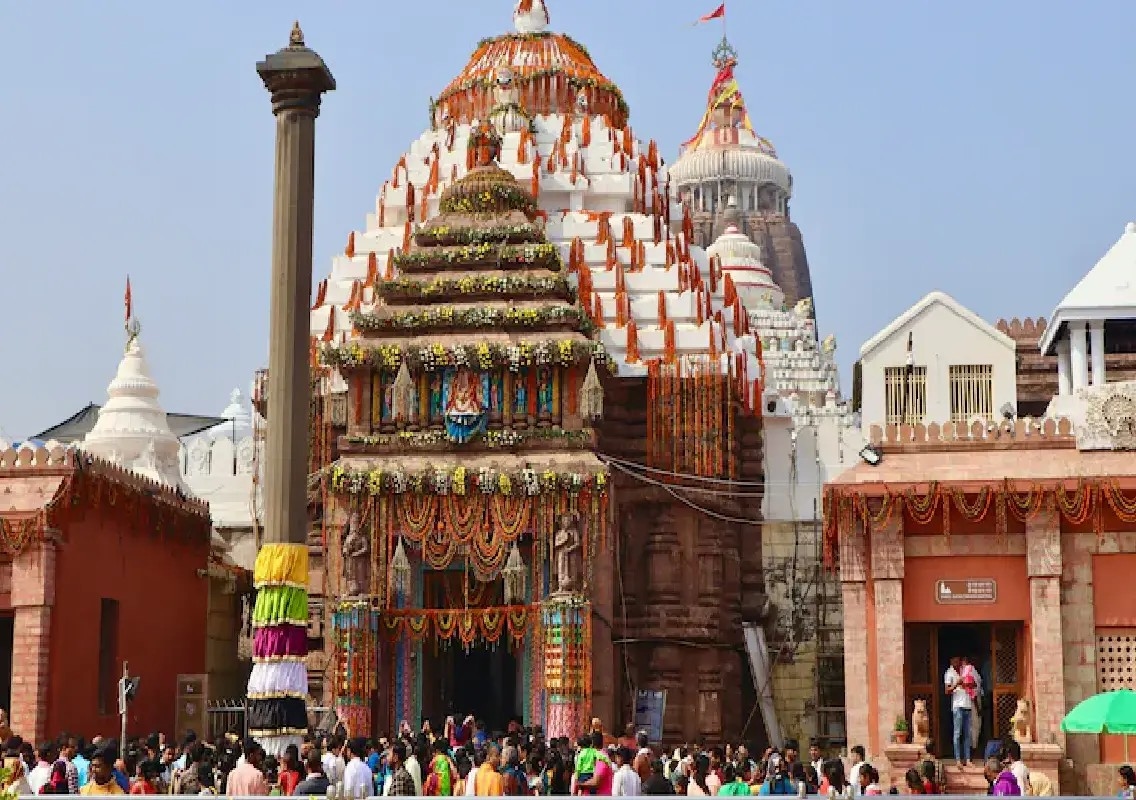


Puri: The annual Jagannath Rath Yatra, one of India’s largest and most revered religious festivals, will be held from July 16 to July 24, 2026, drawing lakhs of devotees and tourists to the temple town of Puri in Odisha.
Every year, the coastal city transforms into a vibrant centre of faith, culture and tradition as devotees gather to witness the grand chariot procession of Lord Jagannath, Lord Balabhadra and Devi Subhadra. The festival is not only one of the most significant events in Hinduism but also a major cultural attraction that showcases Odisha’s rich spiritual heritage.
With preparations underway for the nine-day festival, authorities are expected to implement elaborate security, crowd management and traffic arrangements to ensure the smooth movement of pilgrims and visitors.
Significance of the Jagannath Rath Yatra
The Jagannath Rath Yatra is celebrated annually on the Dwitiya Tithi (second day) of the Shukla Paksha in the Hindu month of Ashadha.
The festival commemorates the ceremonial journey of Lord Jagannath, his elder brother Lord Balabhadra and sister Devi Subhadra from the Jagannath Temple to the Gundicha Temple, which is traditionally believed to be the home of their aunt.
Three massive wooden chariots are specially constructed every year for the procession. The chariot of Lord Balabhadra leads the procession, followed by Devi Subhadra’s chariot, while Lord Jagannath’s majestic chariot, known as Nandighosh, follows behind.
One of the unique aspects of the Rath Yatra is that it offers devotees an opportunity to have darshan of the deities outside the sanctum of the Jagannath Temple. Millions believe that participating in the procession or pulling the ropes of the chariots brings spiritual merit and divine blessings.
After staying at the Gundicha Temple for several days, the deities return to the Jagannath Temple during the Bahuda Yatra, where they are ceremonially reinstalled on the Ratnavedi following traditional rituals.
Crowd management and safety measures
The Rath Yatra attracts several lakh devotees from across India and abroad, making it one of the country’s largest religious gatherings.
To manage the huge crowds, the Odisha Government, district administration and temple authorities deploy extensive security arrangements, regulate pedestrian movement and establish designated viewing areas along the Grand Road.
Visitors are advised to follow instructions issued by police and volunteers, avoid overcrowded areas and remain alert while moving through the procession route.
Keeping emergency contact numbers handy and identifying designated medical assistance centres can help ensure a safe pilgrimage.
Temple entry rules
Visitors should note that non-Hindus are not permitted to enter the Jagannath Temple in Puri, in accordance with the temple’s long-standing customs.
However, people of all faiths and nationalities are welcome to witness the Rath Yatra from outside the temple and along the procession route.
Watching the massive chariots being pulled through the streets remains one of the festival’s most memorable experiences.
Dress code and essential precautions
As the Rath Yatra takes place during July, visitors should be prepared for hot, humid and occasionally rainy weather.
Lightweight cotton clothing is recommended to remain comfortable during long hours outdoors. Comfortable footwear, drinking water, umbrellas or raincoats and basic medicines are also advisable for pilgrims attending the festival.
Visitors should stay hydrated and avoid prolonged exposure to the sun, especially during peak afternoon hours.
Restricted items and security checks
Authorities generally prohibit several items in and around the temple premises and designated security zones.
Visitors are advised not to carry leather products such as belts, wallets and bags into restricted areas. Mobile phones, cameras and other electronic devices may also be restricted in certain zones surrounding the temple.
Pilgrims should cooperate with security personnel during baggage checks and follow all instructions issued by officials.
Traffic restrictions during the festival
Extensive traffic diversions are usually implemented across Puri during the Rath Yatra.
The Grand Road (Bada Danda), where the chariot procession takes place, is converted into a vehicle-free corridor to facilitate the movement of devotees.
Travellers arriving by private vehicles should use designated parking facilities and expect delays because of heavy traffic and road closures.
Public transport, including buses and shuttle services, generally remains the most convenient option for travelling within the city during the festival.
Food to try in Puri
The Rath Yatra also offers visitors an opportunity to experience Odisha’s traditional cuisine.
One of the highlights is the famous Mahaprasad prepared at the Jagannath Temple, which is regarded as sacred by devotees.
Apart from Mahaprasad, visitors can enjoy several authentic Odia dishes, including Dalma, Bara Ghugni, Chhena Poda and Khaja, which are widely available at local eateries and food stalls across Puri.
Accommodation and travel options
As the Rath Yatra attracts visitors from across India and overseas, hotels and guesthouses in Puri are often fully booked well before the festival begins.
Travellers are advised to reserve accommodation in advance. The city offers a wide range of options, including budget hotels, guesthouses, dharmashalas, beachfront properties and premium resorts.
The nearest airport is Biju Patnaik International Airport in Bhubaneswar, approximately 60 kilometres from Puri. Taxis and buses operate regularly between Bhubaneswar and Puri.
Puri Railway Station is well connected to major Indian cities, making rail travel one of the most convenient options for pilgrims. Those travelling by road can reach the city through NH-16 and connecting highways, with regular bus and taxi services available from nearby towns and cities.
A celebration of faith and tradition
The Jagannath Rath Yatra is far more than a religious procession. It represents centuries of tradition, devotion and community participation, making it one of India’s most iconic spiritual events.
With proper planning, adherence to official guidelines and respect for local customs, visitors can experience one of the country’s most spectacular festivals while witnessing the vibrant cultural heritage of Odisha.