







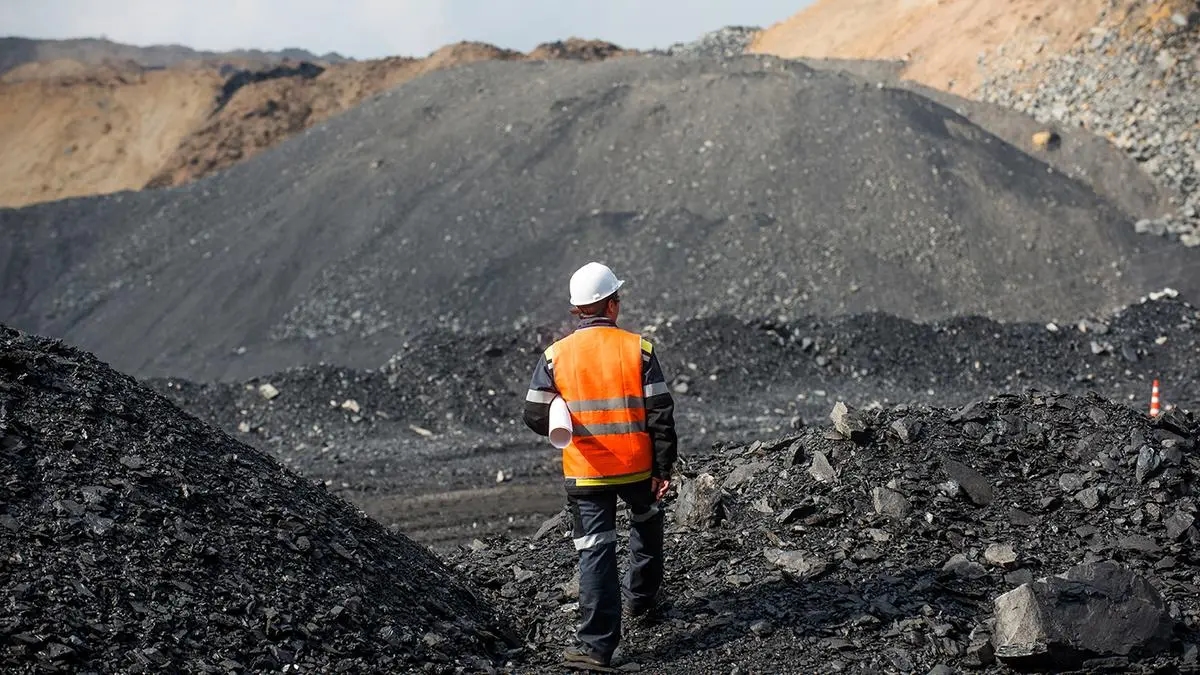


Out of 5,051 mining sites across Tamil Nadu, only 88 mines—roughly 2%—have been found to hold strong potential for ecological restoration, according to a recent study by the State Planning Commission. These high-potential mines are concentrated primarily in Ariyalur and Salem, with limestone, magnesite, and vermiculite mines leading the list.
While Ariyalur and Salem dominate the list of viable restoration sites, Tamil Nadu’s only vermiculite mine, located in Tirupattur, also made the cut. In contrast, Dindigul and Coimbatore districts showed lower restoration feasibility due to the nature of their mineral deposits.
The detailed study, titled “Identification of potential mine sites in Tamil Nadu for restoration…”, was conducted by the Tamil Nadu State Land Use Research Board in collaboration with Botanical Services, Auroville, under the leadership of Paul Blanchflower.
Among the 40 mines surveyed on-site, six were classified with high restoration potential. These include:
-
Walayar (ACC Cements)
Periyathirukonam (Dalmia)
Dholipatti (Chettinad Cements)
Maravaperungudi (Ramco)
Ottakoil (Ultratech Cements)
Alathiyur (Ramco)
Restoration work has already commenced at these locations through corporate stewardship. Another eight mines were deemed moderately restorable, while the majority—90.4%—were found to have low potential.
Key factors for assessment included soil health, water access, ecological sensitivity, and land ownership. The Alathiyur site (shut since 2018) and the Pudupalayam mine (64-acre abandoned area) were specially recommended for immediate restoration efforts.