







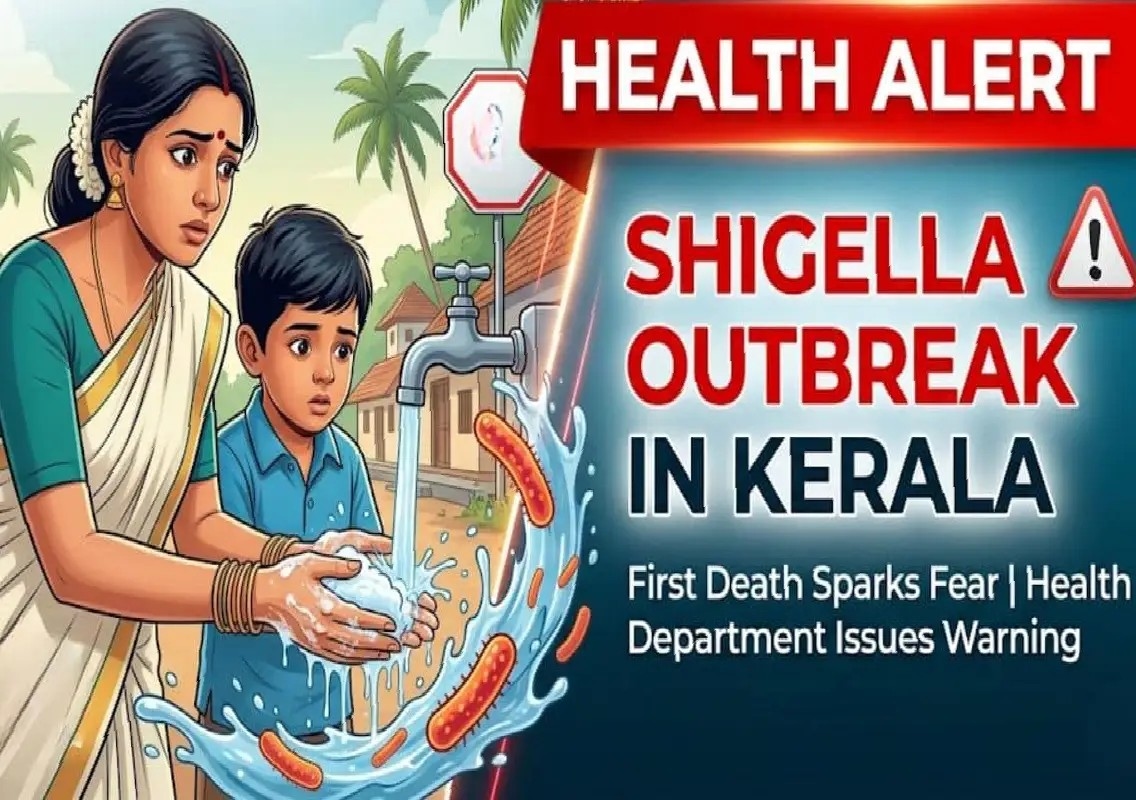


Kerala has reported one death and two additional cases of Shigella infection, prompting health authorities to strengthen surveillance and preventive measures across the state.
A four-year-old girl from Kozhikode, identified as Nila, died after contracting the bacterial infection. Officials said three children were affected by the outbreak. While a 10-year-old child has recovered and been discharged from hospital, a two-year-old child continues to receive treatment and is reported to be in stable condition.
Government steps up response
State authorities have launched precautionary measures to prevent further spread of the disease. Kerala minister T Siddique said a high-level meeting would be convened to review the situation and assess additional containment strategies.
Health officials have also issued advisories to people who may have come into contact with the affected children.
Health Minister K Muraleedharan is expected to visit the affected areas to directly monitor the response efforts and review the preparedness of local health authorities.
What is Shigella?
Shigellosis, commonly known as Shigella infection, is a highly contagious bacterial disease that affects the intestines.
The infection usually spreads through contaminated food, water, or poor hygiene practices and can cause symptoms such as diarrhoea, stomach cramps, fever and dehydration. Children are particularly vulnerable to the disease.
Cases reported in multiple districts
Officials said around 25 students are currently admitted to Sultan Bathery Taluk Hospital, though none are reported to be in serious condition. Medical teams have been deployed to assist local authorities, and students discharged from hospitals are also being monitored.
Apart from Wayanad and Kozhikode, cases have also been reported in Alappuzha and Pathanamthitta districts.
Authorities have directed the food safety department to conduct inspections at restaurants and other food establishments across the state.
Vigilance urged
The government has instructed district medical officers to closely monitor suspected cases and ensure adequate medicine stocks are available.
Opposition leaders and health experts have also called for urgent measures to improve sanitation, monitor drinking water quality and strengthen public awareness to prevent the disease from spreading further.