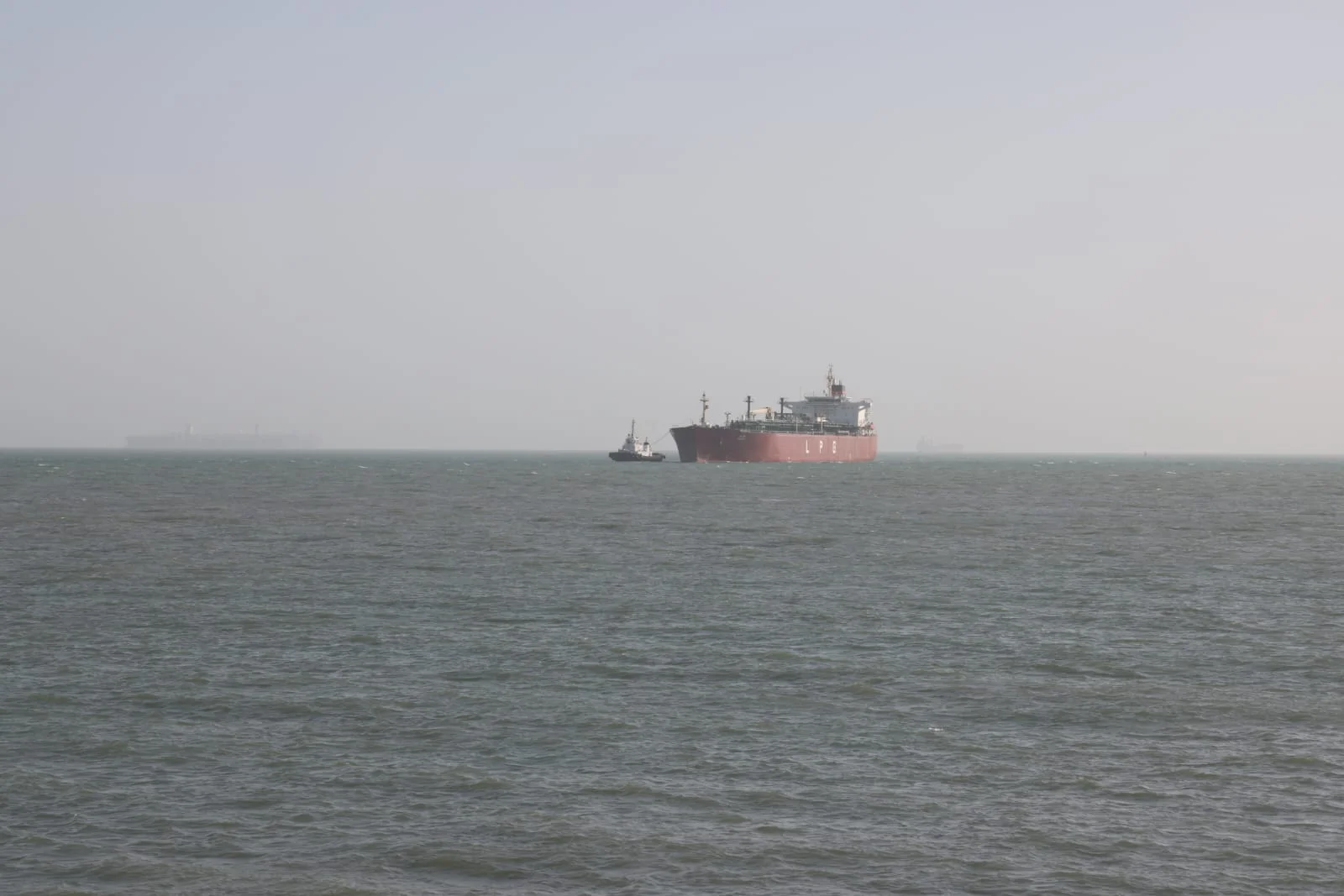
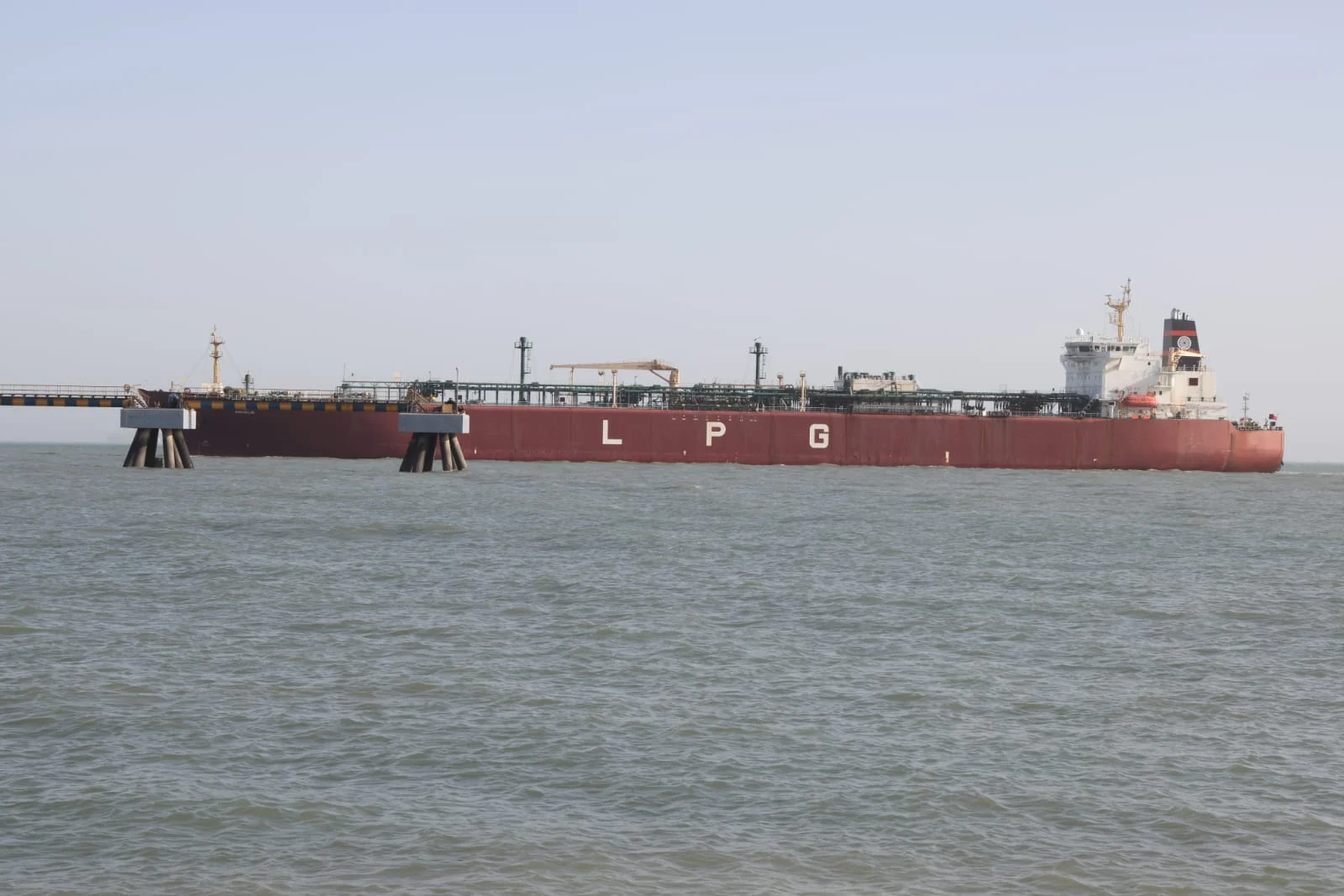
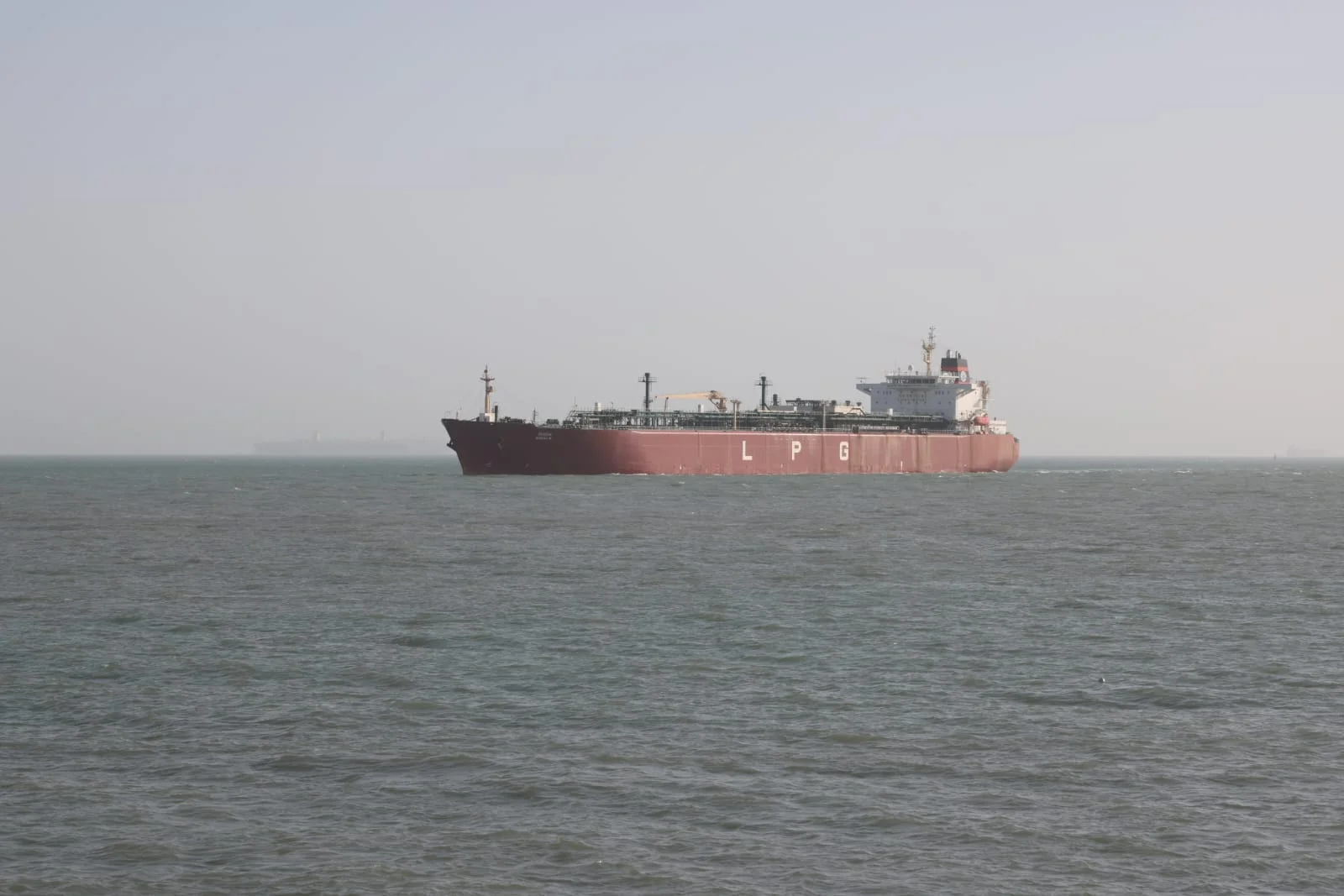
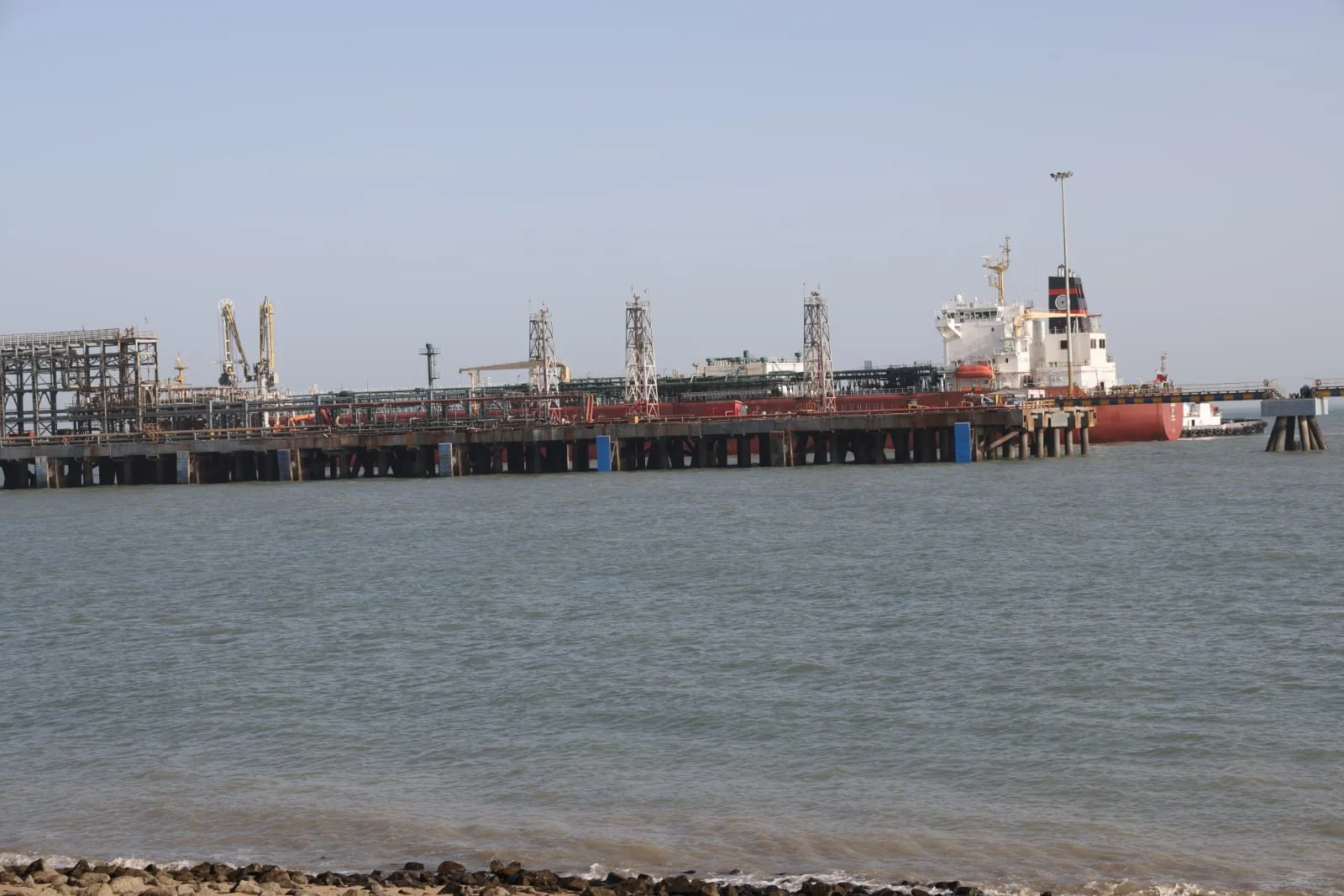
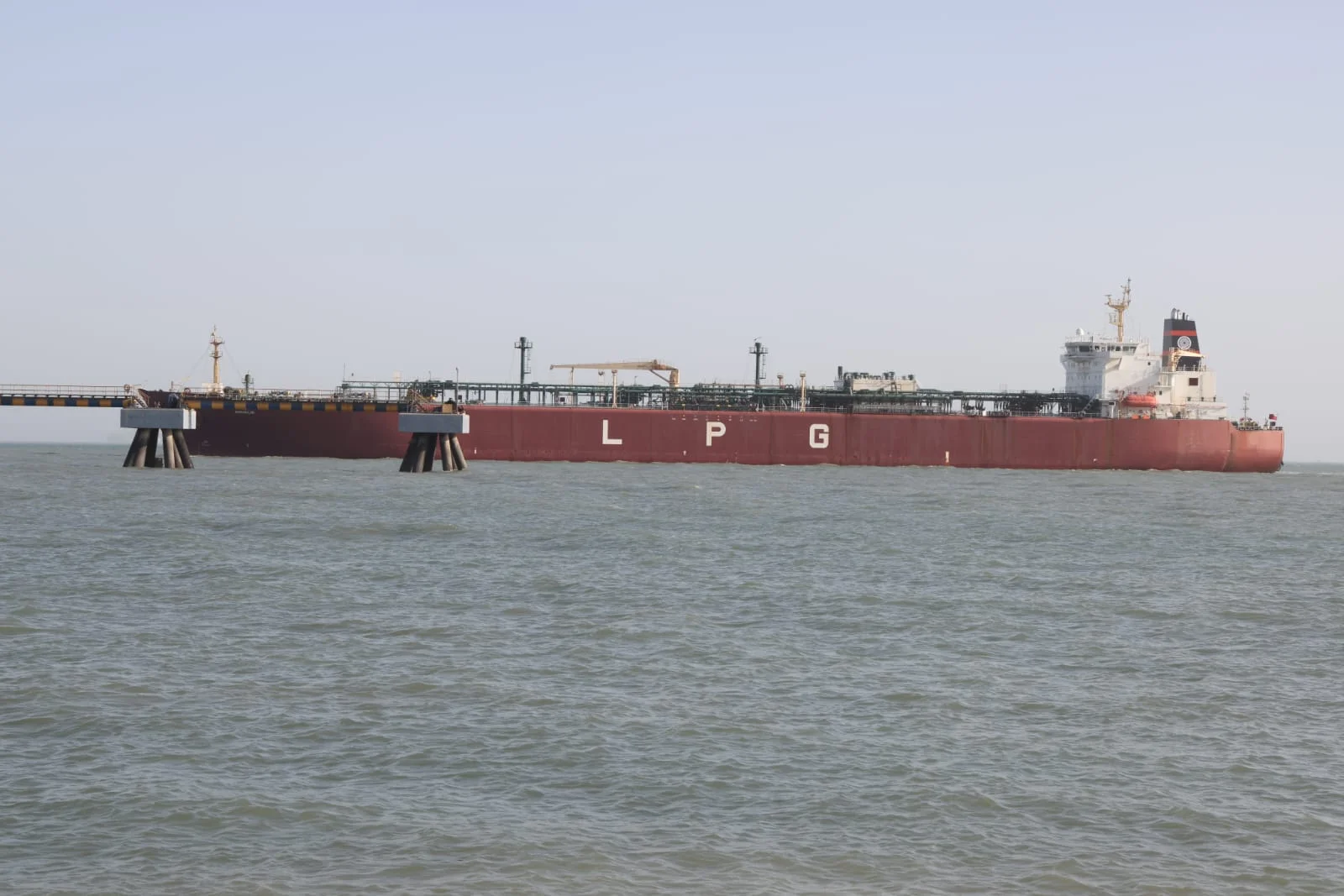
Mundra: The LPG tanker Shivalik arrived at the LPG terminal of Mundra Port on March 16, 2026, carrying a total cargo of 46,000 metric tonnes (MT) of liquefied petroleum gas (LPG) that was transported via the strategically important Strait of Hormuz.
The shipment is part of the LPG supply ordered by Indian Oil Corporation Ltd (IOCL) and is intended to meet domestic demand for cooking gas across parts of India. Officials confirmed that the cargo will be distributed between two major ports, with a portion being unloaded at Mundra while the remaining consignment will be delivered to New Mangalore Port.
The vessel’s successful arrival is considered significant amid ongoing tensions in West Asia, which have affected maritime traffic through the Strait of Hormuz in recent weeks.
Cargo distribution between two ports
According to officials familiar with the shipment, the LPG tanker is carrying 46,000 MT of liquefied petroleum gas in total. Out of this cargo, around 20,000 MT will be discharged at Mundra Port in Gujarat.
The remaining 26,000 MT of LPG will be transported further to New Mangalore Port in Karnataka for unloading and distribution. The cargo is part of Indian Oil’s supply chain aimed at ensuring adequate availability of LPG across different regions.
Once unloaded, the fuel will be processed through the port’s LPG handling infrastructure and transported to bottling plants and distribution networks serving domestic consumers.
LPG is widely used across India as a cooking fuel in households and is also utilised in several commercial and industrial sectors.
Importance of the Strait of Hormuz route
The Shivalik reached India after crossing the Strait of Hormuz, one of the world’s most critical maritime trade routes. The narrow waterway connects the Persian Gulf to the Arabian Sea and serves as a major passage for global energy shipments.
A significant portion of the world’s oil and gas exports passes through this strait every day. For India, which imports a large share of its energy needs, the route plays a crucial role in maintaining steady supplies of crude oil and liquefied petroleum gas.
In recent weeks, the Strait of Hormuz has witnessed heightened tensions due to geopolitical developments in West Asia. Concerns about potential disruptions to shipping routes had raised fears about possible delays in fuel deliveries.
Despite these challenges, the arrival of the Shivalik highlights the continued movement of energy shipments into India.
Role of Indian Oil Corporation
Indian Oil Corporation Ltd, the country’s largest oil marketing company, had placed the order for the LPG cargo transported by the Shivalik. The company plays a key role in ensuring the availability of cooking gas across the country through its extensive distribution network.
India’s LPG demand has been rising steadily due to expanding household consumption and government initiatives that promote cleaner cooking fuels.
Through programmes such as subsidised LPG connections for households, the country has significantly increased the adoption of LPG as a primary cooking fuel in both urban and rural areas.
Ensuring timely imports of LPG is therefore essential for maintaining supply stability and preventing shortages in the domestic market.
Mundra Port’s role in energy imports
Mundra Port, operated by the Adani Group, is one of India’s largest commercial ports and serves as a major hub for energy imports, including coal, crude oil and LPG.
The port has dedicated terminals designed to handle large volumes of liquefied petroleum gas and other energy cargo efficiently. Its modern infrastructure enables the quick unloading and onward transportation of fuel shipments to various parts of the country.
The arrival of LPG carriers such as Shivalik reflects the growing importance of the port in India’s energy logistics network.
Similarly, New Mangalore Port on the west coast of India plays an important role in handling petroleum products and LPG supplies destined for southern states.
Ensuring uninterrupted energy supply
Energy experts note that the timely arrival of LPG shipments is essential for maintaining a stable supply chain in India’s rapidly expanding energy market.
The country imports a significant share of its LPG requirements, particularly to meet rising household demand. Regular shipments help oil marketing companies maintain adequate stock levels across distribution centres.
With global energy routes facing uncertainty due to geopolitical tensions, the safe transit of vessels carrying fuel supplies has become an important concern for policymakers and industry stakeholders.
Conclusion
The arrival of the LPG tanker Shivalik at Mundra Port with 46,000 MT of cargo marks an important step in maintaining India’s fuel supply chain amid challenging global conditions. With part of the shipment to be delivered to New Mangalore Port, the consignment will support LPG distribution across multiple regions.
As India continues to rely on maritime routes for energy imports, the uninterrupted movement of such vessels remains vital for ensuring stable fuel availability and supporting the country’s growing demand for LPG.