







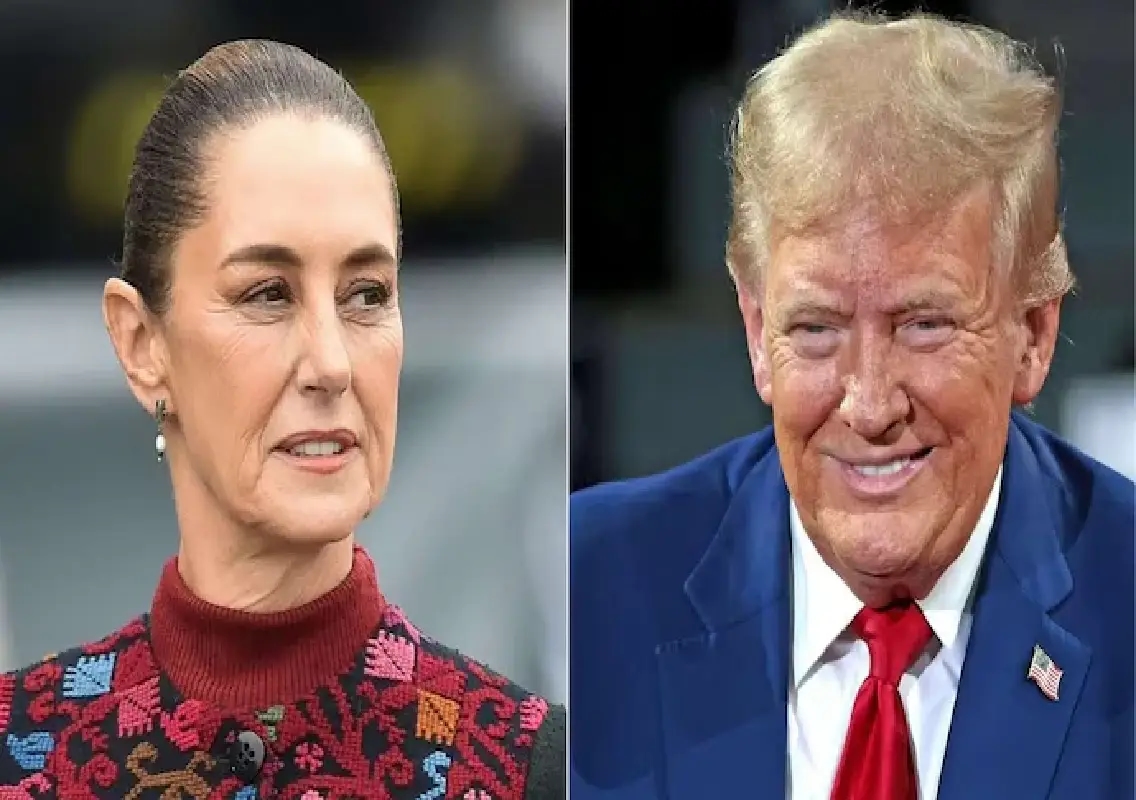


New Delhi: India faces a fresh trade challenge as Mexico’s Senate approved tariffs of up to 50% on a wide range of imports from India, China, and other Asian nations. The decision, reported by Reuters on Wednesday, comes amid a global trade war and follows the United States’ steep 50% tariffs on Indian goods. The new duties will take effect from 1 January 2026 and target products including autos, auto parts, textiles, plastics, and steel from countries without a trade deal with Mexico.
Objective behind the tariff
The Mexican government, led by President Claudia Sheinbaum, aims to boost domestic production and generate additional revenue. Analysts, however, suggest the move also seeks to appease former US President Donald Trump ahead of a US review of the US-Mexico-Canada trade agreement (USMCA), with the United States being Mexico’s largest trading partner.
According to reports, the tariffs are expected to generate $3.76 billion (around Rs 33,910 crore) in additional revenue next year. Earlier this year, Mexico had increased levies on Chinese imports, and Trump has repeatedly pressured the Sheinbaum government over trade and border issues.
Potential impact on India
India-Mexico bilateral trade reached an all-time high of $11.7 billion in 2024, with India ranking as the ninth destination for Mexican exports. India currently enjoys a substantial trade surplus with Mexico: exports stood at $8.9 billion, while imports were $2.8 billion in 2024, leaving a significant balance in India’s favour.
Key Indian exports to Mexico include motor cars, auto parts, and other passenger vehicles. With the introduction of tariffs up to 50%, these sectors are likely to face considerable pressure, potentially reducing exports next year and impacting India’s trade balance with Mexico.
Broader trade and geopolitical context
The tariff escalation follows months of US warnings against Mexico, including threats of 50% duties on Mexican steel and aluminium and an additional 25% levy over alleged failures to curb the flow of fentanyl into the United States. Earlier this week, Trump also threatened a 5% tariff, accusing Mexico of breaching a 1944 water-sharing deal that affects American farmers.
Mexico’s new tariffs are therefore seen not only as a domestic economic measure but also as part of broader geopolitical pressures in North America. Analysts say Indian exporters will need to strategise quickly to mitigate potential losses from the duties, particularly in the automotive and textiles sectors.
Conclusion
India’s trade ties with Mexico, historically positive and growing, now face a period of uncertainty. While Indian exporters may seek alternative markets or negotiate relief measures, the imposition of tariffs up to 50% represents a major challenge to the trade surplus and could affect key sectors like automobiles, auto parts, and textiles in 2026.